

Hey there! As a supplier of Wheel Hub Oil Seals, I've had my fair share of experiences and insights into the special requirements these little components have. In this blog, I'm gonna break down what makes electric vehicle (EV) wheel hub oil seals so unique.
First off, let's understand what a wheel hub oil seal does. A Wheel Hub Oil Seal is a crucial part of a vehicle's wheel assembly. Its main job is to keep the lubricating oil inside the wheel hub and prevent dirt, water, and other contaminants from getting in. This helps in reducing friction, ensuring smooth rotation of the wheel, and extending the lifespan of the wheel bearings.
Now, when it comes to electric vehicles, things get a bit more complicated. EVs have a different set of operating conditions compared to traditional internal combustion engine (ICE) vehicles. These differences bring about some special requirements for their wheel hub oil seals.
Temperature Resistance
One of the key differences between EVs and ICE vehicles is the heat generation. ICE vehicles produce a lot of heat from the engine, and the heat distribution is relatively well - understood. However, in EVs, the heat is generated mainly from the electric motor, power electronics, and battery. The wheel hub area can also experience temperature fluctuations due to regenerative braking.
EV wheel hub oil seals need to be able to withstand a wider range of temperatures. They should not harden or become brittle at low temperatures, as this could lead to cracks and leakage. At high temperatures, they must maintain their elasticity and sealing properties. For example, in a hot summer day, when the EV is driven for a long time, the wheel hub can get quite warm. The oil seal should still be able to keep the oil in and the dirt out.
Chemical Compatibility
EVs use different types of lubricants compared to ICE vehicles. Some EVs use synthetic lubricants that have different chemical properties. The wheel hub oil seals must be chemically compatible with these lubricants. If there is a chemical reaction between the seal material and the lubricant, it can cause the seal to swell, shrink, or degrade over time. This can lead to oil leakage and ultimately, damage to the wheel bearings.
High - Speed Performance
Electric vehicles are known for their quick acceleration and high - speed capabilities. The wheel hub oil seals need to be able to perform well at high rotational speeds. At high speeds, there is increased centrifugal force acting on the oil seal. This can put extra stress on the seal lips, and they need to be designed to maintain a proper seal under these conditions.
The seal material should have good wear resistance to withstand the constant rubbing against the shaft at high speeds. Any wear on the seal lips can lead to oil leakage, which is a big no - no in an EV. Also, the design of the oil seal needs to be aerodynamic to reduce drag and prevent excessive heat generation due to air resistance at high speeds.
Noise and Vibration Dampening
EVs are generally quieter than ICE vehicles. However, any noise or vibration coming from the wheel hub can be quite noticeable. The wheel hub oil seals can play a role in dampening noise and vibration. They should be designed in such a way that they can absorb some of the vibrations generated by the rotating wheel and reduce the transmission of noise to the cabin.
This can be achieved through the use of special materials or by incorporating additional features in the seal design. For example, some oil seals have a rubber layer that acts as a vibration absorber.
Durability and Longevity
EVs are expected to have a long lifespan, and the wheel hub oil seals need to keep up. They should be able to last for a long time without needing frequent replacement. This requires high - quality materials and a well - engineered design.
The seal should be able to resist aging, oxidation, and environmental factors such as moisture and UV radiation. A durable oil seal not only reduces maintenance costs but also improves the overall reliability of the EV.
Special Designs for Different EV Types
There are different types of electric vehicles, such as passenger cars, commercial trucks, and trailers. Each type has its own specific requirements for wheel hub oil seals.
For Trailer Hub Oil Seal, the seals need to be able to withstand heavy loads and long - distance travel. Trailers often carry a large amount of cargo, which puts extra stress on the wheel bearings and the oil seals. The seals need to be designed to handle these heavy loads without failing.
On the other hand, Outer Hub Oil Seal for passenger EVs may have different requirements. They need to be more focused on providing a quiet and smooth ride, while still maintaining the sealing function.
Meeting the Requirements
As a Wheel Hub Oil Seal supplier, we understand these special requirements very well. We use advanced materials and manufacturing processes to ensure that our oil seals meet the needs of electric vehicles.
We conduct extensive testing on our seals to make sure they can withstand the wide range of temperatures, chemical environments, and high - speed conditions. Our R & D team is constantly working on improving the design and performance of our oil seals to keep up with the evolving EV technology.
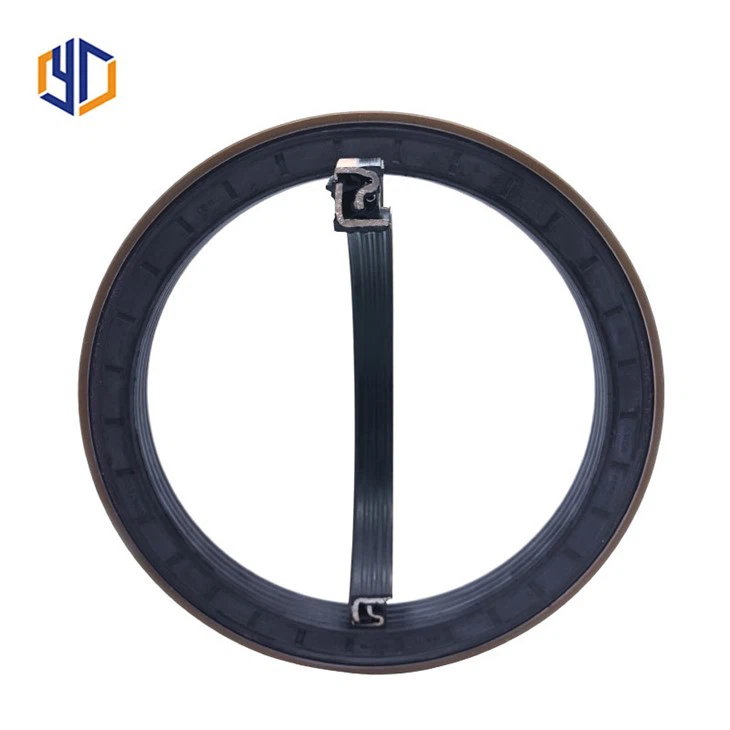

If you're in the market for high - quality wheel hub oil seals for your electric vehicles, we'd love to have a chat with you. Whether you're a vehicle manufacturer, a repair shop, or a distributor, we can provide you with the right solutions for your needs. Contact us for a free consultation and let's discuss how we can work together to keep your EVs running smoothly.
References
- "Automotive Sealing Technology" by some industry experts
- Technical reports from leading EV manufacturers
- Research papers on materials for automotive seals