

As a supplier of Outer Hub Oil Seals, I've been frequently asked about the maximum rotational speed these seals can handle. This question is crucial as it directly impacts the performance and reliability of various mechanical systems, especially in automotive applications. In this blog, I'll delve into the factors that determine the maximum rotational speed of an Outer Hub Oil Seal, and share some insights based on our experience in the industry.
Understanding Outer Hub Oil Seals
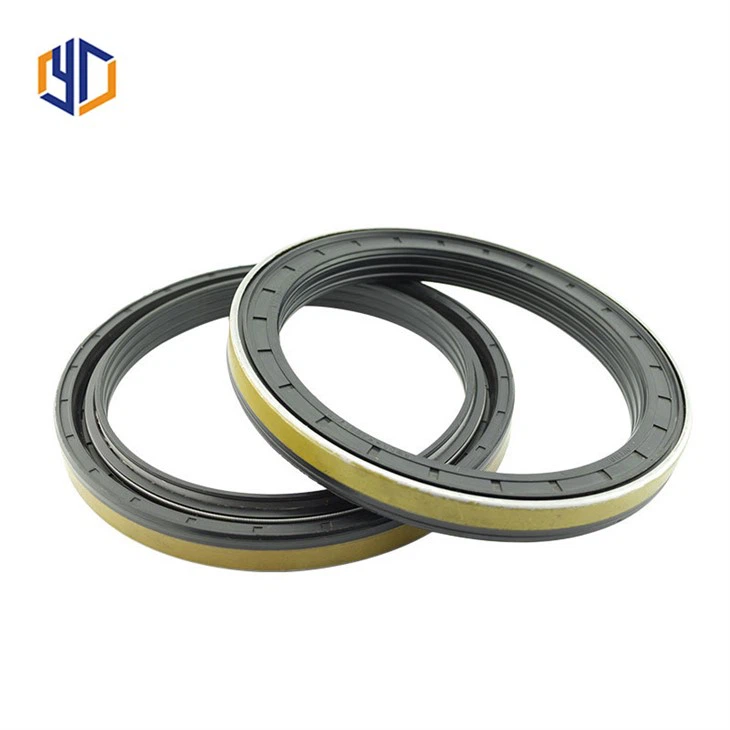
Before we discuss the maximum rotational speed, let's briefly understand what an Outer Hub Oil Seal is. Outer Hub Oil Seals are essential components in wheel hub assemblies, where they prevent the leakage of lubricating oil and the ingress of contaminants such as dirt, water, and dust. They play a vital role in maintaining the integrity and performance of the wheel hub, ensuring smooth and safe operation of vehicles.
You can find a wide range of Outer Hub Oil Seal options on our website, which are designed to meet the specific requirements of different vehicles and applications.
Factors Affecting the Maximum Rotational Speed
The maximum rotational speed that an Outer Hub Oil Seal can handle is influenced by several factors, including the design, materials, and operating conditions of the seal. Let's take a closer look at each of these factors:

Design
The design of an Outer Hub Oil Seal plays a significant role in determining its maximum rotational speed. A well-designed seal should have a proper lip geometry that can maintain a tight seal against the shaft while minimizing friction and heat generation. The lip of the seal should be able to follow the shaft's movements without excessive wear or deformation, even at high speeds.
Additionally, the seal's housing design also affects its performance at high speeds. The housing should provide adequate support and alignment for the seal, preventing it from shifting or vibrating during operation. A properly designed housing can also help to dissipate heat and reduce the risk of seal failure.
Materials
The materials used in the construction of an Outer Hub Oil Seal are another critical factor that affects its maximum rotational speed. The seal lip is typically made of elastomeric materials such as nitrile rubber (NBR), fluorocarbon rubber (FKM), or silicone rubber (VMQ), each with its own unique properties and performance characteristics.
Nitrile rubber is a popular choice for Outer Hub Oil Seals due to its excellent resistance to oil, fuel, and other automotive fluids. It also has good mechanical properties, including high tensile strength and abrasion resistance. However, nitrile rubber has a relatively low temperature resistance, which limits its use in high-speed applications.
Fluorocarbon rubber, on the other hand, offers superior resistance to high temperatures, chemicals, and oxidation. It can withstand temperatures up to 200°C (392°F) or higher, making it suitable for use in high-speed and high-temperature applications. However, fluorocarbon rubber is more expensive than nitrile rubber and has a relatively low elasticity, which can make it more difficult to install.
Silicone rubber is another option for Outer Hub Oil Seals, offering excellent flexibility, low compression set, and good resistance to high and low temperatures. It is also resistant to ozone and weathering, making it suitable for use in outdoor applications. However, silicone rubber has a relatively low resistance to oil and fuel, which limits its use in automotive applications.
In addition to the seal lip material, the seal housing is typically made of metal or plastic. Metal housings offer excellent strength and durability, while plastic housings are lightweight and corrosion-resistant. The choice of housing material depends on the specific requirements of the application, including the operating temperature, pressure, and environment.
Operating Conditions
The operating conditions of an Outer Hub Oil Seal also have a significant impact on its maximum rotational speed. Factors such as temperature, pressure, and lubrication can all affect the performance and lifespan of the seal.
Temperature is one of the most critical operating conditions that affect the performance of an Outer Hub Oil Seal. High temperatures can cause the seal material to degrade, leading to increased friction, wear, and leakage. On the other hand, low temperatures can cause the seal material to become brittle, reducing its flexibility and sealing performance. Therefore, it is essential to choose a seal material that can withstand the operating temperature range of the application.
Pressure is another important operating condition that affects the performance of an Outer Hub Oil Seal. High pressures can cause the seal lip to deform or extrude, leading to leakage. Therefore, it is important to choose a seal design and material that can withstand the operating pressure of the application.
Lubrication is also crucial for the performance and lifespan of an Outer Hub Oil Seal. Proper lubrication can reduce friction and wear, prevent the seal from drying out, and extend its service life. The type and amount of lubrication required depend on the specific application and the seal material.
Determining the Maximum Rotational Speed
Determining the maximum rotational speed of an Outer Hub Oil Seal requires a combination of theoretical calculations and empirical testing. The theoretical calculations involve analyzing the design and materials of the seal, as well as the operating conditions of the application, to estimate the maximum speed that the seal can handle.
However, theoretical calculations alone are not sufficient to determine the maximum rotational speed of an Outer Hub Oil Seal. Empirical testing is also necessary to validate the theoretical calculations and to ensure that the seal can perform reliably under actual operating conditions.
During empirical testing, the seal is installed in a test rig and subjected to various rotational speeds, temperatures, pressures, and lubrication conditions. The performance of the seal is then monitored using various sensors and instruments, such as temperature sensors, pressure sensors, and leakage detectors. The test results are used to determine the maximum rotational speed that the seal can handle without experiencing excessive wear, leakage, or other forms of failure.
Applications and Examples
Outer Hub Oil Seals are used in a wide range of applications, including automotive, industrial, and aerospace. In the automotive industry, Outer Hub Oil Seals are used in wheel hub assemblies to prevent the leakage of lubricating oil and the ingress of contaminants. They are also used in other automotive components, such as transmissions, engines, and differentials.
For example, Hub Seals for Toyota Vehicles are designed to meet the specific requirements of Toyota vehicles, providing reliable sealing performance and long service life. These seals are available in a variety of sizes and designs to fit different Toyota models and applications.
In the industrial industry, Outer Hub Oil Seals are used in various types of machinery and equipment, such as pumps, motors, and gearboxes. They are also used in conveyor systems, mining equipment, and agricultural machinery.
In the aerospace industry, Outer Hub Oil Seals are used in aircraft engines, landing gear, and other critical components. They are designed to withstand high temperatures, pressures, and speeds, providing reliable sealing performance in extreme operating conditions.
Conclusion
In conclusion, the maximum rotational speed that an Outer Hub Oil Seal can handle is influenced by several factors, including the design, materials, and operating conditions of the seal. Determining the maximum rotational speed requires a combination of theoretical calculations and empirical testing to ensure that the seal can perform reliably under actual operating conditions.
As a supplier of Outer Hub Oil Seals, we have extensive experience in designing and manufacturing high-quality seals that can meet the specific requirements of different applications. Our Wheel Hub Oil Seal products are available in a wide range of sizes and designs, and we can also provide custom solutions to meet your unique needs.
If you have any questions or need further information about our Outer Hub Oil Seals, please feel free to contact us. We would be happy to assist you with your procurement needs and to provide you with the best possible solutions for your applications.
References
- "Sealing Technology Handbook" by John H. Birk, et al.
- "Automotive Sealing Systems" by Klaus Heisler, et al.
- "Industrial Sealing Technology" by John P. Blair, et al.