

Hey there! As a supplier of TC NBR Oil Seals, I often get asked about the elasticity of these seals. So, I thought I'd take a moment to break it down and explain what it means and why it's so important.
Let's start with the basics. What exactly is elasticity when it comes to a TC NBR Oil Seal? In simple terms, elasticity refers to the ability of a material to return to its original shape after being stretched or deformed. For a TC NBR Oil Seal, this is crucial because it needs to fit snugly around the shaft or housing it's designed to seal.

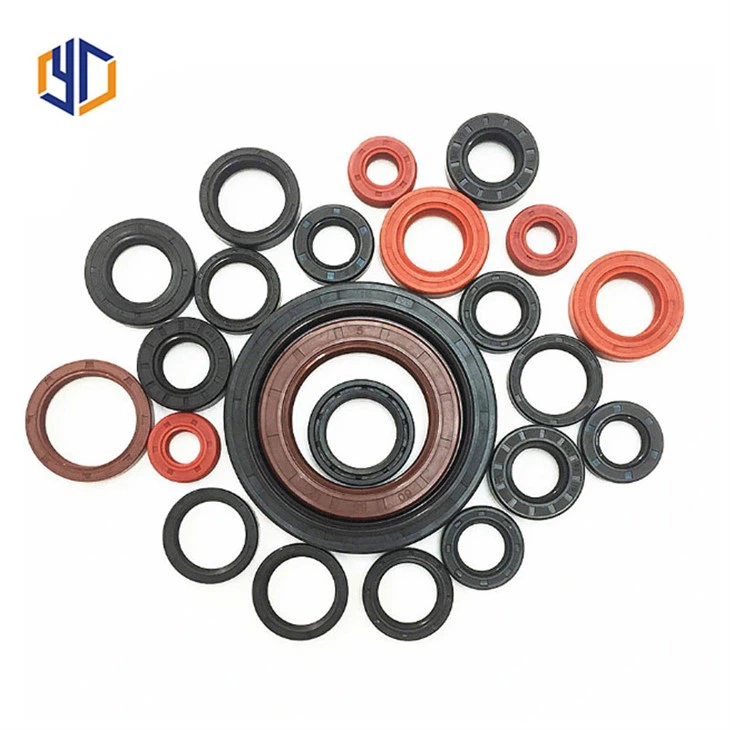
The "TC" in TC NBR Oil Seal stands for "rubber-covered outside diameter with a spring-loaded lip." The NBR part refers to Nitrile Butadiene Rubber, which is a synthetic rubber known for its excellent resistance to oil, fuel, and other fluids. This combination of a rubber-covered design and NBR material gives the seal its unique elastic properties.
When a TC NBR Oil Seal is installed, it needs to be able to stretch slightly to fit over the shaft or into the housing. Once in place, its elasticity allows it to conform to the shape of the mating surface, creating a tight seal. This is important because it prevents leaks of oil, grease, or other fluids that could cause damage to the machinery or equipment.
For example, in automotive applications, TC for Automotive Seals play a vital role. The engine and transmission have numerous moving parts that require lubrication. If the oil seals don't have the right elasticity, they won't be able to maintain a proper seal, leading to oil leaks. This can not only cause a mess but also reduce the efficiency of the engine and potentially lead to costly repairs.
The elasticity of a TC NBR Oil Seal also affects its durability. A seal with good elasticity can withstand repeated stretching and compression without losing its shape or sealing ability. This means it can last longer in harsh operating conditions, such as high temperatures, high pressures, or exposure to chemicals.
Another factor that influences the elasticity of a TC NBR Oil Seal is its size. Standard Size TC Oil Seal are designed to meet specific industry standards, which ensure that they have the appropriate elastic properties for their intended applications. However, custom-sized seals may require careful consideration of the material and manufacturing process to achieve the right level of elasticity.
Manufacturers use various techniques to control the elasticity of TC NBR Oil Seals. One common method is to adjust the formulation of the NBR rubber. By changing the ratio of different chemicals in the rubber compound, they can fine-tune its hardness, flexibility, and elastic modulus. This allows them to create seals that are tailored to the specific requirements of different applications.
In addition to the rubber formulation, the manufacturing process also plays a role in determining the elasticity of the seal. For example, the way the seal is molded or extruded can affect its internal structure and, therefore, its elastic properties. High-quality manufacturing processes ensure that the seals are consistent in terms of their elasticity and other performance characteristics.
Now, you might be wondering how to test the elasticity of a TC NBR Oil Seal. There are several methods available, including tensile testing and compression testing. Tensile testing involves pulling the seal until it breaks and measuring the force required to do so. Compression testing, on the other hand, involves compressing the seal between two plates and measuring its deformation and recovery.
These tests can provide valuable information about the seal's elastic properties, such as its ultimate tensile strength, elongation at break, and compression set. By analyzing these results, manufacturers can ensure that their seals meet the required standards and specifications.
As a supplier of TC NBR Oil Seals, I understand the importance of providing high-quality products with the right elasticity. That's why we work closely with our customers to understand their specific needs and recommend the most suitable seals for their applications. Whether you're in the automotive, industrial, or any other sector, we have the expertise and experience to help you find the perfect seal.
If you're looking for a reliable supplier of TC NBR Oil Seals, don't hesitate to get in touch. We offer a wide range of standard and custom-sized seals, all of which are manufactured to the highest quality standards. Our team of experts is always ready to assist you with any questions or concerns you may have.
In conclusion, the elasticity of a TC NBR Oil Seal is a critical property that determines its performance and durability. It allows the seal to fit snugly, create a tight seal, and withstand harsh operating conditions. By understanding the factors that influence elasticity and using high-quality manufacturing processes, we can provide our customers with seals that meet their exact requirements. So, if you're in the market for TC NBR Oil Seals, give us a call and let's start a conversation about your needs.
References
- "Sealing Technology Handbook" by John S. Dickson
- "Rubber Technology: Compounding, Testing, and Applications" by James F. Carley