

Hey there, fellow fleet managers, DIY mechanics, and anyone who’s ever stared under a trailer or truck and wondered how those tiny seals keep everything running smoothly. I’m [Your Role] over at [Your Company Name], and let’s be real—hub seals don’t get enough credit. They’re the unsung heroes that keep lubricant in, water and dirt out, and if they fail, you’re looking at way more than just a messy axle. Today, I wanna break down exactly what environmental factors can mess these little guys up, because I’ve seen firsthand how the wrong conditions turn a simple seal replacement into a roadside disaster or a costly shop bill.
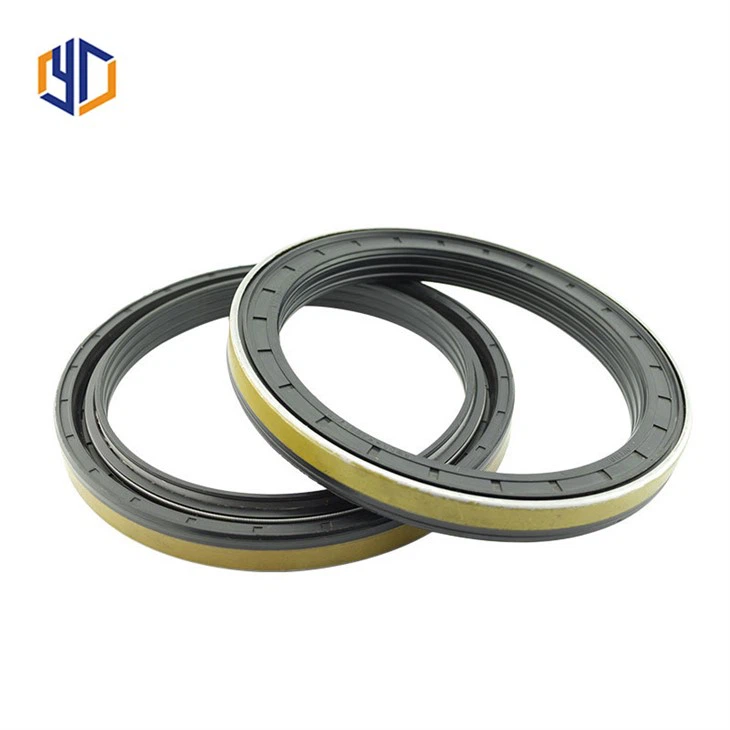
First off, let’s quick-set the stage: hub seals are those rubber-or-silicone rings that fit snugly in the hub of a trailer, truck, or car (we even make ones for Toyota vehicles, which you can check out [Hub Seals for Toyota Vehicles] if that’s your ride) that create a barrier between the moving axle parts and the outside world. Their whole job is to keep gear grease or oil where it needs to be, so contamination doesn’t grind everything to a halt. But the environment? It’s always throwing curveballs, and some of those are straight-up seal killers. Let’s start with the big one I see nonstop: water and moisture.
Not just a little rain, either—think about it: if you’re towing a trailer through a flooded field, or a truck that sits outdoors 24/7 in a rainy climate, water’s gonna get into that hub. The problem is, most hub seals aren’t built to handle constant submersion. Sure, they can handle splashes, but prolonged exposure? Water seeps past the seal’s lip, mixes with the grease inside, and turns that protective lubricant into a sludgy, ineffective goop. I had a customer last summer who pulled his boat trailer through a lake launch ramp every weekend—his trailer hub oil seal (link: [Trailer Hub Oil Seal]) gave out in three months, when it should’ve lasted a year. The water didn’t just mix with the grease; it caused rust on the axle shaft, which scratched the seal’s mating surface, making the leak even worse. That’s a domino effect right there, all from too much exposure to water.
Next up, road debris and abrasive dirt. This one’s huge for trucks and commercial vehicles that drive on gravel, dirt roads, or even construction sites. Think about all the tiny rocks, sand, and dust that kick up from the tires—they’re like little sandblasters hitting your wheels. When they get past the outer hub oil seal (link: [Outer Hub Oil Seal]), they settle in the gap between the seal lip and the axle shaft. Over time, these abrasive particles wear down the soft rubber of the seal, or scratch the metal shaft, creating tiny gaps where more dirt can get in. I’ve seen truck wheel hub repair seals (link: [Truck Wheel Hub Repair Seals]) that looked fine on the outside but were toast because of internal scratches from sand. And it’s not just big debris—microscopic dust is just as bad, because it gets in easily and works its way into the seal’s materials over thousands of miles. You might not notice it at first, but six months down the line, your seal’s leaking and your bearings are shot.
Extreme temperatures are another environmental factor that people sleep on. I’m talking both scorching heat and freezing cold. Let’s start with heat: if you’re driving a truck through the desert, or a trailer that’s sitting in direct sun all day, the temperature inside the hub can skyrocket. The rubber in the seal gets soft and brittle? Wait, no—too much heat makes it swell, and the seal lip loses its shape. It can’t press tight against the axle shaft anymore, so leaks start. On the flip side, freezing cold—if you’re in a place that gets way below zero, the seal’s rubber hardens up, becomes inflexible. When the axle starts spinning, that stiff seal doesn’t move with the shaft; it tears or develops cracks. I remember a customer in Minnesota last winter who replaced his wheel hub oil seal (link: [Wheel Hub Oil Seal]) right before a polar vortex—three weeks later, he was back because the cold made his new seal crack. He said he didn’t think about how temp changes affect the seal’s material, just that he needed a replacement for a leak.
Wait, let’s not forget about chemical exposure. What kind of chemicals? Road salt, for one—winter drivers know this all too well. Salt on the roads melts ice, but when it splashes up into the hubs, it’s corrosive. It eats away at the rubber compound in the seal, making it crack or degrade faster than normal. Then there’s things like oil, gasoline, or hydraulic fluid leaks from other parts of the vehicle. If a nearby line breaks and fluid drips onto the seal, those petroleum-based products can break down the rubber, causing it to swell or lose its elasticity. I once had a trucker whose hydraulic line sprung a leak right above his front hub—by the time he got to a shop, his seal was swollen and useless, even though it was only a few weeks old. Chemicals are sneaky because you might not even see them getting on the seal until it’s too late.
Now, let’s address something I get asked all the time: is it just heavy-duty stuff? No, even passenger cars deal with these issues. A Toyota Corolla driving through a salt-covered road in Ohio in winter? Same risk as a semi on a gravel road in Texas. The hub seals are built for specific conditions, so if you’re putting yours in a harsher environment than it’s designed for, you’re gonna have problems.
But here’s the good news—you don’t have to just sit back and let the environment ruin your seals. Regular maintenance helps a ton. Checking your hubs every few months, cleaning out old grease (while you’re at it, make sure you’re using the right grease for your vehicle—cheap grease can actually make seals degrade faster too), and wiping down the outer seal to get rid of debris goes a long way. And when you do need replacements, make sure you’re getting ones that match your use case. Like, if you’re in a super rainy climate, maybe go for a seal with better water resistance. If you drive a Toyota, grab ones made specifically for Toyota vehicles ([Hub Seals for Toyota Vehicles]) instead of a universal part—they fit better and last longer. If you need trailer-specific seals, [Trailer Hub Oil Seal] options are tailored for that constant towing and splash exposure. For heavy trucks, [Truck Wheel Hub Repair Seals] are built to handle more abrasion and weight.
At the end of the day, hub seals are simple parts, but they’re super dependent on their surroundings. The environment doesn’t have to be a villain—you just have to be aware of the factors that can mess with your seal, and take steps to protect it. If you’re not sure what kind of seal you need, or you’ve been dealing with recurring leaks, reach out to talk through your needs. We’re here to help you find the right seal for your vehicle and your driving conditions, no matter if you’re a weekend camper with a trailer or a full-time fleet operator.

References:
- Society of Automotive Engineers (SAE). (2021). Performance Standards for Wheel Hub Seals in Harsh Operating Environments. SAE International.
- Rubber & Plastics News. (2022). The Effects of Environmental Factors on Elastomeric Seal Lifespan. Crain Communications.
- National Highway Traffic Safety Administration (NHTSA). (2020). Vehicle Maintenance Guidelines for Wheel Bearings and Seals. U.S. Department of Transportation.