

Hey there! As a supplier of Trailer Hub Oil Seals, I've seen my fair share of issues with these little but crucial components. In this blog, I'll walk you through how to troubleshoot trailer hub oil seal problems. Let's dive right in!
Understanding the Basics of Trailer Hub Oil Seals
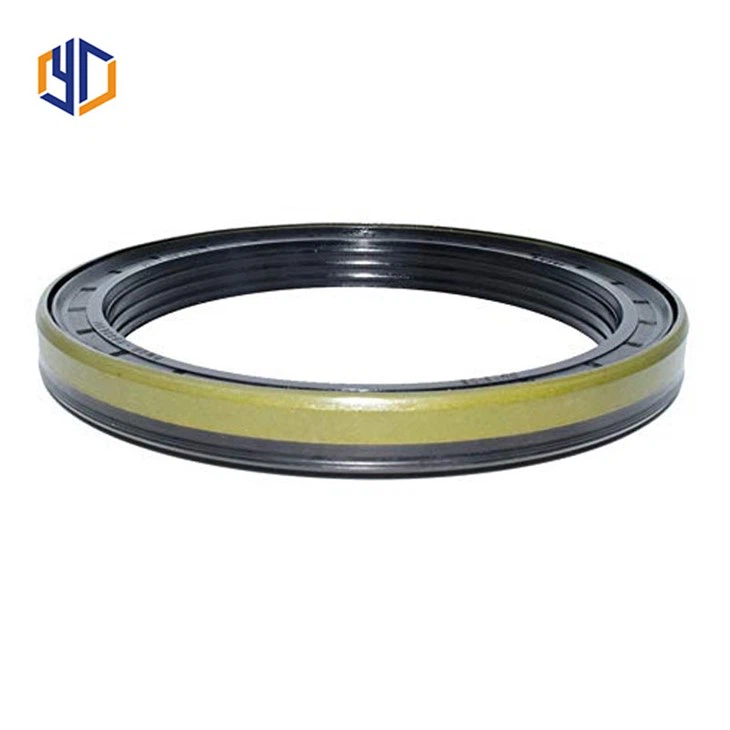
First off, what exactly is a Trailer Hub Oil Seal? Well, it's a key part of your trailer's wheel hub assembly. Its main job is to keep the lubricating oil inside the hub and prevent dirt, water, and other contaminants from getting in. You can find more info about Trailer Hub Oil Seal on our website.
There are different types of seals, like the Outer Hub Oil Seal and Wheel Hub Oil Seal. Each has its own specific function and location within the hub assembly.
Signs of a Trailer Hub Oil Seal Problem
So, how do you know if there's an issue with your trailer hub oil seal? Here are some common signs to look out for:
Oil Leakage
One of the most obvious signs is oil leaking from the wheel hub. You might notice oil stains on the ground where your trailer is parked or on the wheel itself. This is a clear indication that the seal is not doing its job properly.
Excessive Heat
If you feel that the wheel hub is unusually hot after a short drive, it could be due to a faulty oil seal. Without proper lubrication, the components in the hub can rub against each other, generating heat.
Noise
A grinding or whining noise coming from the wheel area can also be a sign of a problem. This could be because the seal has failed, allowing dirt and debris to enter the hub and damage the bearings.
Uneven Tire Wear
When the hub oil seal is bad, it can affect the performance of the wheel bearings. This, in turn, can lead to uneven tire wear. If you notice that your tires are wearing out faster on one side or have an abnormal tread pattern, it's worth checking the oil seal.
Troubleshooting Steps
Now that you know the signs, let's go through the steps to troubleshoot a trailer hub oil seal problem.
Step 1: Visual Inspection
The first thing you should do is a visual inspection of the wheel hub. Look for any signs of oil leakage, such as oil stains or wetness around the hub. Check the condition of the seal itself. Look for cracks, tears, or signs of damage. If the seal looks worn out or damaged, it's likely the cause of the problem.
Step 2: Check the Hub Assembly
Next, you need to check the entire hub assembly. Make sure all the bolts are tight and there are no loose parts. Inspect the bearings for any signs of wear or damage. If the bearings are damaged, they can put extra stress on the oil seal, causing it to fail.
Step 3: Test the Seal
To test the seal, you can try rotating the wheel by hand. If you feel any resistance or hear a grinding noise, it could be a sign that the seal is not working properly. You can also use a seal tester, which is a tool that can measure the pressure and integrity of the seal.
Step 4: Replace the Seal
If you've determined that the oil seal is the problem, it's time to replace it. Make sure you choose the right seal for your trailer. Refer to your trailer's manual or consult with a professional if you're not sure which seal to use.
To replace the seal, you'll need to remove the wheel, the hubcap, and the cotter pin. Then, use a seal puller to remove the old seal. Clean the hub thoroughly before installing the new seal. Make sure to install the new seal correctly, following the manufacturer's instructions.
Preventive Maintenance
Preventing trailer hub oil seal problems is always better than dealing with them after they occur. Here are some tips for preventive maintenance:

Regular Inspections
Make it a habit to inspect your trailer's wheel hubs regularly. Check for any signs of oil leakage, damage, or wear. This can help you catch potential problems early and avoid costly repairs.
Lubrication
Proper lubrication is key to the longevity of your oil seals and bearings. Make sure to use the right type of lubricant and follow the recommended lubrication schedule.
Keep the Hubs Clean
Keep the wheel hubs clean to prevent dirt and debris from entering. Wash your trailer regularly, especially after driving on muddy or dusty roads.
Replace Seals at Regular Intervals
Even if you don't notice any problems, it's a good idea to replace the oil seals at regular intervals. This can help ensure the continued performance of your trailer's wheel hub assembly.
Conclusion
Troubleshooting a trailer hub oil seal problem might seem daunting at first, but with the right knowledge and tools, it's a task that you can handle. By knowing the signs of a problem and following the troubleshooting steps, you can keep your trailer running smoothly and avoid costly repairs.
If you're in the market for a new Trailer Hub Oil Seal, Trailer Hub Oil Seal is here to help. We offer high-quality seals that are designed to last. If you have any questions or need help choosing the right seal for your trailer, don't hesitate to contact us for a purchase negotiation. We're always happy to assist you!
References
- Trailer maintenance manuals
- Industry best practices for wheel hub assembly maintenance