

Hey there! I'm a supplier of Spot TC Oil Seals, and I know firsthand how crucial it is to transport these little guys safely. Spot TC Oil Seals are used in a wide range of applications, from automotive engines to industrial machinery, and any damage during transit can lead to big problems down the line. So, let's dive into how you can ensure these seals reach their destination in top - notch condition.
Understanding Spot TC Oil Seals
Before we talk about transportation, it's important to understand what Spot TC Oil Seals are. These seals are designed to prevent the leakage of fluids, like oil or grease, in various mechanical systems. They're made from high - quality materials that can withstand different temperatures, pressures, and chemical environments.
There are different types of Spot TC Oil Seals, such as Standard Size TC Oil Seal, TC NBR Oil Seal, and TC for Automotive Seals. Each type has its own unique features and is used in specific applications. For example, TC NBR Oil Seals are made from nitrile butadiene rubber (NBR), which is known for its excellent resistance to oil and fuel, making them a popular choice for automotive applications.
Pre - transport Preparation
The first step in safe transportation is proper preparation. Here's what you need to do:
Cleaning and Inspection
Before packing the seals, make sure they are clean. Any dirt, debris, or contaminants on the seals can cause damage during transportation or when they're installed. Use a clean, lint - free cloth to wipe the seals gently. Also, conduct a thorough inspection. Look for any signs of damage, such as cuts, tears, or deformities. If you find any defective seals, set them aside and don't include them in the shipment.
Packaging
The right packaging is key to protecting Spot TC Oil Seals during transit. Here are some packaging tips:

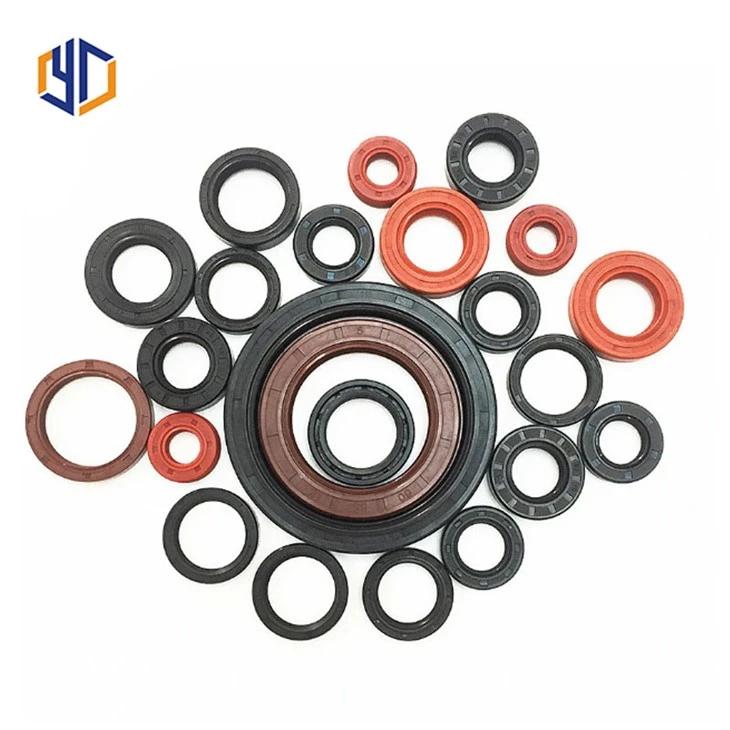
- Individual Wrapping: Wrap each seal in a soft, protective material, like plastic film or bubble wrap. This helps prevent scratches and minor impacts.
- Group Packaging: After individual wrapping, place the seals in a suitable container. You can use small plastic bags or cardboard boxes. Make sure the container is the right size to avoid excessive movement inside. If there's too much space, the seals can bounce around and get damaged.
- Cushioning: Add some cushioning material, such as foam or shredded paper, to the container. This provides an extra layer of protection against shocks and vibrations.
Choosing the Right Shipping Method
The shipping method you choose can have a big impact on the safety of your Spot TC Oil Seals. Here are some options to consider:
Ground Shipping
Ground shipping is a popular choice for many suppliers. It's generally more cost - effective than air shipping, and it can be a reliable option if you're shipping within a reasonable distance. However, there are some things to keep in mind:
- Transport Vehicle: Make sure the transport vehicle is clean and dry. Any moisture or dirt in the vehicle can damage the seals.
- Route Planning: Plan the route carefully to avoid rough roads or areas with a high risk of traffic accidents. Bumps and sudden stops can cause the seals to shift and get damaged.
Air Shipping
Air shipping is faster, which means the seals spend less time in transit. This can reduce the risk of damage. However, it's also more expensive. When choosing air shipping:
- Temperature and Pressure: Airlines usually have strict regulations regarding the temperature and pressure in the cargo hold. Make sure the packaging can withstand these conditions. You may need to use special insulation materials to protect the seals.
- Handling: Air cargo is often handled more roughly than ground cargo. Make sure the packaging is sturdy enough to withstand the handling process.
Labeling and Documentation
Proper labeling and documentation are essential for safe transportation.
Labeling
- Fragile Label: Clearly mark the packages as "Fragile". This alerts the handlers to be extra careful when handling the shipment.
- Product Information: Include information about the type of seals, quantity, and any special handling instructions on the label.
Documentation
- Bill of Lading: This document provides details about the shipment, including the origin, destination, and contents. Make sure all the information is accurate.
- Safety Data Sheet (SDS): If the seals are made from materials that require special handling or have potential hazards, include an SDS. This helps the handlers understand how to handle the shipment safely.
Monitoring During Transit
It's a good idea to monitor the shipment during transit. Many shipping companies offer tracking services that allow you to keep an eye on the location and condition of the package. You can also use temperature and shock sensors. These sensors can provide real - time data on the temperature and any shocks the package may have experienced. If there are any issues, you can take immediate action.
Receiving and Inspection at the Destination
Once the shipment arrives at its destination, it's important to conduct a final inspection. Here's what to do:
- Visual Inspection: Check the packaging for any signs of damage. If the packaging is damaged, carefully inspect the seals inside.
- Functionality Test: If possible, conduct a functionality test on the seals. This can help ensure that they are still in good working condition.
Conclusion
Transporting Spot TC Oil Seals safely requires careful planning and attention to detail. From pre - transport preparation to monitoring during transit and final inspection at the destination, every step is important. By following these tips, you can minimize the risk of damage and ensure that your customers receive high - quality seals.
If you're interested in purchasing Spot TC Oil Seals or have any questions about transportation or our products, feel free to reach out. We're here to help you with all your oil seal needs.
References
- "Sealing Technology Handbook" by John T. Duffy
- "Automotive Sealing Systems" by various industry experts