

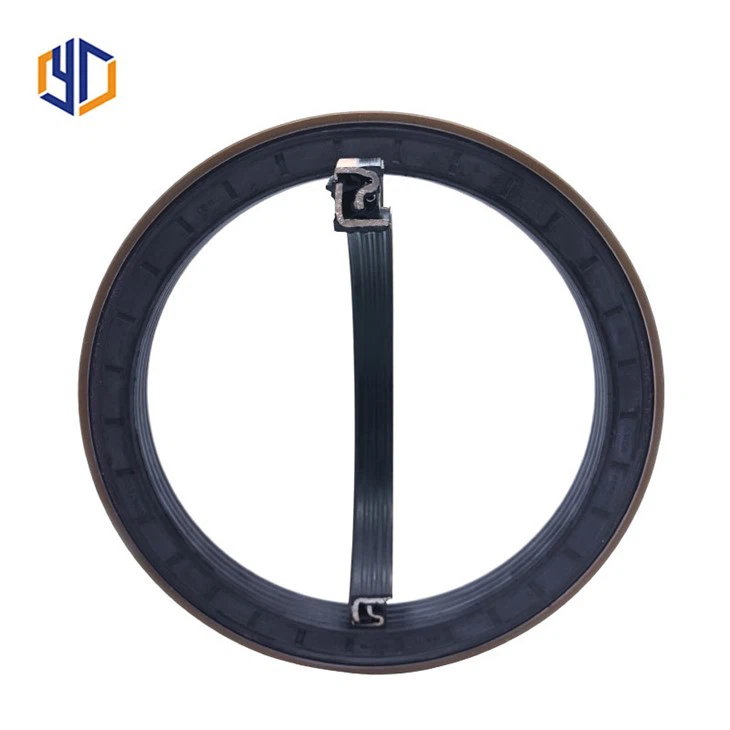
Hey there! As a supplier of Outer Hub Oil Seals, I've seen my fair share of situations where these seals need to be removed. Whether it's due to wear and tear, damage, or just a routine maintenance check, knowing how to remove an old Outer Hub Oil Seal is crucial. In this blog, I'll walk you through the step-by-step process of removing an old Outer Hub Oil Seal, and I'll also share some tips and tricks along the way.
Why Remove an Old Outer Hub Oil Seal?
Before we dive into the removal process, let's quickly talk about why you might need to remove an old Outer Hub Oil Seal. Over time, these seals can become worn out, damaged, or contaminated. This can lead to oil leaks, which can cause a variety of problems, including reduced performance, increased wear and tear on other components, and even safety issues. By removing and replacing the old seal, you can prevent these problems from occurring and keep your equipment running smoothly.
Tools You'll Need
To remove an old Outer Hub Oil Seal, you'll need a few tools. Here's a list of the tools you'll need:
- Seal puller: This is a specialized tool designed to remove oil seals. You can find seal pullers at most auto parts stores or online.
- Screwdriver: You'll need a flathead or Phillips screwdriver to remove any screws or bolts that are holding the seal in place.
- Pliers: You'll need a pair of pliers to grip and pull the seal out.
- Hammer: You may need a hammer to gently tap the seal puller or pliers to help loosen the seal.
- Safety glasses: It's important to wear safety glasses to protect your eyes from any debris or oil that may splash out during the removal process.
Step-by-Step Removal Process
Now that you have the tools you need, let's walk through the step-by-step process of removing an old Outer Hub Oil Seal:
Step 1: Prepare the Area
Before you start removing the seal, you'll need to prepare the area. Make sure the equipment is turned off and cooled down. If the seal is located in a wheel hub, you'll need to remove the wheel and any other components that are blocking access to the seal. You may also need to drain any oil or fluid from the hub.
Step 2: Locate the Seal
Once the area is prepared, you'll need to locate the Outer Hub Oil Seal. The seal is usually located on the outside of the hub, near the wheel. It may be covered by a dust cap or other protective cover. If there is a dust cap, use a screwdriver to remove it.
Step 3: Insert the Seal Puller
Once you've located the seal, insert the seal puller into the groove around the edge of the seal. Make sure the puller is inserted all the way into the groove and that the teeth of the puller are gripping the seal.
Step 4: Pull the Seal Out
Once the seal puller is inserted, use the pliers to grip the handle of the puller and pull the seal out. You may need to use a hammer to gently tap the puller or pliers to help loosen the seal. Be careful not to damage the hub or other components while pulling the seal out.
Step 5: Clean the Area
Once the seal is removed, use a clean rag or paper towel to clean the area around the seal. Make sure to remove any dirt, debris, or old sealant. You may also need to use a solvent or cleaner to remove any stubborn dirt or oil.
Step 6: Inspect the Hub
After cleaning the area, inspect the hub for any damage or wear. Look for any cracks, scratches, or other signs of damage. If you notice any damage, you may need to replace the hub or have it repaired before installing a new seal.
Step 7: Install the New Seal
Once the hub is clean and inspected, it's time to install the new Outer Hub Oil Seal. Make sure to choose a seal that is the correct size and type for your equipment. You can find the correct seal by referring to your equipment's owner's manual or by consulting with a professional.
To install the new seal, apply a small amount of sealant or lubricant to the outside edge of the seal. Then, carefully insert the seal into the hub, making sure it is seated evenly and securely. You may need to use a hammer to gently tap the seal into place.
Step 8: Reassemble the Equipment
Once the new seal is installed, reassemble the equipment. Make sure to replace any dust caps, screws, or bolts that were removed during the removal process. If you removed the wheel, make sure to reinstall it and tighten the lug nuts to the correct torque specification.
Tips and Tricks
Here are some tips and tricks to help you remove an old Outer Hub Oil Seal safely and effectively:
- Use the right tools: Make sure to use the right tools for the job. Using the wrong tools can damage the seal or the hub, making it more difficult to remove or install the seal.
- Be gentle: When using the seal puller or pliers, be gentle and avoid using too much force. Applying too much force can damage the seal or the hub, making it more difficult to remove or install the seal.
- Clean the area: Before installing the new seal, make sure to clean the area around the seal thoroughly. This will help ensure a proper seal and prevent leaks.
- Use a sealant: Applying a small amount of sealant or lubricant to the outside edge of the seal can help make it easier to install and prevent leaks.
- Follow the manufacturer's instructions: When installing the new seal, make sure to follow the manufacturer's instructions carefully. This will help ensure a proper seal and prevent leaks.
Conclusion
Removing an old Outer Hub Oil Seal is a relatively simple process that can be done with a few basic tools. By following the step-by-step process outlined in this blog and using the tips and tricks provided, you can remove an old seal safely and effectively. If you have any questions or need further assistance, don't hesitate to contact us. We're a leading supplier of Outer Hub Oil Seals, Trailer Hub Oil Seals, and Wheel Hub Oil Seals, and we're here to help you find the right seal for your equipment.
If you're in the market for high-quality Outer Hub Oil Seals, we'd love to hear from you. Whether you're a small business or a large corporation, we can provide you with the seals you need at a competitive price. Contact us today to learn more about our products and services, and to discuss your specific needs. We look forward to working with you!

References
- Automotive Repair Manuals
- Manufacturer's Instructions for Outer Hub Oil Seals