

Hey there! As a supplier of TC Oil Seal Catalogs, I often get asked a bunch of questions about what info you can find in these catalogs. One question that pops up quite a bit is, "Does the TC oil seal catalog have information on seal friction?" Well, let's dig into this topic and find out.
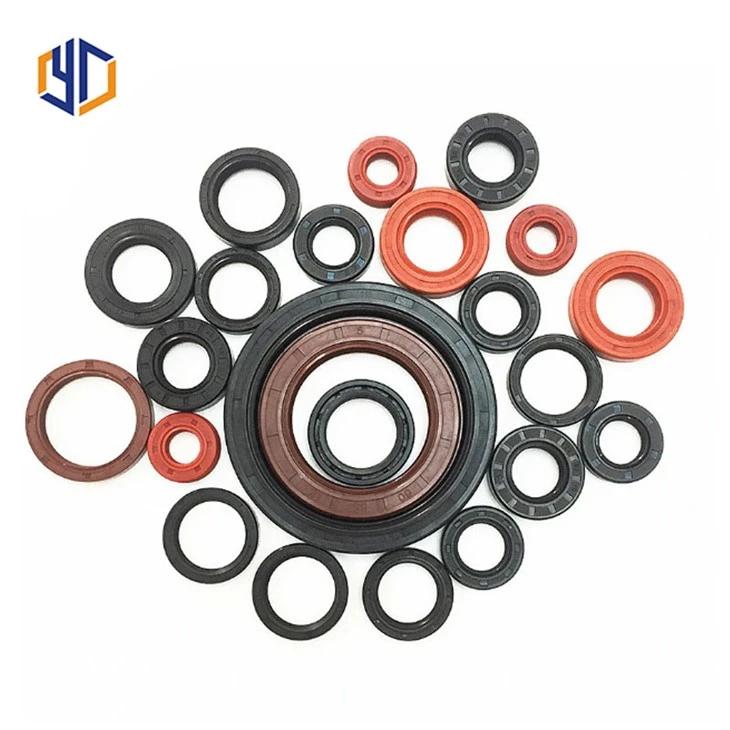
First off, let's talk a bit about TC oil seals. These seals are super important in a whole bunch of industries. They're used to keep lubricants in and contaminants out. You can find them in all sorts of applications, from automotive engines to industrial machinery. There are different types too, like the Spot TC Oil Seal, the TC NBR Oil Seal, and the TC for Automotive Seals. Each type has its own unique features and is designed for specific uses.
Now, back to the question about seal friction. Seal friction is a big deal. It can affect how well the seal works and how long it lasts. When there's too much friction, it can lead to increased wear and tear on the seal, which means it might need to be replaced more often. On the other hand, too little friction could mean the seal isn't doing its job properly, and you might end up with leaks.
So, does the TC oil seal catalog have information on this? The answer is, it depends. A good TC oil seal catalog should have at least some basic information about seal friction. For example, it might give you an idea of the typical friction levels you can expect for different types of seals under normal operating conditions. This can be really helpful if you're trying to choose the right seal for your application.
Let's say you're working on an automotive project and you need a seal that can handle high speeds. The catalog might tell you that a certain type of TC for Automotive Seals has a lower friction coefficient, which means it'll be better suited for high - speed applications. This kind of info can save you a lot of headaches down the road.
But sometimes, the information in the catalog might be a bit limited. It might just give you general guidelines rather than detailed data. That's because there are so many factors that can affect seal friction. Things like the type of lubricant being used, the temperature, the pressure, and the surface finish of the shaft all play a role.
For instance, if you're using a synthetic lubricant instead of a mineral oil, the friction characteristics of the seal might change. The catalog might not be able to cover every single possible combination of these factors. In cases like this, you might need to do some additional research or even contact the seal manufacturer for more specific information.
Another thing to keep in mind is that the catalog might also include some tips on how to reduce seal friction. This could involve things like proper installation techniques. If a seal isn't installed correctly, it can cause uneven pressure and increase friction. The catalog might have diagrams or instructions on how to install the seal properly to minimize friction.
It could also mention the importance of maintaining the right operating conditions. For example, keeping the temperature within a certain range can help keep the friction at an optimal level. If the temperature gets too high, the seal material might expand and cause more friction.
Now, let's talk about how you can use the information in the catalog to your advantage. When you're looking at the catalog, start by identifying the type of application you have. Are you working on a small - scale industrial machine or a large - scale automotive engine? Once you've determined that, look for the seals that are recommended for your application.
Then, pay close attention to any information about friction. Compare the friction levels of different seals. If you're on a budget and don't need the absolute lowest friction, you might be able to choose a seal that's a bit more affordable but still meets your basic requirements.
If you're still not sure which seal is right for you, don't hesitate to reach out. As a TC Oil Seal Catalog supplier, I'm here to help. Whether you need more detailed information about seal friction or you're just not sure which type of seal to choose, I can offer you personalized advice.
We've got a wide range of TC oil seals in our catalog, and we're always updating it with the latest products and information. So, if you're in the market for TC oil seals, don't just rely on the catalog alone. Give us a shout, and we can work together to find the perfect seal for your needs.

In conclusion, while the TC oil seal catalog can provide some valuable information about seal friction, it might not have all the answers. But it's a great starting point. It gives you a general idea of what to expect and can help you make an informed decision. And if you need more in - depth info, we're here to support you.
If you're interested in purchasing TC oil seals or just want to learn more, feel free to get in touch. We're ready to assist you with all your seal - related needs and help you find the best solutions for your applications.
References
- Industry standards and guidelines for TC oil seals
- Technical documentation from seal manufacturers