

Hey there! As a supplier of Trailer Hub Oil Seals, I often get asked if a trailer hub oil seal can be used in combination with other sealing methods. Well, let's dive right into this topic and find out.
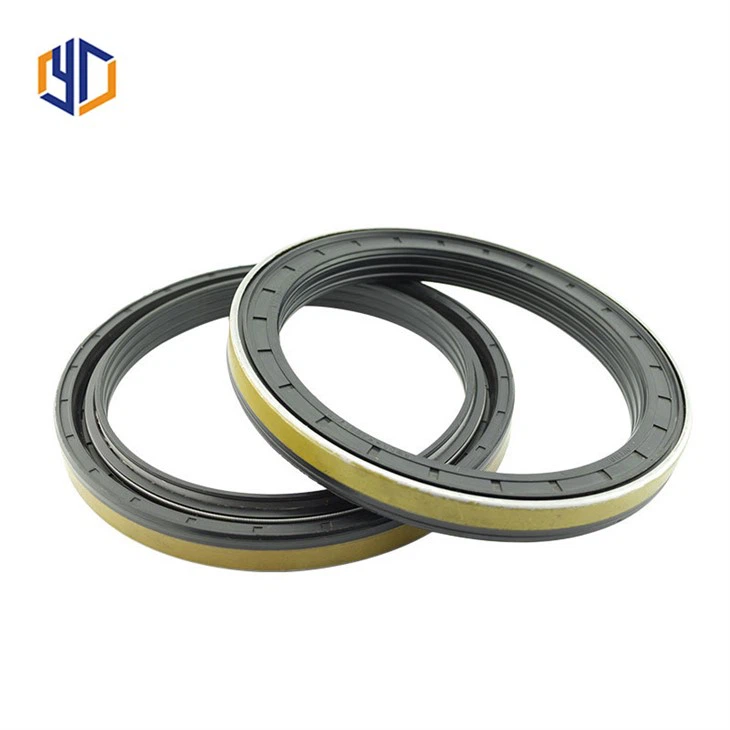
First off, let's understand what a trailer hub oil seal does. A Trailer Hub Oil Seal is designed to keep lubricating oil inside the wheel hub and prevent contaminants like dirt, water, and dust from getting in. It's a crucial component in maintaining the proper functioning of the trailer's wheel hub.
Now, can it be used with other sealing methods? The short answer is yes, it can, and in many cases, it's actually a great idea. There are several reasons why combining sealing methods can be beneficial.
One of the main reasons is to enhance the overall sealing performance. A single trailer hub oil seal might not be enough to provide complete protection in all situations. For example, in harsh environments where there's a lot of moisture or fine dust particles, additional sealing can help prevent these contaminants from reaching the wheel hub.
Let's take a look at some common sealing methods that can be used in combination with a trailer hub oil seal.
Gaskets
Gaskets are a simple yet effective way to add an extra layer of sealing. They are usually made of materials like rubber, cork, or metal, and are placed between two mating surfaces to fill any gaps and prevent leakage. When used in conjunction with a trailer hub oil seal, gaskets can help seal the area around the hub, reducing the chances of oil leakage and keeping out external contaminants. For instance, a rubber gasket can be placed between the hub and the brake drum to create a tight seal.
O - rings
O - rings are another popular sealing option. They are circular rubber rings that are designed to fit into a groove and create a seal when compressed. O - rings can be used in various parts of the wheel hub assembly, such as around the axle shaft or in the housing. When used with a trailer hub oil seal, they can provide an additional barrier against oil leakage and the ingress of dirt and water. For example, an O - ring can be placed around the axle shaft where it enters the hub to prevent oil from seeping out and contaminants from getting in.
Lip Seals
Lip seals are similar to trailer hub oil seals in that they have a flexible lip that makes contact with a surface to create a seal. They can be used in combination with the main trailer hub oil seal to provide extra protection in areas where there's a high risk of leakage or contamination. For example, a secondary lip seal can be installed on the outside of the hub to catch any oil that might have bypassed the primary trailer hub oil seal and also to keep out external dirt and water.
Labyrinth Seals
Labyrinth seals are a more complex type of sealing mechanism. They consist of a series of channels and grooves that create a tortuous path for any fluid or contaminants trying to pass through. When used in combination with a trailer hub oil seal, labyrinth seals can significantly reduce the chances of oil leakage and the entry of dirt and water. They are particularly useful in high - speed applications where centrifugal forces can cause oil to leak more easily.
Now, let's talk about the advantages of using a trailer hub oil seal in combination with other sealing methods.
Improved Durability
By adding extra sealing layers, the overall durability of the wheel hub assembly can be increased. The additional seals help protect the trailer hub oil seal from wear and tear, as well as from the damaging effects of contaminants. This means that the wheel hub will last longer and require less maintenance over time.
Enhanced Performance
In terms of performance, the combination of sealing methods can lead to better overall performance of the trailer. With a more effective seal, there's less chance of oil leakage, which can cause problems like reduced lubrication and increased friction in the wheel hub. This can result in smoother operation, better fuel efficiency, and less wear on the components.
Reduced Maintenance Costs
Using multiple sealing methods can also help reduce maintenance costs. Since the wheel hub is better protected, there's less need for frequent inspections and repairs. This can save both time and money in the long run.
However, there are also some things to keep in mind when using a trailer hub oil seal in combination with other sealing methods.

Compatibility
It's important to ensure that the different sealing methods are compatible with each other. For example, the materials used in the gaskets, O - rings, and lip seals should not react with the oil used in the wheel hub or the material of the trailer hub oil seal. Otherwise, it could lead to degradation of the seals and reduced sealing performance.
Installation
Proper installation is crucial when using multiple sealing methods. Each seal needs to be installed correctly to ensure that it functions as intended. Incorrect installation can lead to leaks, premature wear, and other problems. For example, if an O - ring is not seated properly in its groove, it may not create an effective seal.
In addition to the above - mentioned sealing methods, there are also some specific types of seals that might be relevant to our discussion. For example, Wheel Hub Oil Seal is a general term that can refer to various types of seals used in wheel hubs, including trailer hub oil seals. And if you're dealing with Toyota vehicles, Hub Seals for Toyota Vehicles are specifically designed to meet the requirements of Toyota's wheel hub assemblies.
So, in conclusion, a trailer hub oil seal can definitely be used in combination with other sealing methods. It offers a great way to enhance the sealing performance, improve durability, and reduce maintenance costs. Whether you're dealing with a regular trailer or a specialized vehicle, adding extra sealing can make a big difference in the long - term performance of the wheel hub.
If you're in the market for high - quality trailer hub oil seals or need more information on how to use them in combination with other sealing methods, don't hesitate to reach out. We're here to help you find the best solutions for your needs. Whether you're a small repair shop or a large fleet operator, we can provide you with the right products and advice. So, contact us today to start a discussion about your sealing requirements and let's work together to keep your trailers running smoothly.
References
- "Sealing Technology Handbook" by John H. Bickford
- "Automotive Sealing Systems" by various authors in the automotive engineering field