

As a trusted supplier of Spot TC Oil Seals, I've witnessed firsthand the diverse applications and performance of these seals across various industries. One question that frequently arises from our customers is whether Spot TC Oil Seals have a good sealing effect on different shaft materials. In this blog post, I'll delve into this topic, exploring the factors that influence the sealing performance of Spot TC Oil Seals and their compatibility with different shaft materials.
Understanding Spot TC Oil Seals
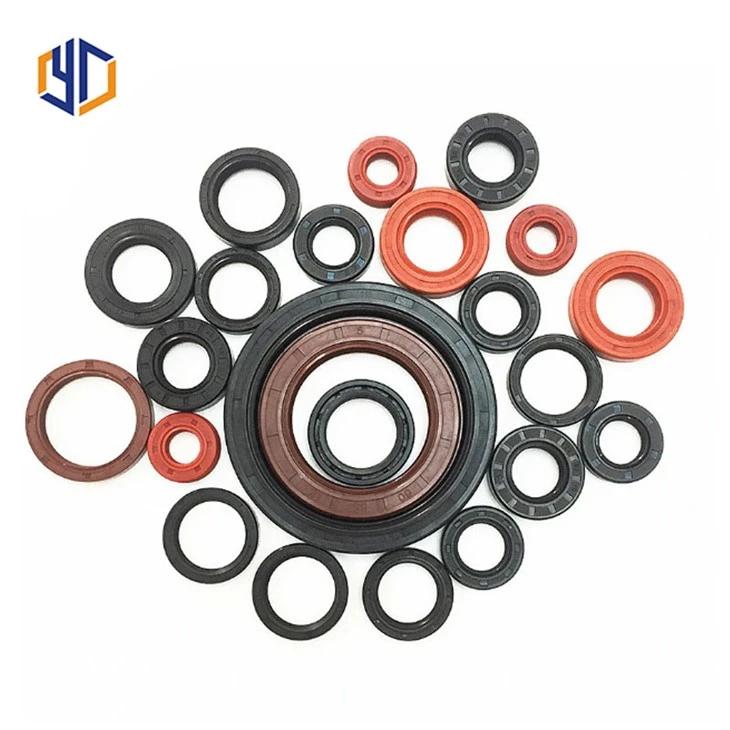
Before we discuss the sealing effect on different shaft materials, let's first understand what Spot TC Oil Seals are. Spot TC Oil Seals are a type of rotary shaft seal designed to prevent the leakage of lubricants and the ingress of contaminants in rotating machinery. They consist of a rubber sealing lip, a metal case, and a garter spring. The rubber sealing lip is the key component that provides the sealing function, while the metal case provides structural support and the garter spring ensures proper contact pressure between the sealing lip and the shaft.
Factors Affecting Sealing Performance
The sealing performance of Spot TC Oil Seals is influenced by several factors, including the material of the sealing lip, the surface finish of the shaft, the operating conditions, and the installation method. Let's take a closer look at each of these factors:
-
Material of the Sealing Lip: The material of the sealing lip plays a crucial role in determining the sealing performance of Spot TC Oil Seals. Different materials have different properties, such as chemical resistance, temperature resistance, and wear resistance. For example, nitrile rubber (NBR) is a commonly used material for sealing lips due to its excellent oil resistance and low cost. Fluorocarbon rubber (FKM) is another popular material that offers superior chemical resistance and high-temperature performance.
-
Surface Finish of the Shaft: The surface finish of the shaft also affects the sealing performance of Spot TC Oil Seals. A smooth and clean shaft surface provides better contact between the sealing lip and the shaft, reducing the risk of leakage. On the other hand, a rough or dirty shaft surface can cause the sealing lip to wear prematurely or create gaps that allow lubricants to leak.
-
Operating Conditions: The operating conditions, such as temperature, pressure, and speed, can also impact the sealing performance of Spot TC Oil Seals. High temperatures can cause the rubber sealing lip to harden and lose its elasticity, while high pressures can increase the contact pressure between the sealing lip and the shaft, leading to increased wear. Similarly, high speeds can generate heat and friction, which can also affect the sealing performance.
-
Installation Method: The installation method is another important factor that can affect the sealing performance of Spot TC Oil Seals. Improper installation can cause the sealing lip to be damaged or misaligned, resulting in leakage. It's important to follow the manufacturer's installation instructions carefully and use the appropriate tools and techniques.
Compatibility with Different Shaft Materials
Now that we've discussed the factors that affect the sealing performance of Spot TC Oil Seals, let's explore their compatibility with different shaft materials. Spot TC Oil Seals are designed to work with a wide range of shaft materials, including steel, stainless steel, aluminum, and cast iron. However, the sealing performance may vary depending on the material of the shaft and the specific application.
-
Steel Shafts: Steel is one of the most commonly used shaft materials due to its high strength and durability. Spot TC Oil Seals generally provide excellent sealing performance on steel shafts, especially when the surface finish is smooth and clean. However, if the steel shaft is exposed to corrosive environments, it may be necessary to use a corrosion-resistant coating or a different shaft material.

-
Stainless Steel Shafts: Stainless steel is a popular choice for shaft materials in applications where corrosion resistance is required. Spot TC Oil Seals can also provide good sealing performance on stainless steel shafts, but it's important to ensure that the surface finish is smooth and free of scratches or burrs. Additionally, some types of stainless steel may have a lower coefficient of friction than steel, which can affect the contact pressure between the sealing lip and the shaft.
-
Aluminum Shafts: Aluminum is a lightweight and corrosion-resistant material that is commonly used in applications where weight reduction is important. Spot TC Oil Seals can be used on aluminum shafts, but it's important to note that aluminum is a softer material than steel or stainless steel, which can cause the sealing lip to wear more quickly. To minimize wear, it may be necessary to use a harder sealing lip material or a different shaft material.
-
Cast Iron Shafts: Cast iron is a strong and durable material that is commonly used in applications where high loads and wear resistance are required. Spot TC Oil Seals can provide good sealing performance on cast iron shafts, but it's important to ensure that the surface finish is smooth and free of porosity or cracks. Additionally, cast iron may have a higher coefficient of friction than steel or stainless steel, which can increase the contact pressure between the sealing lip and the shaft.
Conclusion
In conclusion, Spot TC Oil Seals can provide a good sealing effect on different shaft materials, but the sealing performance may vary depending on several factors, including the material of the sealing lip, the surface finish of the shaft, the operating conditions, and the installation method. As a supplier of Spot TC Oil Seals, we offer a wide range of sealing solutions to meet the specific needs of our customers. Whether you're looking for a Standard Size TC Oil Seal, a TC NBR Oil Seal, or a TC for Automotive Seals, we have the expertise and experience to help you find the right solution for your application.
If you have any questions or need further information about Spot TC Oil Seals or our other sealing products, please don't hesitate to contact us. We're always happy to help you find the best sealing solution for your needs.
References
- "Rotary Shaft Seals: Design, Selection, and Application" by John T. Roth
- "Handbook of Seal Technology" by John H. Bickford
- "Sealing Technology for Rotating Equipment" by Robert J. Bush