

As a seasoned supplier of rubber strips, I've witnessed firsthand the versatility and practicality of these unassuming yet incredibly useful products. While rubber strips are commonly associated with automotive applications such as Car Bumper Rubber Strip, Rubber Strip for Car Door, and Car Windshield Rubber Strip, their potential extends far beyond the automotive industry. In this blog post, I'll explore the various ways a rubber strip can be used in furniture, highlighting its benefits and providing practical examples.
The Advantages of Using Rubber Strips in Furniture
Rubber strips offer several advantages when incorporated into furniture design and construction. These benefits make them a valuable addition to any piece of furniture, whether it's a modern sofa, a classic dining table, or a functional storage unit.
1. Protection
One of the primary functions of a rubber strip in furniture is to provide protection. Rubber is a durable and flexible material that can absorb shock and prevent damage to both the furniture and its surroundings. For example, placing a rubber strip along the edges of a table can prevent scratches and dents when objects are placed on or moved across the surface. Similarly, rubber strips can be used on the feet of chairs and tables to protect the floor from scratches and scuffs.
2. Noise Reduction
Rubber has excellent sound-dampening properties, making it an ideal material for reducing noise in furniture. When used as a cushioning material between moving parts, such as drawers and cabinets, rubber strips can minimize the noise generated by opening and closing these components. This is particularly beneficial in a quiet environment, such as a bedroom or a study, where excessive noise can be a distraction.
3. Improved Stability
Rubber strips can also enhance the stability of furniture. By providing a non-slip surface, they can prevent chairs and tables from sliding on smooth floors, reducing the risk of accidents. Additionally, rubber strips can be used to level uneven furniture, ensuring that it sits firmly on the ground and does not wobble.
4. Aesthetic Appeal
In addition to their functional benefits, rubber strips can also enhance the aesthetic appeal of furniture. They come in a variety of colors, textures, and profiles, allowing designers to create unique and visually appealing pieces. For example, a thin rubber strip can be used as a decorative trim to add a modern touch to a traditional piece of furniture, while a thick rubber strip can be used to create a bold and contemporary look.
Practical Applications of Rubber Strips in Furniture
Now that we've explored the advantages of using rubber strips in furniture, let's take a look at some practical applications.
1. Table Edges
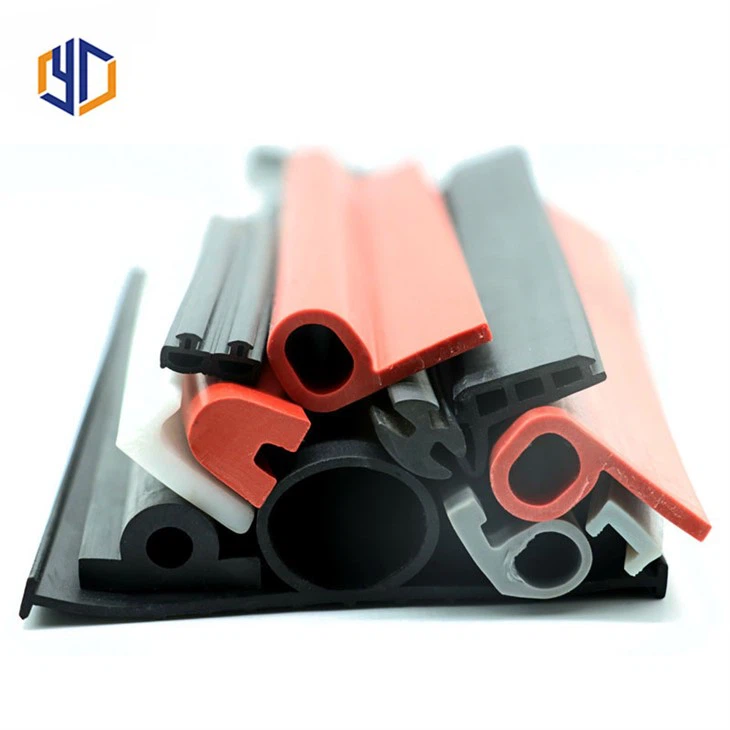
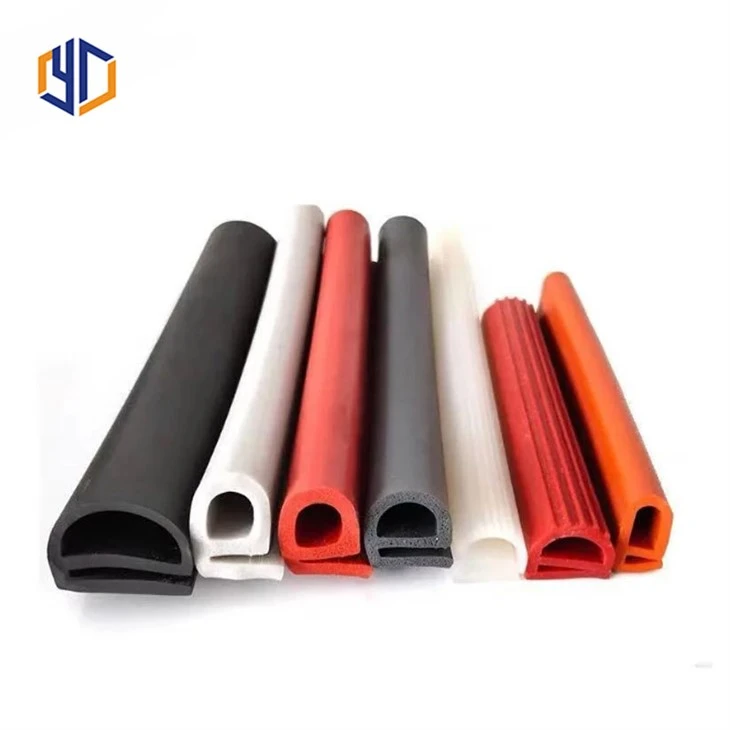
As mentioned earlier, rubber strips can be used to protect the edges of tables from scratches and dents. They can be easily attached to the table using adhesive or screws, and they come in a variety of shapes and sizes to fit different table designs. For example, a rounded rubber strip can be used on a circular table, while a straight rubber strip can be used on a rectangular table.
2. Chair Feet
Rubber strips are commonly used on the feet of chairs to protect the floor and provide stability. They can be made from different types of rubber, such as neoprene or silicone, depending on the specific requirements of the chair. For example, a soft rubber strip may be used on a lightweight chair to provide a gentle cushioning effect, while a harder rubber strip may be used on a heavy-duty chair to ensure maximum stability.
3. Drawer and Cabinet Slides
Rubber strips can be used as a cushioning material between drawers and cabinets to reduce noise and prevent damage. They can be placed on the sides or the bottom of the drawers and cabinets, and they can be easily replaced if they become worn or damaged. Additionally, rubber strips can be used to provide a smooth and quiet operation of the drawers and cabinets, making them easier to open and close.
4. Door Seals
Rubber strips can be used as door seals to prevent drafts and noise from entering a room. They can be installed around the edges of doors, windows, and cabinets, creating a tight seal that blocks out air and sound. This is particularly beneficial in a cold climate, where drafts can cause energy loss and discomfort.
5. Furniture Assembly
Rubber strips can also be used in furniture assembly to provide a secure and flexible connection between different parts. For example, they can be used to join two pieces of wood together, creating a strong and durable joint. Additionally, rubber strips can be used to seal gaps between different components, preventing dust and moisture from entering the furniture.
Choosing the Right Rubber Strip for Your Furniture
When choosing a rubber strip for your furniture, there are several factors to consider. These include the type of rubber, the size and shape of the strip, and the intended application.
1. Type of Rubber
There are several types of rubber available, each with its own unique properties and characteristics. Some of the most common types of rubber used in furniture include neoprene, silicone, and EPDM. Neoprene is a synthetic rubber that is known for its excellent resistance to oil, chemicals, and weathering. Silicone is a high-performance rubber that is resistant to heat, cold, and UV radiation. EPDM is a durable and flexible rubber that is commonly used in outdoor applications.
2. Size and Shape
The size and shape of the rubber strip will depend on the specific application. For example, a thin rubber strip may be used for a decorative trim, while a thick rubber strip may be used for a cushioning material. Additionally, the shape of the rubber strip may vary depending on the design of the furniture. For example, a rounded rubber strip may be used on a circular table, while a straight rubber strip may be used on a rectangular table.
3. Intended Application
The intended application of the rubber strip will also determine the type of rubber and the size and shape of the strip. For example, if the rubber strip is used for protection, a durable and flexible rubber may be required. If the rubber strip is used for noise reduction, a soft and sound-dampening rubber may be more appropriate.
Conclusion
In conclusion, a rubber strip can be a valuable addition to furniture, providing protection, noise reduction, improved stability, and aesthetic appeal. Whether you're a furniture designer, a manufacturer, or a homeowner, there are many ways to incorporate rubber strips into your furniture to enhance its functionality and appearance. As a rubber strip supplier, I'm committed to providing high-quality products that meet the diverse needs of our customers. If you're interested in learning more about our rubber strips or have any questions about using them in your furniture, please don't hesitate to contact us. We'd be happy to discuss your requirements and help you find the right solution for your project.
References
- "The Benefits of Using Rubber in Furniture Design." Furniture Today, [publication date].
- "Rubber Seals and Gaskets: A Guide to Selection and Application." Rubber Manufacturers Association, [publication date].
- "How to Choose the Right Rubber for Your Application." Engineering.com, [publication date].