

Can an Outer Hub Oil Seal be lubricated during installation?
As a supplier of Outer Hub Oil Seals, I often encounter questions from customers regarding the installation process, and one of the most frequently asked questions is whether an Outer Hub Oil Seal can be lubricated during installation. In this blog post, I will delve into this topic, providing scientific and practical insights based on industry knowledge and experience.
The Function of Outer Hub Oil Seals
Before discussing lubrication during installation, it's essential to understand the role of Outer Hub Oil Seals. These seals are crucial components in various mechanical systems, especially in automotive and trailer applications. Their primary function is to prevent the leakage of lubricants, such as oil or grease, from the hub assembly while keeping contaminants, like dirt, water, and debris, out. This helps to maintain the proper functioning of the bearings and other components within the hub, ensuring smooth operation and extending the lifespan of the equipment.
For instance, in Hub Seals for Toyota Vehicles, Outer Hub Oil Seals play a vital role in protecting the wheel bearings from damage and maintaining the integrity of the lubrication system. Similarly, in trailers, Trailer Hub Oil Seal are essential for preventing oil leakage and ensuring the safe operation of the trailer wheels.
The Benefits of Lubrication during Installation
Lubricating an Outer Hub Oil Seal during installation offers several advantages. Firstly, it reduces friction between the seal and the mating surfaces, making the installation process smoother and easier. This can prevent damage to the seal lips, which are critical for maintaining a proper seal. When the seal is installed without lubrication, the friction can cause the lips to roll or turn inside out, compromising the seal's effectiveness.
Secondly, lubrication helps to ensure proper seating of the seal. By reducing friction, the seal can be more easily pressed into place, ensuring that it is correctly aligned and seated within the hub. This is particularly important for achieving a reliable and long - lasting seal.
Thirdly, lubrication can enhance the initial sealing performance. A thin layer of lubricant can fill any microscopic gaps between the seal and the mating surfaces, providing an additional barrier against leakage. This can help to prevent premature oil leakage and contamination, improving the overall performance of the hub assembly.
Choosing the Right Lubricant
When lubricating an Outer Hub Oil Seal during installation, it's crucial to choose the right lubricant. The lubricant should be compatible with the seal material and the lubricant used in the hub assembly. For most rubber seals, a silicone - based or petroleum - based lubricant is suitable. Silicone lubricants are often preferred because they are non - corrosive, have good temperature stability, and are compatible with a wide range of rubber materials.
However, it's important to avoid using lubricants that contain abrasive particles or chemicals that can damage the seal. For example, some solvents or harsh detergents can cause the rubber to swell or degrade, reducing the seal's effectiveness. It's also recommended to use a lubricant that is approved by the seal manufacturer to ensure compatibility and optimal performance.
The Lubrication Process
The lubrication process for an Outer Hub Oil Seal is relatively straightforward. First, clean the mating surfaces of the hub and the shaft thoroughly to remove any dirt, debris, or old lubricant. This ensures that the new lubricant can adhere properly and that there are no contaminants that could damage the seal.
Next, apply a thin, even layer of lubricant to the outer diameter of the seal and the seal lips. Be careful not to apply too much lubricant, as excess lubricant can attract dirt and debris, which can lead to premature seal failure. Use a clean brush or your fingers to apply the lubricant evenly.
Once the seal is lubricated, carefully install it into the hub. Use a suitable installation tool, such as a seal driver or a socket, to press the seal into place. Make sure that the seal is installed straight and that the lips are not damaged during the installation process.
Potential Drawbacks of Lubrication
While lubrication during installation offers many benefits, there are also some potential drawbacks to consider. One concern is that excessive lubrication can attract dirt and debris, which can accumulate around the seal and cause abrasion or damage. This can lead to premature seal failure and increased maintenance requirements.
Another potential issue is that some lubricants may not be compatible with the seal material or the lubricant used in the hub assembly. This can cause the seal to swell, shrink, or degrade over time, reducing its effectiveness. Therefore, it's essential to choose the right lubricant and follow the manufacturer's recommendations.
Conclusion
In conclusion, lubricating an Outer Hub Oil Seal during installation is generally a good practice. It offers several benefits, including reducing friction, ensuring proper seating, and enhancing the initial sealing performance. However, it's crucial to choose the right lubricant and apply it correctly to avoid potential drawbacks.
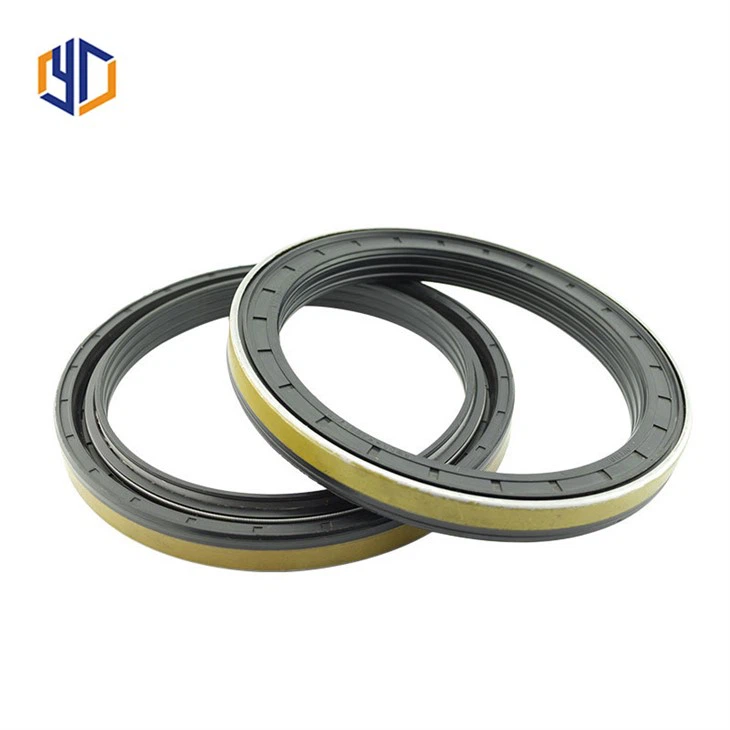

As a supplier of Outer Hub Oil Seal, we are committed to providing high - quality seals and expert advice on installation and maintenance. If you have any questions or need further information about Outer Hub Oil Seals or the lubrication process, please feel free to contact us. We are here to assist you in finding the best solutions for your specific needs. Whether you are in the automotive industry or the trailer business, we can provide you with the right products and support to ensure the reliable operation of your equipment. Don't hesitate to reach out to us for procurement and to discuss your requirements.
References
- Seal Manufacturer's Installation Guides
- Automotive and Trailer Maintenance Manuals
- Industry Research Papers on Sealing Technology