

As a seasoned hub seal supplier, I've encountered numerous inquiries regarding the performance and potential issues of hub seals. One question that frequently arises is, "Can a bad hub seal cause noise?" In this blog post, I'll delve into the intricacies of hub seals, explain how a faulty seal can lead to noise, and discuss the importance of timely replacement.
Understanding Hub Seals
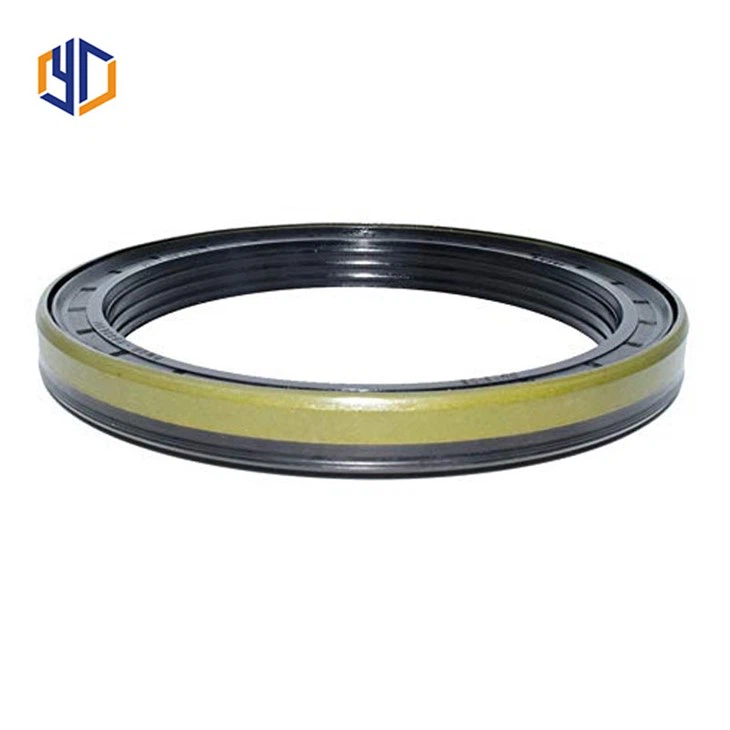
Hub seals are crucial components in automotive and industrial applications, designed to prevent lubricants from leaking out of the wheel hub assembly while keeping contaminants such as dirt, water, and debris from entering. They are typically made of rubber or a combination of rubber and metal, and their design ensures a tight seal around the wheel hub.
There are different types of hub seals available, each tailored to specific applications. For instance, the Outer Hub Oil Seal is designed to protect the outer part of the wheel hub, while the Wheel Hub Oil Seal provides a seal for the entire wheel hub assembly. In the case of trucks, Truck Wheel Hub Repair Seals are specifically engineered to withstand the heavy loads and harsh conditions associated with commercial vehicles.
How a Bad Hub Seal Can Cause Noise
When a hub seal fails, it can lead to a variety of issues, one of which is noise. Here's how:
Lubricant Leakage
A primary function of a hub seal is to retain lubricant within the wheel hub assembly. When the seal is damaged or worn, lubricant can leak out. As the lubricant level decreases, the moving parts within the hub, such as bearings, start to experience increased friction. This friction can generate a grinding or squealing noise, especially when the vehicle is in motion.
Contaminant Ingress
A faulty hub seal also allows contaminants to enter the wheel hub assembly. Dirt, water, and debris can cause damage to the bearings and other components, leading to uneven wear and tear. This uneven wear can result in a knocking or rattling noise, which may become more pronounced as the vehicle speeds up.
Bearing Damage
The presence of contaminants and the lack of proper lubrication can cause significant damage to the wheel bearings. Bearings are designed to rotate smoothly, but when they are exposed to dirt and debris or operate without sufficient lubrication, they can become pitted, scored, or misaligned. This damage can lead to a humming or growling noise, which is often a sign of serious bearing problems.
Signs of a Bad Hub Seal
In addition to noise, there are other signs that indicate a bad hub seal. These include:
Lubricant Leakage
Visible signs of lubricant leakage around the wheel hub are a clear indication of a faulty seal. This leakage can appear as oil stains on the wheels or the ground beneath the vehicle.

Vibration
A bad hub seal can cause the wheel to vibrate, especially at higher speeds. This vibration can be felt through the steering wheel or the vehicle's floorboards.
Reduced Performance
If the wheel bearings are damaged due to a bad hub seal, the vehicle's handling and performance may be affected. You may notice that the steering feels loose or that the vehicle pulls to one side.
Importance of Timely Replacement
Replacing a bad hub seal in a timely manner is crucial for several reasons. First, it helps prevent further damage to the wheel hub assembly and other components. By addressing the issue early, you can avoid costly repairs and extend the lifespan of your vehicle's wheels and bearings.
Second, a properly functioning hub seal ensures the safety of your vehicle. Faulty seals can lead to serious bearing problems, which can cause the wheel to lock up or come off while the vehicle is in motion. This can result in a dangerous situation for you and other road users.
Finally, timely replacement of hub seals can improve the overall performance and efficiency of your vehicle. By maintaining proper lubrication and preventing contamination, your vehicle's wheels can rotate smoothly, reducing friction and improving fuel economy.
Conclusion
In conclusion, a bad hub seal can indeed cause noise, as well as a variety of other problems. As a hub seal supplier, I understand the importance of providing high-quality seals that meet the needs of our customers. If you suspect that your vehicle has a bad hub seal, it's important to have it inspected and replaced as soon as possible.
At [Your Company], we offer a wide range of hub seals, including Outer Hub Oil Seal, Wheel Hub Oil Seal, and Truck Wheel Hub Repair Seals. Our seals are designed to provide reliable performance and long-lasting protection. If you're interested in purchasing hub seals or have any questions, please feel free to contact us for a consultation. We look forward to helping you keep your vehicles running smoothly.
References
- Automotive Service Excellence (ASE) Education Foundation. (n.d.). Automotive Technology: A Systems Approach.
- Chilton, J. (2019). Chilton's Auto Repair Manual.
- Haynes, J. (2020). Haynes Repair Manuals.