

When it comes to automotive seals, the technology behind TC (Torque Converter) seals is crucial for ensuring the smooth and efficient operation of vehicles. As a dedicated TC for Automotive Seals supplier, I've witnessed firsthand the importance of selecting the right materials for these seals. In this blog, I'll delve into the various materials used for TC in automotive seals, their properties, and why they are essential for the automotive industry.
Nitrile Butadiene Rubber (NBR)
Nitrile Butadiene Rubber, commonly known as NBR, is one of the most widely used materials for TC in automotive seals. NBR is a synthetic rubber copolymer of acrylonitrile (ACN) and butadiene. Its popularity stems from its excellent resistance to oil, fuel, and other automotive fluids. This resistance is crucial as TC seals are constantly exposed to various lubricants and hydraulic fluids within the vehicle's transmission system.
One of the key advantages of NBR is its good mechanical properties. It has high tensile strength and abrasion resistance, which means it can withstand the high pressures and friction that occur during the operation of the torque converter. Additionally, NBR has a relatively low compression set, which ensures that the seal maintains its shape and sealing performance over time.
Another benefit of using NBR is its cost - effectiveness. Compared to some other high - performance elastomers, NBR is relatively inexpensive, making it an attractive option for automotive manufacturers looking to balance quality and cost. You can explore our TC NBR Oil Seal to see how NBR is utilized in our products.
Fluoroelastomers (FKM)
Fluoroelastomers, also known as FKM, are high - performance elastomers that offer exceptional chemical resistance and thermal stability. These properties make them ideal for use in TC seals, especially in high - temperature and harsh chemical environments.
FKM has excellent resistance to a wide range of automotive fluids, including synthetic oils, fuels, and hydraulic fluids. It can withstand temperatures ranging from - 20°C to 250°C, which is much higher than the temperature range that NBR can handle. This high - temperature resistance is particularly important in modern automotive engines, where the operating temperatures can be quite high.
In addition to its chemical and thermal resistance, FKM also has good mechanical properties. It has high tear strength and low compression set, which ensures that the seal remains effective even under extreme conditions. However, the main drawback of FKM is its relatively high cost. Due to its high performance, FKM is more expensive than NBR, but for applications where high - temperature and chemical resistance are critical, the cost is often justified.
Silicone Rubber
Silicone rubber is another material that is used in TC automotive seals. Silicone rubber has excellent heat resistance, with a temperature range of - 60°C to 250°C. It also has good flexibility at low temperatures, which makes it suitable for use in automotive applications where the seal may be exposed to a wide range of temperatures.
One of the unique properties of silicone rubber is its low surface energy, which gives it good non - stick and self - lubricating properties. This can reduce friction between the seal and the mating surface, which in turn can improve the efficiency of the torque converter.
However, silicone rubber has some limitations. It has relatively poor resistance to oils and fuels compared to NBR and FKM. Therefore, it is often used in applications where the seal is not in direct contact with these fluids or in combination with other materials to enhance its performance.
Polyacrylate Rubber (ACM)
Polyacrylate rubber, or ACM, is a specialty elastomer that offers good heat and oil resistance. ACM is known for its excellent resistance to automotive transmission fluids, making it a suitable material for TC seals.
ACM has a relatively high temperature resistance, with a maximum operating temperature of around 175°C. It also has good compression set resistance, which ensures that the seal maintains its sealing performance over time. Additionally, ACM has good resistance to oxidation and ozone, which helps to extend the lifespan of the seal.
However, ACM has some limitations in terms of its low - temperature flexibility. At low temperatures, ACM can become brittle, which may affect its sealing performance. Therefore, it is often used in applications where the operating temperature is relatively high and stable.
Polytetrafluoroethylene (PTFE)
Polytetrafluoroethylene, or PTFE, is a synthetic fluoropolymer that is known for its excellent chemical resistance and low friction coefficient. PTFE is often used as a coating or in combination with other materials in TC automotive seals.
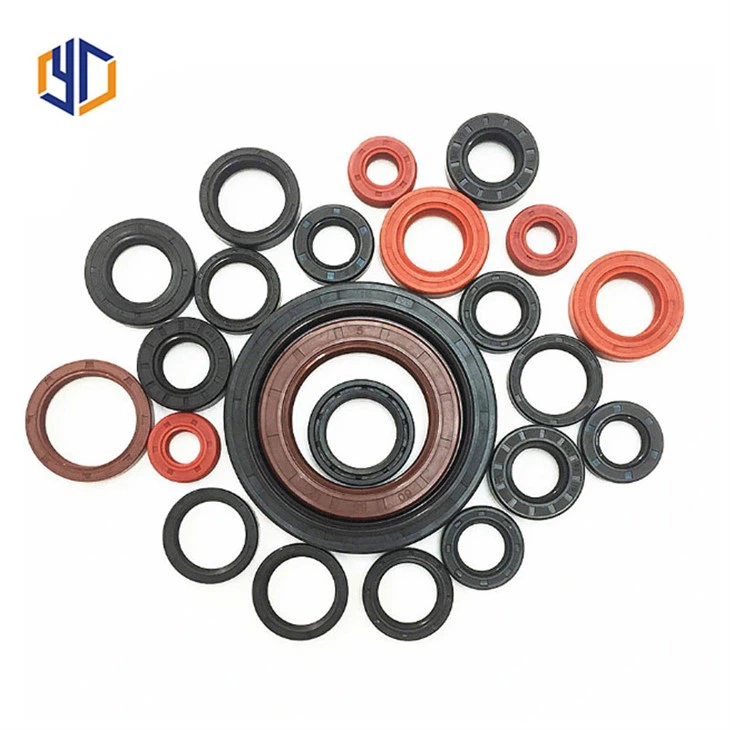

The low friction coefficient of PTFE reduces the wear between the seal and the mating surface, which can improve the efficiency and lifespan of the seal. PTFE also has excellent resistance to a wide range of chemicals, including acids, bases, and organic solvents.
However, PTFE has some limitations. It has a relatively low mechanical strength and high creep rate, which means that it may deform under load over time. Therefore, it is often used in combination with other materials, such as rubber, to enhance its mechanical properties.
Conclusion
Selecting the right material for TC in automotive seals is crucial for ensuring the performance and reliability of the vehicle's transmission system. Each material has its own unique properties and advantages, and the choice of material depends on various factors such as the application requirements, operating conditions, and cost.
As a TC for Automotive Seals supplier, we offer a wide range of seals made from different materials to meet the diverse needs of our customers. You can view our TC Oil Seal Catalog to explore our product offerings. If you are interested in our Spot TC Oil Seal or any other TC seals, we encourage you to contact us for procurement discussions. We are committed to providing high - quality products and excellent customer service to help you find the best sealing solutions for your automotive applications.
References
- "Elastomers for Automotive Seals" - Rubber World Magazine
- "Handbook of Elastomers" - Edited by K. C. Frisch and L. P. Nicolais
- "Automotive Sealing Technology" - SAE International Publications