

Hey there! As a supplier of TC NBR Oil Seals, I often get asked about the wear rate of these seals. So, I thought I'd write this blog to shed some light on the topic.
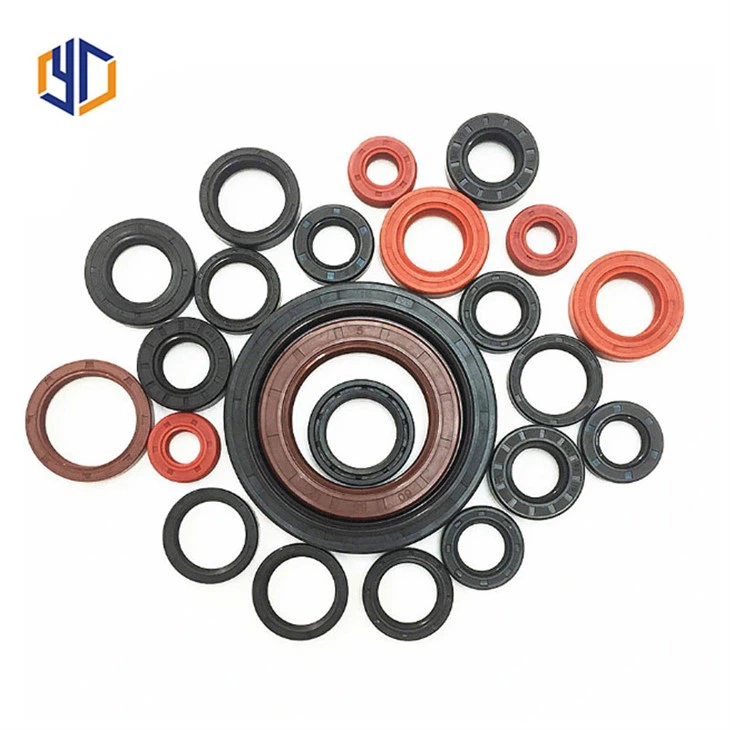

First off, let's understand what a TC NBR Oil Seal is. A TC NBR Oil Seal is a type of mechanical seal that's used to prevent the leakage of fluids, usually oil, in various machinery. The "TC" stands for "rubber-covered outside diameter and inside lip," and "NBR" refers to nitrile butadiene rubber, which is a synthetic rubber known for its excellent resistance to oil, fuel, and other petroleum-based products. You can check out our TC NBR Oil Seal page for more details.
Now, let's talk about the wear rate. The wear rate of a TC NBR Oil Seal is basically how fast the seal wears out over time. It's an important factor to consider because a seal with a high wear rate will need to be replaced more frequently, which can increase maintenance costs and downtime for your machinery.
Several factors can affect the wear rate of a TC NBR Oil Seal. One of the most significant factors is the operating conditions. For example, if the seal is exposed to high temperatures, it can cause the rubber to degrade more quickly, leading to a higher wear rate. Similarly, if the seal is subjected to high pressures or high speeds, it can also increase the wear rate.
Another factor is the quality of the seal itself. A high-quality TC NBR Oil Seal that's made from good materials and manufactured to strict standards will generally have a lower wear rate than a low-quality seal. That's why it's important to choose a reliable supplier like us who can provide you with high-quality seals. You can take a look at our TC Oil Seal Catalog to see the range of products we offer.
The type of fluid that the seal is in contact with also plays a role. Some fluids can be more aggressive towards the rubber material of the seal, causing it to wear out faster. For instance, if the seal is used in an environment where it comes into contact with chemicals or abrasive particles, it can increase the wear rate.
To measure the wear rate of a TC NBR Oil Seal, we usually look at the amount of material lost from the seal over a specific period of time. This can be done through various methods, such as measuring the thickness of the seal before and after a certain number of operating hours or by using advanced techniques like microscopy to analyze the surface of the seal.
In general, we've found that under normal operating conditions, a well-made TC NBR Oil Seal can have a relatively low wear rate. However, it's still important to monitor the condition of the seals regularly to catch any signs of excessive wear early on. This can help prevent unexpected failures and costly repairs.
If you're looking for a Spot TC Oil Seal, we've got you covered. Our seals are designed to provide long-lasting performance and reliability, even in challenging environments.
So, if you're in the market for TC NBR Oil Seals and want to ensure that you're getting a product with a low wear rate, we're here to help. We have a team of experts who can assist you in choosing the right seal for your specific application and answer any questions you might have. Whether you need a small quantity for a one-time project or a large order for regular maintenance, we can accommodate your needs.
Don't hesitate to reach out to us if you're interested in purchasing our TC NBR Oil Seals. We're always happy to have a chat about your requirements and discuss how we can provide you with the best solutions. Let's work together to keep your machinery running smoothly and efficiently!
References
- "Sealing Technology Handbook" by John Neale
- "Rubber Seals: Materials, Design, and Applications" by Michael W. Jansen