

Hey there, art enthusiasts and industry peeps! I'm an actual supplier of TC products, and today I wanna dig into the question: Is 'tc' used in art English?
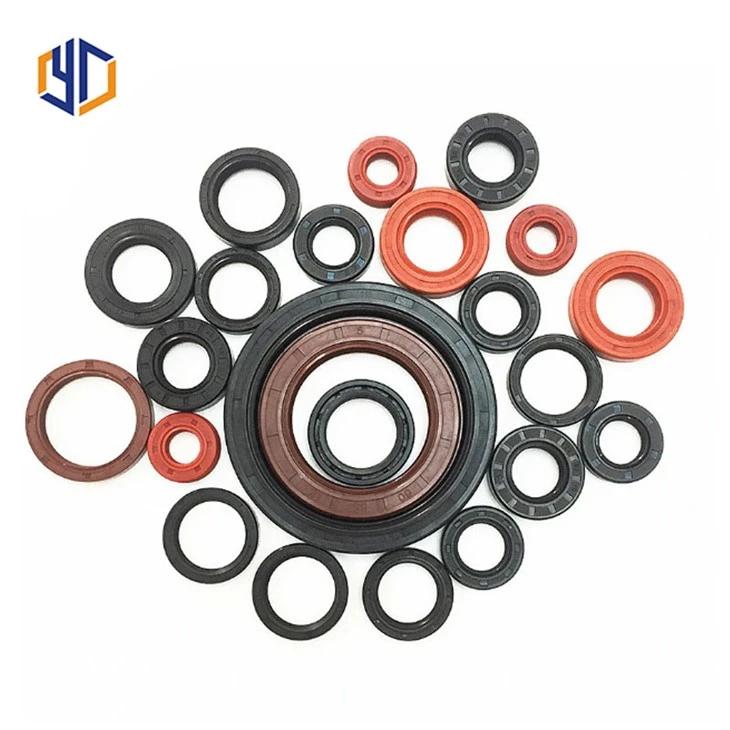
First off, let's clear up what 'TC' usually stands for in my world. I deal with Standard Size TC Oil Seal, TC for Automotive Seals, and TC NBR Oil Seal. In the industrial and mechanical fields, TC often refers to a type of oil seal design. It's a crucial component in many machines and vehicles, ensuring that fluids stay where they're supposed to and contaminants stay out.
But when it comes to art English, things get a bit more tricky. I've been in the TC supply business for a while, and I've always been curious about how different terms cross over between industries. So, I started doing some research to see if 'TC' has any place in the art world.
I hit up some art galleries, talked to artists, and even browsed through a ton of art - related books and online forums. At first, I didn't find much. Art English is full of terms like "brushstroke", "palette", "impasto", and so on. These are the words that artists use to describe their work, the techniques they employ, and the concepts they're trying to convey.
However, as I dug deeper, I realized that 'TC' might not be used in the traditional sense of art vocabulary, but there could be some creative ways it could be related. For example, in modern and experimental art, artists are always looking for new materials and techniques. The concept of a seal, which is what TC products are in my line of work, could be translated into an art context.
Think about it. An oil seal is designed to protect and contain. In art, an artist might use a similar concept to protect a certain part of their work or to create a boundary. Maybe an artist could use a sealing material (similar to the idea behind a TC oil seal) to preserve a particular layer of paint or to create a unique texture.
Another way 'TC' could potentially be relevant is in the art of restoration. When restoring an old painting or a piece of art, conservators need to protect the original work from further damage. They might use sealing materials to prevent moisture, dust, or other contaminants from getting to the art. While they might not call it 'TC', the underlying principle is similar.
I also thought about the idea of branding and marketing in the art world. Just like in my business, where we brand our TC products, artists brand themselves and their work. Maybe an artist could come up with a new technique or a product line and call it 'TC' as a unique identifier. It could be a way to stand out in a crowded art market.
But let's get back to the language aspect. In some cases, artists might use abbreviations or acronyms to simplify their communication. While 'TC' isn't a common one in art English right now, who's to say it couldn't catch on? If an influential artist starts using it in their work or in their descriptions, it could spread like wildfire.
Now, I know what you're thinking. This is all a bit of a stretch. And you might be right. But that's the beauty of art - it's all about pushing boundaries and thinking outside the box. Just because 'TC' isn't a well - known term in art English today doesn't mean it won't be in the future.
I also found that there are some sub - cultures within the art world where new and unconventional terms are constantly being created. Street art, for example, has its own slang and vocabulary. Maybe in a street art community, 'TC' could take on a whole new meaning. It could be a code word for a particular style, a location, or a group of artists.

In addition to all this, I considered the role of technology in art. With the rise of digital art, 3D printing, and other high - tech art forms, new terms are emerging all the time. There's a possibility that 'TC' could be incorporated into this new wave of art - tech language. For instance, in digital art, a "seal" could refer to protecting a digital file from being edited or corrupted, similar to how a TC oil seal protects a mechanical component.
As a TC supplier, I see a lot of potential in cross - industry collaboration. I'm always looking for new ways to expand my business, and if there's a way to connect my TC products to the art world, it could be a win - win situation. Maybe I could work with an artist to create a limited - edition art piece that incorporates TC materials or concepts.
If you're an artist reading this, I encourage you to think about the potential of 'TC' in your work. It might open up new creative possibilities. And if you're someone in the art business, whether it's a gallery owner, a curator, or a marketer, consider the unique branding opportunities that 'TC' could offer.
For those of you interested in my TC products, we have a wide range of Standard Size TC Oil Seal, TC for Automotive Seals, and TC NBR Oil Seal. If you think there's a way we could collaborate or if you're just curious about how these products work, don't hesitate to reach out. I'm always open to new ideas and partnerships.
In conclusion, while 'TC' isn't a commonly used term in art English at the moment, there are definitely some interesting ways it could be related to the art world. Whether it's through the concept of sealing, protection, or as a unique branding element, the possibilities are endless. So, keep an open mind, and who knows, 'TC' might just become the next big thing in art.
References
- Personal interviews with artists and art gallery staff.
- Various art - related books and online forums.