

In the realm of industrial components and engineering, the question of whether 'tc' is a widely recognized term in English is both intriguing and significant. As a supplier of 'tc' products, I've had the opportunity to witness firsthand the varying degrees of familiarity and understanding of this term across different sectors and regions.
The Origins and General Understanding of 'TC'
To begin with, 'tc' is an abbreviation that can stand for multiple things in different contexts. In the field of engineering and manufacturing, especially when it comes to seals, 'tc' often refers to a specific type of oil seal. This type of seal is designed to prevent the leakage of fluids, such as oil, while also keeping out contaminants like dust and dirt. The 'tc' oil seals are known for their reliability and durability, making them a popular choice in many industries.
The 'tc' in these oil seals typically represents a combination of features. 'T' usually stands for a design with a spring-loaded lip, which provides a tight and consistent seal around the shaft. The 'c' often indicates that the seal has a covered outer diameter, which offers additional protection and stability. This combination results in a seal that can withstand high pressures and harsh operating conditions.
The Recognition of 'TC' in Different Industries
In the automotive industry, 'tc' is quite well - recognized. Automotive engines, transmissions, and various other components require effective sealing to ensure proper functioning and longevity. TC for Automotive Seals are commonly used in these applications. Mechanics and engineers in this field are often familiar with the term and understand the specific requirements and benefits of 'tc' oil seals. For example, in engine crankshafts, 'tc' seals prevent oil leakage, which is crucial for maintaining the engine's lubrication system and overall performance.
The industrial machinery sector also has a good level of recognition for 'tc' oil seals. Machines such as pumps, compressors, and conveyors rely on proper sealing to operate efficiently. These seals are used to prevent the loss of hydraulic fluids, lubricants, and other process fluids. The reliability of 'tc' seals is highly valued in this industry, as any leakage can lead to equipment downtime, increased maintenance costs, and potential safety hazards.
However, outside of these core industries, the recognition of 'tc' may vary. In some smaller manufacturing operations or industries with less complex machinery, the term might not be as well - known. There could be a lack of awareness about the specific features and advantages of 'tc' oil seals, and companies may opt for more generic or less specialized sealing solutions.
Factors Affecting the Recognition of 'TC'
One of the main factors affecting the recognition of 'tc' is the level of technical knowledge within an industry. In highly technical and specialized sectors, such as aerospace and heavy machinery manufacturing, engineers and technicians are more likely to be familiar with the term. They have a deeper understanding of the different types of seals available and the specific requirements of their applications.
Marketing and education also play a crucial role. In industries where there is more active promotion of 'tc' products, such as through trade shows, technical publications, and direct sales efforts, the term is more likely to be recognized. For example, suppliers who provide detailed product information, including TC Oil Seal Catalog, can help increase awareness and understanding of 'tc' oil seals among potential customers.
Another factor is the geographical location. In regions with a strong manufacturing base and a high concentration of industries that rely on advanced sealing solutions, the recognition of 'tc' is likely to be higher. For instance, areas with a large automotive or industrial machinery manufacturing presence, such as parts of Germany, Japan, and the United States, are more likely to have a greater awareness of 'tc' oil seals.
The Role of a 'TC' Supplier
As a 'tc' supplier, my role is not only to provide high - quality products but also to educate and inform customers about the benefits of 'tc' oil seals. I understand that many customers may not be fully aware of the specific features and advantages of these seals, especially if they are new to the industry or have previously used more basic sealing solutions.

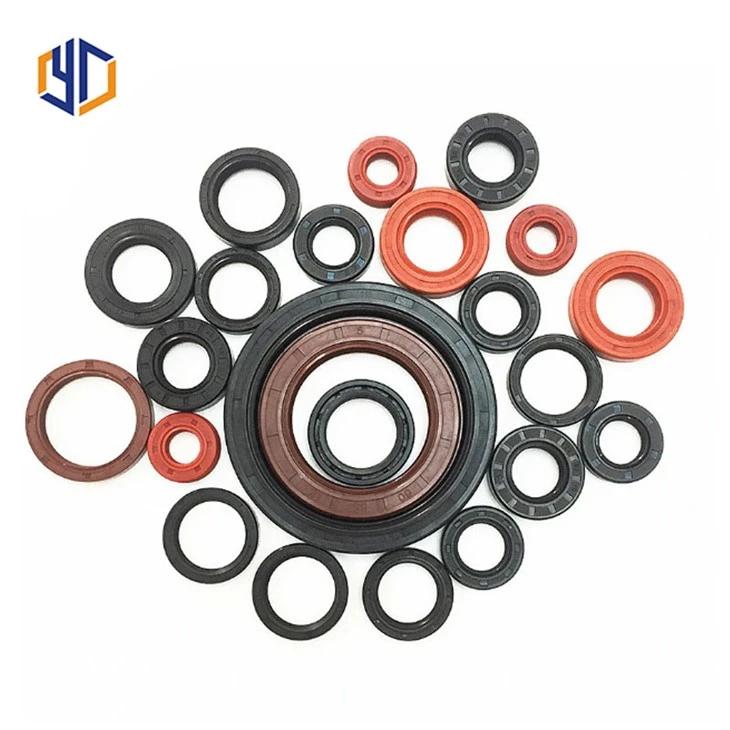
One of the ways I do this is by offering detailed product information. My TC NBR Oil Seal page on the website provides in - depth details about the materials used, the design features, and the performance specifications of these seals. This helps customers make more informed decisions when choosing the right sealing solution for their applications.
I also provide technical support to customers. Whether they have questions about installation, maintenance, or compatibility with their existing equipment, I'm available to offer expert advice. By building strong relationships with customers and providing excellent service, I aim to increase the recognition and adoption of 'tc' oil seals in the market.
Encouraging Contact for Procurement and洽谈
If you're in need of high - quality 'tc' oil seals for your automotive, industrial machinery, or other applications, I encourage you to reach out. Whether you're a small business looking for a reliable sealing solution or a large corporation with complex requirements, I have the expertise and products to meet your needs. By choosing our 'tc' oil seals, you can benefit from their durability, reliability, and performance, which will ultimately lead to cost savings and improved equipment efficiency. Don't hesitate to contact me to discuss your specific requirements and start a procurement process that will ensure the smooth operation of your machinery.
References
- "Sealing Technology Handbook" - A comprehensive guide on different types of seals and their applications.
- Industry reports on the automotive and industrial machinery sectors, which provide insights into the usage and demand for 'tc' oil seals.