

As a supplier of NBR O Ring Kits, I often receive inquiries from customers about the suitability of our products for various applications, especially low-temperature environments. In this blog post, I will delve into the characteristics of NBR O Ring Kits and evaluate their performance in low-temperature scenarios.
Understanding NBR O Ring Kits
Nitrile Butadiene Rubber (NBR), also known as Buna-N, is a synthetic rubber copolymer of acrylonitrile (ACN) and butadiene. NBR O Ring Kits are widely used in sealing applications due to their excellent resistance to oil, fuel, and other petroleum-based fluids. They offer good mechanical properties, including high tensile strength, abrasion resistance, and tear resistance. These properties make NBR O Ring Kits a popular choice in automotive, industrial, and hydraulic systems.
Low-Temperature Performance of NBR
The low-temperature performance of NBR is primarily determined by its acrylonitrile content. Generally, as the acrylonitrile content increases, the oil resistance of NBR improves, but its low-temperature flexibility decreases. NBR with a lower acrylonitrile content (around 18 - 24%) exhibits better low-temperature properties, with a glass transition temperature (Tg) as low as -40°C to -50°C. However, these grades may have reduced oil resistance compared to higher acrylonitrile content grades.
In low-temperature environments, the flexibility and elasticity of NBR O Rings are crucial for maintaining a proper seal. As the temperature drops, the rubber becomes stiffer, and its ability to conform to surface irregularities and maintain contact pressure decreases. This can lead to seal failure, resulting in leakage of fluids or gases.
Factors Affecting NBR O Ring Performance in Low Temperatures
Several factors can influence the performance of NBR O Ring Kits in low-temperature applications:
1. Acrylonitrile Content
As mentioned earlier, the acrylonitrile content in NBR significantly affects its low-temperature properties. Selecting the appropriate grade of NBR with a lower acrylonitrile content can improve the low-temperature flexibility of the O Rings.
2. Compression Set
Compression set is the permanent deformation of a rubber seal after being compressed for an extended period. In low-temperature environments, the compression set of NBR O Rings can increase, reducing their ability to recover and maintain a proper seal. Choosing NBR compounds with low compression set properties can help mitigate this issue.
3. Fluid Compatibility
The compatibility of the NBR O Rings with the fluids they come into contact with is essential. Some fluids may cause swelling or hardening of the rubber, which can further affect its low-temperature performance. It is crucial to select NBR compounds that are compatible with the specific fluids in the application.
4. Installation Conditions
Proper installation of NBR O Rings is critical for their performance in low-temperature applications. Over-compression or improper handling during installation can damage the O Rings and reduce their effectiveness. Ensuring correct installation procedures, such as using the appropriate tools and lubricants, can help prevent installation-related issues.
Applications of NBR O Ring Kits in Low Temperatures
Despite the challenges associated with low-temperature performance, NBR O Ring Kits can still be used in certain low-temperature applications. Some common examples include:
1. Automotive Applications
In automotive systems, NBR O Rings are used in various components, such as fuel injectors, transmission systems, and air conditioning systems. While these applications may experience low temperatures, the relatively short exposure times and the presence of lubricants can help mitigate the effects of low temperatures on the O Rings.
2. Industrial Applications
In industrial settings, NBR O Ring Kits are used in hydraulic and pneumatic systems. These systems may operate in environments with moderate low temperatures, and the proper selection of NBR compounds can ensure reliable sealing performance.
Alternatives to NBR O Ring Kits for Low-Temperature Applications
In cases where the low-temperature requirements are more severe, alternative rubber materials may be considered. Some of these alternatives include:

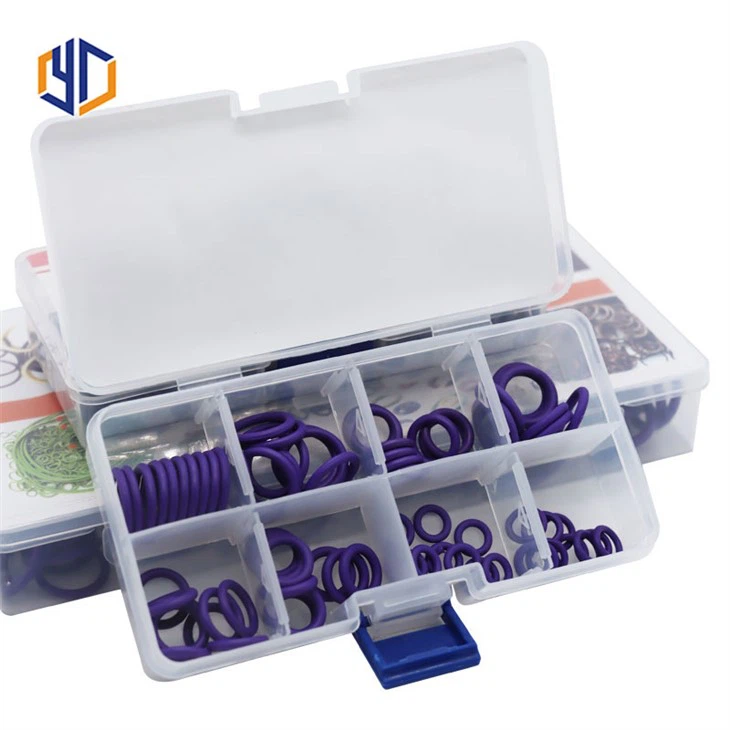
1. Silicone O Ring Kit
Silicone rubber has excellent low-temperature flexibility, with a glass transition temperature as low as -60°C to -120°C. It also offers good resistance to ozone, weathering, and high temperatures. You can find more information about Silicone O Ring Kit.
2. Fluorosilicone Rubber
Fluorosilicone rubber combines the low-temperature flexibility of silicone rubber with the chemical resistance of fluorocarbon rubber. It is suitable for applications where both low-temperature performance and chemical resistance are required.
3. Ethylene Propylene Diene Monomer (EPDM)
EPDM rubber has good low-temperature properties, with a glass transition temperature of around -40°C to -50°C. It also offers excellent resistance to weathering, ozone, and steam.
Conclusion
In conclusion, NBR O Ring Kits can be suitable for certain low-temperature applications, especially those with moderate temperature requirements and short exposure times. However, careful consideration of factors such as acrylonitrile content, compression set, fluid compatibility, and installation conditions is necessary to ensure reliable sealing performance. In more severe low-temperature environments, alternative rubber materials may be more appropriate.
As a supplier of NBR O Ring Kits, we offer a wide range of products to meet the diverse needs of our customers. Our technical team is available to provide expert advice on material selection and application-specific requirements. If you are interested in our NBR O Ring Kits or have any questions about their suitability for low-temperature applications, please feel free to contact us for further discussion and procurement. We also offer Custom O Ring Kit and Automotive O Ring Kit to meet your specific needs.
References
- "Handbook of Elastomers," Second Edition, Edited by Henry H. Kausch
- "Rubber Technology: Compounding, Vulcanization, and Testing," By K. C. Das
- "Sealing Technology Handbook," By John H. Bickford