

Hey there! As a supplier of TC NBR Oil Seals, I've seen my fair share of issues that customers run into. In this blog, I'm gonna share some tips on how to troubleshoot problems with a TC NBR Oil Seal. Whether you're a mechanic, an engineer, or just someone who's dealing with a seal issue, these insights should come in handy.
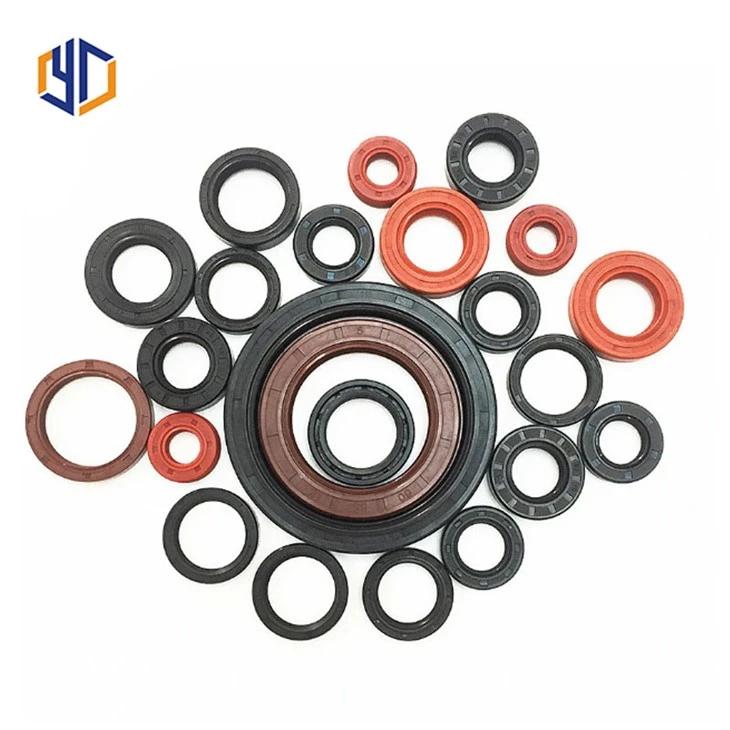
First off, let's talk about what a TC NBR Oil Seal is. A TC NBR Oil Seal is a type of oil seal made from Nitrile Butadiene Rubber (NBR). The "TC" stands for a specific design feature, which usually means it has a rubber-covered outer diameter and a spring-loaded lip. These seals are commonly used in automotive, industrial, and other applications to prevent the leakage of oil and other fluids.
Common Problems and Solutions
1. Leakage
Leakage is probably the most common problem you'll encounter with an oil seal. There are several reasons why a TC NBR Oil Seal might start leaking.
- Installation Issues: One of the most common causes of leakage is improper installation. If the seal isn't installed correctly, it might not form a proper seal. Make sure the seal is installed straight and that there's no damage to the seal during installation. Also, check that the housing and shaft are clean and free of any burrs or scratches.
- Solution: If you suspect installation issues, carefully remove the seal and reinstall it. Follow the manufacturer's installation instructions closely. Make sure to use the right tools and techniques.
- Wear and Tear: Over time, the seal lip can wear out due to friction and exposure to oil and other fluids. This can cause the seal to lose its ability to hold back the fluid.
- Solution: If the seal is worn out, replace it with a new one. It's a good idea to regularly inspect your seals for signs of wear and replace them before they start leaking.
- Incompatible Fluids: Using the wrong type of fluid can cause the NBR material to swell or degrade, leading to leakage.
- Solution: Make sure you're using the right type of fluid for your application. Check the manufacturer's specifications for the seal to see what fluids it's compatible with.
2. Excessive Heat
Excessive heat can cause the NBR material to harden and lose its flexibility, which can lead to leakage and other problems.
- Poor Lubrication: If there's not enough lubrication between the seal lip and the shaft, it can generate heat due to friction.
- Solution: Make sure there's proper lubrication in the system. Check the oil level and quality regularly. If necessary, add more oil or change the oil.
- High Operating Temperatures: Some applications may expose the seal to high temperatures, which can be too much for the NBR material to handle.
- Solution: Consider using a different type of seal material that can withstand higher temperatures. There are other rubber compounds available that are more heat-resistant than NBR.
3. Seal Damage
Seal damage can occur during installation, operation, or due to external factors.
- Physical Damage: The seal can be damaged if it's hit or bumped during installation or operation. This can cause the seal lip to tear or the outer diameter to deform.
- Solution: If the seal is physically damaged, replace it immediately. Be careful when handling the seal to avoid any damage.
- Chemical Damage: Exposure to certain chemicals can cause the NBR material to deteriorate.
- Solution: Identify the chemical causing the damage and take steps to eliminate or reduce its exposure. You may need to use a different type of seal material that's more resistant to the chemical.
Tips for Preventing Problems
- Proper Storage: Store your TC NBR Oil Seals in a cool, dry place away from direct sunlight and heat sources. This will help prevent the material from deteriorating before installation.
- Regular Inspections: Make it a habit to regularly inspect your seals for signs of wear, damage, or leakage. Catching problems early can save you a lot of time and money in the long run.
- Use Quality Seals: As a supplier, I always recommend using high-quality TC NBR Oil Seals. Cheaper seals may not perform as well and may need to be replaced more often.
When to Contact a Supplier
If you've tried all the troubleshooting steps and you're still having problems with your TC NBR Oil Seal, it's time to contact a supplier. At our company, we have a team of experts who can help you diagnose the problem and find the right solution. Whether you need a different type of seal, installation advice, or just some general guidance, we're here to help.
If you're in the market for TC NBR Oil Seals, TC for Automotive Seals, or Standard Size TC Oil Seal, we've got you covered. We offer a wide range of high-quality seals at competitive prices. Contact us today to discuss your requirements and get a quote.

References
- "Sealing Technology Handbook" by John H. Birkle
- Manufacturer's specifications for TC NBR Oil Seals