

Premature failure of a trailer hub oil seal can lead to significant problems, including costly repairs, downtime, and potential safety hazards. As a leading supplier of Trailer Hub Oil Seal, I understand the importance of preventing such failures. In this blog post, I will share some valuable insights and practical tips on how to prevent premature failure of a trailer hub oil seal.
Understanding the Function of a Trailer Hub Oil Seal
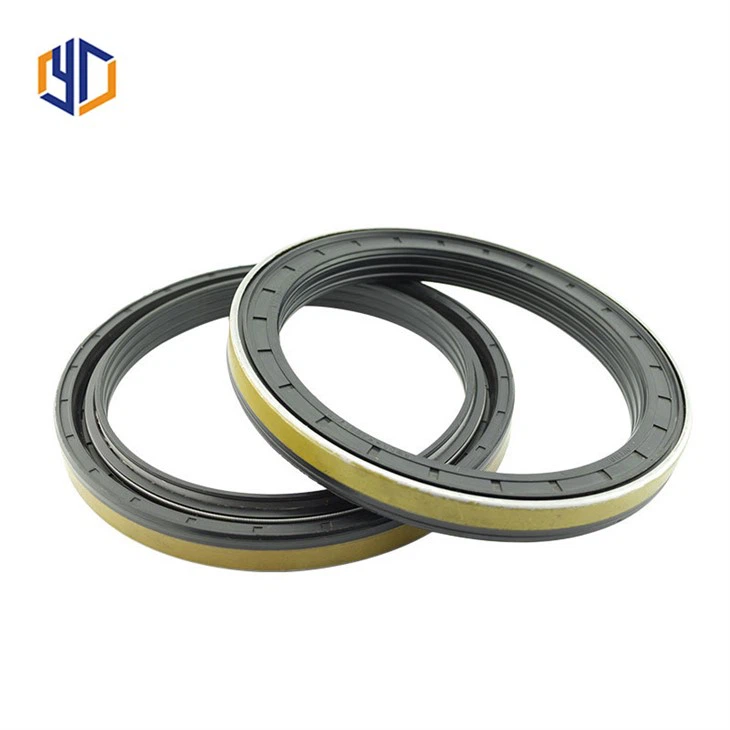
Before delving into prevention strategies, it's essential to understand the role of a trailer hub oil seal. The primary function of a trailer hub oil seal is to prevent lubricating oil from leaking out of the wheel hub and to keep contaminants, such as dirt, water, and debris, from entering the hub. This helps to maintain proper lubrication of the wheel bearings, which is crucial for smooth and efficient operation of the trailer.

Common Causes of Premature Failure
Several factors can contribute to the premature failure of a trailer hub oil seal. Some of the most common causes include:
1. Improper Installation
One of the leading causes of premature failure is improper installation. If the oil seal is not installed correctly, it may not form a proper seal, leading to oil leakage and contamination. This can occur if the seal is not seated properly, if the installation tools are not used correctly, or if the mating surfaces are not clean and free of debris.
2. Overloading
Overloading the trailer can put excessive stress on the wheel bearings and oil seals. This can cause the seals to deform or wear out more quickly, leading to premature failure. It's important to ensure that the trailer is loaded within its recommended capacity to prevent overloading.
3. Contamination
Contamination is another significant factor that can cause premature failure. Dirt, water, and debris can enter the wheel hub through damaged or worn seals, leading to corrosion and damage to the bearings. This can also cause the seals to wear out more quickly, reducing their effectiveness.
4. Poor Quality Seals
Using low-quality or inferior oil seals can also contribute to premature failure. These seals may not be made from the right materials or may not be designed to withstand the harsh conditions of trailer operation. It's important to choose high-quality seals from a reputable supplier to ensure long-lasting performance.
5. Lack of Maintenance
Regular maintenance is essential for preventing premature failure of trailer hub oil seals. This includes inspecting the seals regularly for signs of wear or damage, replacing them as needed, and ensuring that the wheel bearings are properly lubricated. Failure to perform regular maintenance can lead to premature failure and costly repairs.
Prevention Strategies
Now that we understand the common causes of premature failure, let's look at some strategies for preventing it.
1. Proper Installation
Proper installation is crucial for ensuring the long-term performance of a trailer hub oil seal. Here are some tips for proper installation:
- Clean the Mating Surfaces: Before installing the seal, make sure the mating surfaces are clean and free of debris. Use a clean cloth and a suitable solvent to clean the surfaces thoroughly.
- Use the Right Tools: Use the correct installation tools to ensure that the seal is installed correctly. This may include a seal installer tool or a press.
- Follow the Manufacturer's Instructions: Always follow the manufacturer's instructions for installation. This will ensure that the seal is installed correctly and that it forms a proper seal.
- Check for Proper Seating: After installation, check to make sure the seal is seated properly and that there are no gaps or leaks.
2. Avoid Overloading
To prevent overloading, make sure the trailer is loaded within its recommended capacity. Check the trailer's owner's manual or the manufacturer's specifications for the maximum load capacity. It's also important to distribute the load evenly across the trailer to prevent excessive stress on the wheel bearings and oil seals.
3. Protect Against Contamination
To protect against contamination, consider using additional protective measures, such as mud flaps or splash guards. These can help to prevent dirt, water, and debris from entering the wheel hub. It's also important to inspect the seals regularly for signs of damage or wear and to replace them as needed.
4. Choose High-Quality Seals
As a Trailer Hub Oil Seal supplier, I recommend choosing high-quality seals from a reputable manufacturer. Look for seals that are made from high-quality materials, such as nitrile rubber or fluoroelastomer, and that are designed to withstand the harsh conditions of trailer operation. These seals are more likely to provide long-lasting performance and reliability.
5. Regular Maintenance
Regular maintenance is essential for preventing premature failure of trailer hub oil seals. Here are some maintenance tips:
- Inspect the Seals Regularly: Check the seals for signs of wear, damage, or leakage. Look for cracks, tears, or signs of oil leakage around the seal.
- Replace the Seals as Needed: If the seals show signs of wear or damage, replace them immediately. It's better to replace the seals preventively than to wait for them to fail completely.
- Lubricate the Bearings: Make sure the wheel bearings are properly lubricated. Use a high-quality bearing grease that is suitable for the application.
- Check the Wheel Alignment: Proper wheel alignment is important for preventing excessive wear on the bearings and seals. Have the wheel alignment checked regularly and adjusted as needed.
Choosing the Right Trailer Hub Oil Seal
When choosing a trailer hub oil seal, it's important to consider several factors, including:
- Compatibility: Make sure the seal is compatible with the trailer's make and model. Check the manufacturer's specifications or consult with a professional to ensure a proper fit.
- Material: Choose a seal that is made from high-quality materials, such as nitrile rubber or fluoroelastomer. These materials are more resistant to wear, heat, and chemicals, making them suitable for trailer applications.
- Design: Look for a seal that is designed to provide a tight seal and prevent oil leakage. Some seals may have additional features, such as lip designs or gaskets, that can improve their performance.
- Brand Reputation: Choose a seal from a reputable brand that has a proven track record of quality and reliability. This will ensure that you are getting a high-quality product that will last.
Conclusion
Preventing premature failure of a trailer hub oil seal is essential for ensuring the safe and efficient operation of your trailer. By following the tips outlined in this blog post, you can reduce the risk of failure and extend the life of your seals. Remember to choose high-quality seals from a reputable supplier, install them correctly, and perform regular maintenance to keep your trailer running smoothly.
If you have any questions or need further assistance in choosing the right Trailer Hub Oil Seal for your trailer, please don't hesitate to contact us. We are a leading supplier of high-quality trailer hub oil seals and other related products, and we are committed to providing our customers with the best products and services. Contact us today to discuss your needs and to get a quote.
References
- "Trailer Maintenance Guide," Trailer Life Magazine.
- "Wheel Bearing and Seal Installation," Timken Company.
- "Preventing Premature Failure of Trailer Hub Seals," Heavy Duty Trucking Magazine.