

Inspecting an outer hub oil seal for wear and tear is a crucial maintenance task that can prevent costly repairs and ensure the smooth operation of various vehicles and machinery. As a supplier of high-quality Outer Hub Oil Seals, I understand the significance of this process and am here to guide you through it.
Understanding the Outer Hub Oil Seal
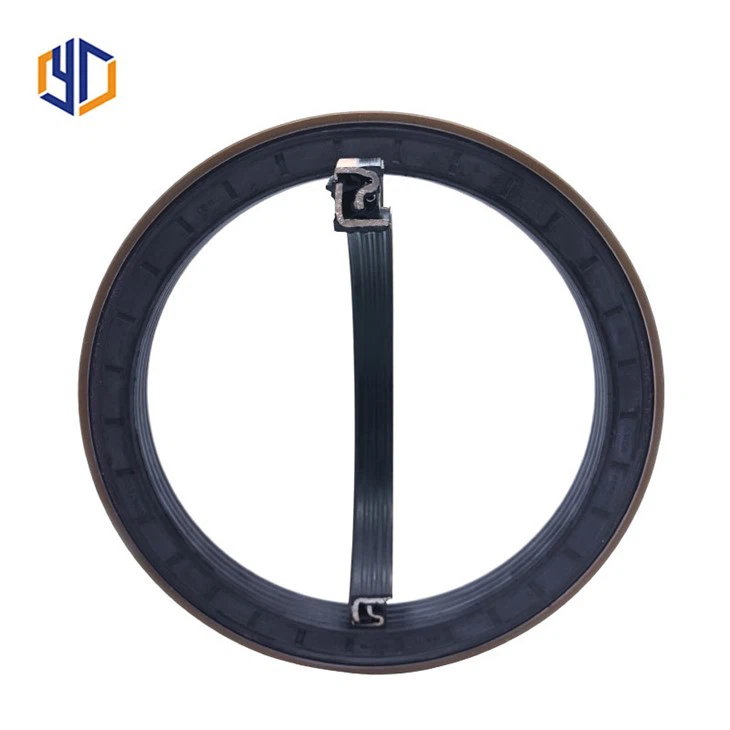
Before we dive into the inspection process, it's essential to understand what an outer hub oil seal is and its role. An Outer Hub Oil Seal is a critical component in a vehicle's wheel hub assembly. Its primary function is to prevent the leakage of lubricating oil from the wheel hub while keeping out dirt, water, and other contaminants. This helps in maintaining the proper functioning of the wheel bearings and extending their lifespan.
Tools Required for Inspection
To conduct a thorough inspection of an outer hub oil seal, you'll need the following tools:
- A clean, lint-free cloth
- A flashlight
- A small mirror (optional but useful for hard-to-reach areas)
- A pair of gloves
- A flat-tip screwdriver or a seal removal tool
Step-by-Step Inspection Process
Step 1: Prepare the Vehicle or Machinery
First, ensure that the vehicle or machinery is parked on a level surface and the engine is turned off. If it's a vehicle, engage the parking brake and chock the wheels to prevent any movement. Wear your gloves to protect your hands from dirt and grease.
Step 2: Locate the Outer Hub Oil Seal
The outer hub oil seal is typically located on the outer side of the wheel hub assembly. You may need to remove any protective covers or shields to access it. Use your flashlight to get a clear view of the seal.

Step 3: Visual Inspection
Use your clean, lint-free cloth to wipe away any dirt or debris from the surface of the outer hub oil seal. This will allow you to see any signs of wear and tear more clearly. Look for the following:
- Cracks or Tears: Inspect the rubber lip of the seal for any visible cracks or tears. These can be caused by age, heat, or excessive pressure. Even small cracks can lead to oil leakage and allow contaminants to enter the wheel hub.
- Hardening or Brittleness: Over time, the rubber material of the seal can harden or become brittle due to exposure to high temperatures and chemicals. Check if the seal feels stiff or if it breaks easily when gently bent. Hardened seals are less effective at sealing and are more likely to fail.
- Oil Leakage: Look for any signs of oil around the seal. A small amount of oil residue may be normal, but if you notice a significant amount of oil dripping or pooling, it indicates a problem with the seal. Oil leakage can not only lead to bearing damage but also pose a safety hazard.
- Worn or Damaged Lip: The lip of the seal is the part that comes into contact with the rotating shaft. Check if the lip is worn down or damaged. A worn lip may not provide a proper seal, allowing oil to escape and contaminants to enter.
Step 4: Check the Seal's Fit
Use your flat-tip screwdriver or seal removal tool to gently pry the outer hub oil seal out of its housing. Be careful not to damage the seal or the housing during this process. Once the seal is removed, inspect the housing for any signs of damage or wear. Look for scratches, grooves, or corrosion that could affect the seal's ability to fit properly.
Also, check the dimensions of the seal to ensure it is the correct size for your application. Using an incorrect seal can lead to improper sealing and premature failure.
Step 5: Reinstall or Replace the Seal
If the outer hub oil seal shows signs of significant wear and tear, it's recommended to replace it. As a supplier of Outer Hub Oil Seals, we offer a wide range of high-quality seals that are designed to meet the specific requirements of different vehicles and machinery.
Before installing the new seal, clean the seal housing thoroughly to remove any dirt, debris, or old sealant. Apply a thin layer of clean oil or grease to the lip of the new seal to help it slide into place easily. Use a seal installer or a flat surface to press the seal into the housing until it is flush with the surface.
Importance of Regular Inspections
Regularly inspecting your outer hub oil seals can help you detect problems early and prevent costly repairs. A worn or damaged seal can lead to oil leakage, which can cause the wheel bearings to overheat and fail. This can result in a loss of control while driving and pose a serious safety risk.
By inspecting your outer hub oil seals at regular intervals, you can ensure the proper functioning of your vehicle or machinery and extend the lifespan of its components.
Additional Considerations
- Compatibility: When replacing an outer hub oil seal, make sure to choose a seal that is compatible with the type of oil or lubricant used in your wheel hub. Using an incompatible seal can cause the rubber material to deteriorate and lead to premature failure.
- Installation Technique: Proper installation of the outer hub oil seal is crucial for its performance. Make sure to follow the manufacturer's instructions and use the correct tools to install the seal. Incorrect installation can cause the seal to leak or fail prematurely.
- Environmental Factors: The environment in which your vehicle or machinery operates can also affect the lifespan of the outer hub oil seal. If you frequently drive in dusty or wet conditions, the seal may be exposed to more contaminants and wear out faster. In such cases, it's recommended to inspect the seal more frequently.
Conclusion
Inspecting an outer hub oil seal for wear and tear is a relatively simple but important maintenance task. By following the steps outlined in this guide, you can ensure the proper functioning of your vehicle or machinery and prevent costly repairs.
As a leading supplier of Outer Hub Oil Seals, we are committed to providing high-quality products and excellent customer service. If you have any questions or need assistance with choosing the right seal for your application, please don't hesitate to contact us. We look forward to working with you and helping you keep your vehicles and machinery running smoothly.
If you're interested in purchasing our Outer Hub Oil Seals or any other related products such as Wheel Hub Oil Seals or Truck Wheel Hub Repair Seals, feel free to reach out to us for a quote or to discuss your specific requirements. We're here to support your procurement needs and ensure you get the best products for your applications.
References
- Automotive Maintenance and Light Repair by Nicholas Garbarino
- Modern Automotive Technology by James D. Halderman