

Hey there, folks! As a rubber strip supplier, I've seen all sorts of rubber strips in different conditions. Whether it's for cars, doors, or windows, keeping your rubber strips clean is super important. Not only does it make them look good, but it also extends their lifespan. So, today I'm gonna share with you some tips on how to clean a rubber strip.
Why Cleaning Rubber Strips Matters
Before we dive into the cleaning process, let's talk about why it's so crucial to keep your rubber strips clean. Rubber strips are often exposed to dirt, dust, UV rays, and various chemicals. Over time, these elements can cause the rubber to deteriorate, crack, or lose its elasticity. By regularly cleaning your rubber strips, you can prevent these issues and ensure they continue to perform their job effectively.
What You'll Need
First things first, gather the necessary supplies. You don't need anything fancy or expensive. Here's what you'll need:
- Mild soap or a specialized rubber cleaner: You can find rubber cleaners at most auto parts stores or home improvement centers. If you don't have one, a mild dish soap will work just fine.
- Soft-bristled brush or sponge: Avoid using abrasive brushes or sponges that can scratch the rubber.
- Clean water: You'll need plenty of water to rinse the rubber strip.
- Microfiber cloth or towel: This is great for drying the rubber strip without leaving lint behind.
Step-by-Step Cleaning Process
Now that you have all your supplies, let's get started with the cleaning process.
Step 1: Prepare the Cleaning Solution
If you're using a mild dish soap, mix a small amount with warm water in a bucket or spray bottle. If you're using a specialized rubber cleaner, follow the instructions on the label.
Step 2: Remove Loose Dirt and Debris
Before you start cleaning, use a dry cloth or a soft brush to remove any loose dirt, dust, or debris from the rubber strip. This will make the cleaning process more effective.
Step 3: Apply the Cleaning Solution
Dip your soft-bristled brush or sponge into the cleaning solution and gently scrub the rubber strip. Make sure to cover the entire surface, paying special attention to any areas that are particularly dirty or stained. You can also use a spray bottle to apply the cleaning solution directly to the rubber strip and then scrub it with a brush or sponge.
Step 4: Rinse the Rubber Strip
Once you've scrubbed the rubber strip, rinse it thoroughly with clean water. Make sure to remove all the soap or cleaner residue. You can use a hose or a bucket of water to rinse the rubber strip.
Step 5: Dry the Rubber Strip
After rinsing, use a microfiber cloth or towel to dry the rubber strip. Make sure to dry it completely to prevent water spots or mold from forming.
Special Considerations for Different Types of Rubber Strips
Not all rubber strips are created equal, and different types of rubber strips may require different cleaning methods. Here are some special considerations for a few common types of rubber strips:
EPDM Rubber Strip
EPDM (Ethylene Propylene Diene Monomer) rubber strips are commonly used in automotive and industrial applications. They are known for their excellent weather resistance and durability. To clean an EPDM rubber strip, follow the general cleaning process outlined above. However, avoid using harsh chemicals or solvents that can damage the rubber.

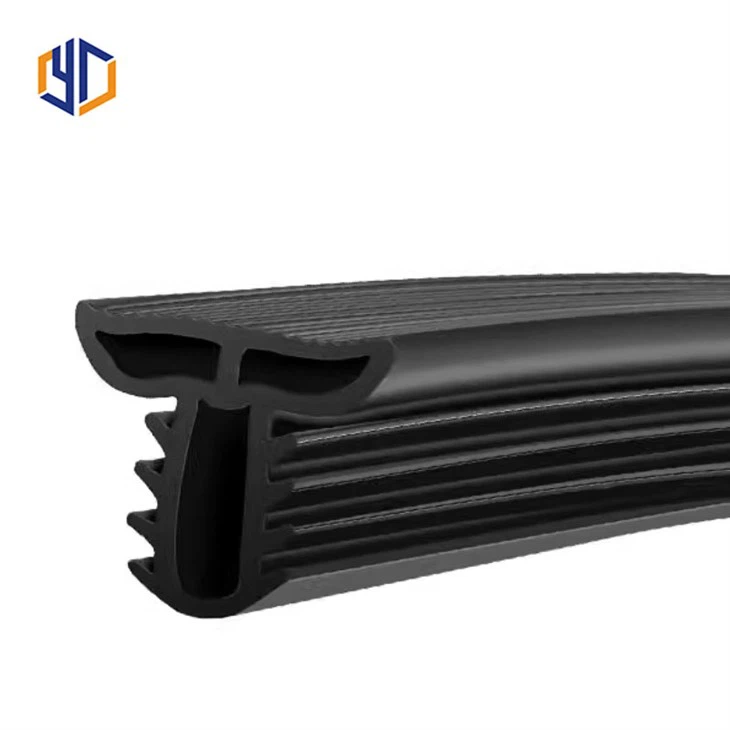
Car Bumper Rubber Strip
Car bumper rubber strips are exposed to a lot of dirt, grime, and road debris. To clean a car bumper rubber strip, start by rinsing it with water to remove any loose dirt. Then, apply a cleaning solution and scrub the rubber strip with a soft-bristled brush. Pay special attention to any areas that are stained or have built-up dirt. Rinse the rubber strip thoroughly and dry it with a microfiber cloth.
Car Windshield Rubber Strip
The car windshield rubber strip plays an important role in keeping the windshield in place and preventing water from leaking into the car. To clean a car windshield rubber strip, use a mild soap or a specialized rubber cleaner. Avoid using abrasive brushes or sponges that can scratch the rubber. Gently scrub the rubber strip with a soft-bristled brush or sponge, and then rinse it thoroughly with water. Dry the rubber strip with a microfiber cloth.
Preventive Maintenance Tips
In addition to regular cleaning, there are some preventive maintenance tips you can follow to keep your rubber strips in good condition:
- Avoid exposing the rubber strips to extreme temperatures or direct sunlight for extended periods of time.
- Keep the rubber strips away from sharp objects or abrasive surfaces that can scratch or damage them.
- Apply a rubber protectant or conditioner after cleaning to help prevent drying, cracking, and fading.
- Inspect the rubber strips regularly for any signs of damage or wear, and replace them if necessary.
Conclusion
Cleaning a rubber strip is a simple but important task that can help extend its lifespan and keep it looking and performing its best. By following the tips and techniques outlined in this blog post, you can easily clean your rubber strips and keep them in good condition.
If you're in the market for high-quality rubber strips, we're here to help. We offer a wide range of rubber strips, including EPDM Rubber Strip, Car Bumper Rubber Strip, and Car Windshield Rubber Strip. Contact us today to discuss your requirements and get a quote.
References
- "Rubber Maintenance Guide," AutoZone
- "How to Clean and Protect Rubber Seals," Good Housekeeping