

Hey there! If you're in the market for an EPDM rubber strip, you've come to the right place. I'm an EPDM rubber strip supplier, and I've seen firsthand how important it is to choose the right one for your needs. In this blog post, I'll share some tips on how to make the best choice.
Understanding EPDM Rubber
First things first, let's talk a bit about EPDM rubber. EPDM stands for Ethylene Propylene Diene Monomer. It's a synthetic rubber known for its excellent weather resistance, ozone resistance, and electrical insulation properties. This makes it a popular choice for a wide range of applications, from automotive to construction.
One of the key advantages of EPDM rubber is its durability. It can withstand extreme temperatures, from -40°F to 250°F (-40°C to 121°C), without losing its flexibility or strength. This means that EPDM rubber strips can last for a long time, even in harsh environments.
Factors to Consider When Choosing an EPDM Rubber Strip
Now that you know a bit about EPDM rubber, let's dive into the factors you should consider when choosing an EPDM rubber strip.
1. Application
The first thing you need to think about is where you'll be using the rubber strip. Different applications have different requirements. For example, if you're looking for a Car Bumper Rubber Strip, you'll need a strip that can provide good impact resistance and protection. On the other hand, if you're using it for a Car Windshield Rubber Strip, you'll need a strip that can create a tight seal to prevent water and air leakage.
In the construction industry, EPDM rubber strips are often used for sealing doors and windows. A rubber strip for door gap needs to be flexible enough to fit the gap properly and provide a good seal against dust, noise, and water.
2. Size and Dimensions
The size and dimensions of the rubber strip are crucial. You need to measure the area where you'll be installing the strip accurately. Consider the width, thickness, and length of the strip. If the strip is too wide or thick, it may not fit properly. If it's too narrow or thin, it may not provide the desired level of sealing or protection.
Most suppliers offer a variety of sizes and dimensions to choose from. Make sure to check the product specifications carefully to find the right fit for your application.

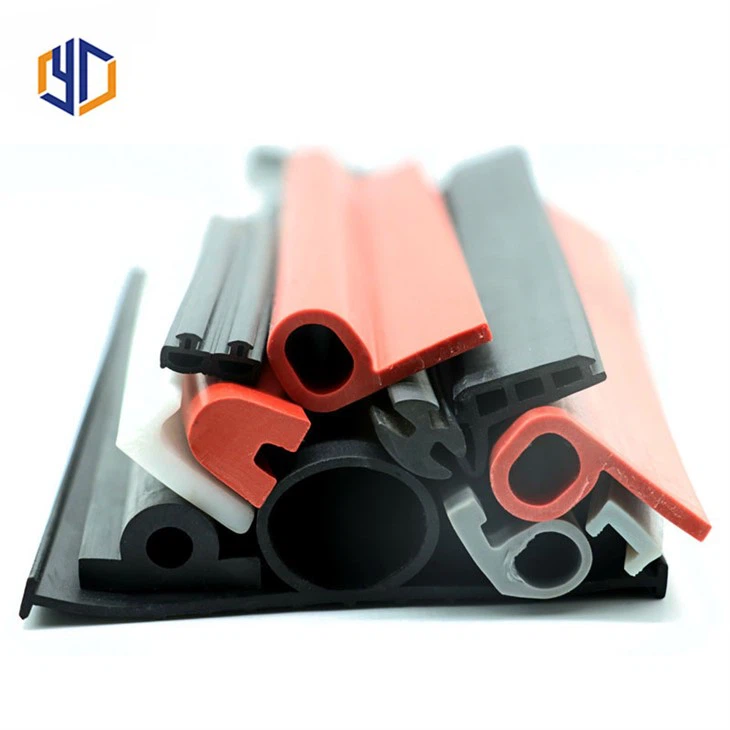
3. Hardness
The hardness of the EPDM rubber strip is measured on the Shore A scale. A lower Shore A value means the rubber is softer and more flexible, while a higher value indicates a harder and stiffer rubber.
For applications that require a lot of flexibility, such as sealing irregular surfaces, a softer rubber strip (e.g., Shore A 30 - 50) may be more suitable. On the other hand, if you need a strip that can withstand heavy pressure or abrasion, a harder rubber strip (e.g., Shore A 60 - 80) may be a better choice.
4. Color
While color may not seem like a critical factor, it can be important in some applications. For example, in automotive applications, you may want a rubber strip that matches the color of the car or the surrounding components. Most suppliers offer a range of colors to choose from, so you can find one that meets your aesthetic requirements.
5. Quality and Certification
It's essential to choose a high - quality EPDM rubber strip. Look for a supplier that uses high - grade raw materials and has strict quality control measures in place. A good quality rubber strip will be more durable and perform better over time.
Certifications can also be a good indicator of quality. For example, look for strips that meet industry standards such as ASTM or ISO. These certifications ensure that the product has been tested and meets certain quality and performance criteria.
Our EPDM Rubber Strips
As an EPDM rubber strip supplier, we take pride in offering high - quality products. We have a wide range of EPDM rubber strips available in different sizes, hardness levels, and colors to meet your specific needs.
Our rubber strips are made from premium EPDM rubber, which ensures excellent weather resistance, ozone resistance, and durability. We also have a team of experts who can help you choose the right strip for your application. Whether you need a Car Bumper Rubber Strip, a Car Windshield Rubber Strip, or a rubber strip for door gap, we've got you covered.
Installation Tips
Once you've chosen the right EPDM rubber strip, proper installation is key to ensuring its performance. Here are some general installation tips:
- Clean the surface where you'll be installing the strip thoroughly. Remove any dirt, grease, or debris to ensure good adhesion.
- Measure and cut the strip to the correct length. Use a sharp knife or scissors for a clean cut.
- Apply a suitable adhesive if required. Make sure to follow the adhesive manufacturer's instructions for the best results.
- Press the strip firmly onto the surface, starting from one end and working your way to the other. Smooth out any air bubbles or wrinkles as you go.
Conclusion
Choosing the right EPDM rubber strip is crucial for the success of your project. By considering factors such as application, size, hardness, color, and quality, you can make an informed decision. As an EPDM rubber strip supplier, we're here to help you every step of the way. If you have any questions or need further assistance in choosing the right strip for your needs, don't hesitate to reach out. We're ready to start a conversation and help you find the perfect EPDM rubber strip for your application. Let's work together to get your project up and running smoothly!
References
- ASTM International. (Year). Standard specifications for EPDM rubber products.
- ISO (International Organization for Standardization). (Year). Quality management standards for rubber manufacturing.