

As a supplier of TC NBR Oil Seals, I often get asked about the service life of these crucial components. The service life of a TC NBR Oil Seal can vary significantly depending on multiple factors, and in this blog, I'll delve into these aspects to provide you with a comprehensive understanding.
What is a TC NBR Oil Seal?
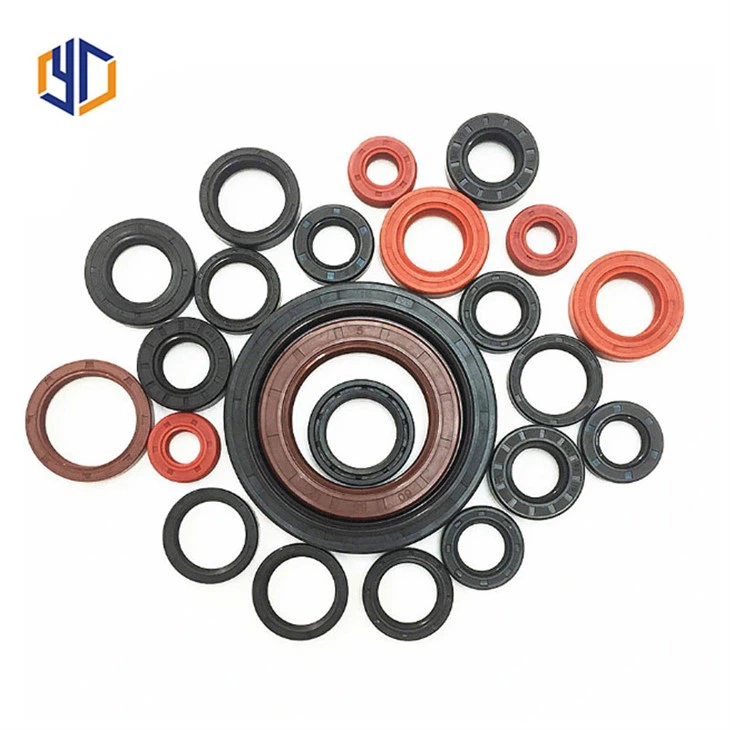
Before we discuss the service life, let's briefly introduce what a TC NBR Oil Seal is. A TC NBR Oil Seal is a type of mechanical seal that uses Nitrile Butadiene Rubber (NBR) as its sealing material. The "TC" in the name typically refers to a design with a rubber-covered outside diameter and a spring-loaded lip, which provides excellent sealing performance in various applications. You can find more detailed information about TC NBR Oil Seal on our website.

Factors Affecting the Service Life
1. Operating Conditions
- Temperature: Temperature is one of the most critical factors. NBR has a certain temperature range within which it can perform optimally. Generally, NBR can operate effectively between -40°C to 100°C. If the operating temperature exceeds this range, the rubber can harden or become too soft. At high temperatures, the rubber may lose its elasticity, leading to leaks. Conversely, at extremely low temperatures, the rubber may become brittle and crack. For example, in automotive engines where the temperature can reach high levels during operation, if the oil seal is not designed to withstand these temperatures, its service life will be significantly reduced.
- Pressure: The pressure acting on the oil seal also plays a vital role. Higher pressures can cause the seal to deform, and if the pressure is too high, it may even lead to the failure of the seal. In hydraulic systems, for instance, the pressure can be quite high, and the oil seal needs to be able to withstand these pressures without leaking. If the pressure fluctuates frequently, it can also accelerate the wear and tear of the seal.
- Speed: The rotational speed of the shaft that the oil seal is sealing against affects its service life. Higher speeds generate more friction between the seal lip and the shaft, which can lead to increased wear. The heat generated by the friction can also cause the rubber to degrade over time. In high - speed machinery such as turbines, the oil seals need to be designed to handle the high rotational speeds to ensure a longer service life.
2. Fluid Compatibility
- Type of Fluid: The type of fluid that the oil seal is in contact with is crucial. NBR is compatible with a wide range of oils and fuels, but it may not be suitable for all types of fluids. For example, if the seal is exposed to certain chemicals or solvents that are not compatible with NBR, it can cause the rubber to swell, shrink, or dissolve. In chemical processing plants, where various chemicals are used, choosing the right oil seal material is essential to ensure a long service life.
- Fluid Contamination: Contaminants in the fluid can also have a negative impact on the oil seal. Particles such as dirt, metal shavings, or sand can act as abrasives, scratching the seal lip and causing leaks. In industrial applications where the fluid may be contaminated with debris, proper filtration systems are necessary to protect the oil seals and extend their service life.
3. Installation and Maintenance
- Installation: Proper installation is crucial for the service life of an oil seal. If the seal is not installed correctly, it can be damaged during the installation process. For example, if the seal is not centered properly on the shaft or if it is installed with excessive force, it can cause the seal lip to be misaligned or damaged. This can lead to premature failure of the seal.
- Maintenance: Regular maintenance can significantly extend the service life of an oil seal. This includes checking the fluid level and quality, inspecting the seal for signs of wear or damage, and replacing the seal when necessary. In a manufacturing plant, a preventive maintenance schedule can be established to ensure that the oil seals are in good condition and to replace them before they fail.
Typical Service Life Expectations
Under normal operating conditions, which include a stable temperature within the suitable range for NBR, moderate pressure, and a clean fluid environment, a TC NBR Oil Seal can last anywhere from 2 to 5 years. However, this is just a rough estimate, and the actual service life can vary widely depending on the factors mentioned above.
In some well - maintained applications with ideal operating conditions, the oil seal may last even longer. For example, in a small household appliance where the operating conditions are relatively mild, the oil seal can last for many years. On the other hand, in harsh industrial environments where the temperature, pressure, and fluid conditions are extreme, the service life may be as short as a few months.
How to Extend the Service Life of TC NBR Oil Seals
- Select the Right Seal: Based on the operating conditions, select an oil seal that is designed to handle the specific temperature, pressure, speed, and fluid compatibility requirements. Our TC Oil Seal Catalog provides detailed information about different types of oil seals, and you can choose the most suitable one for your application.
- Proper Installation: Follow the manufacturer's installation instructions carefully. Use the right tools and ensure that the seal is installed correctly. If you are unsure about the installation process, our technical support team can provide you with guidance.
- Regular Maintenance: Establish a regular maintenance schedule. Check the fluid level and quality, and inspect the oil seals for signs of wear or damage. Replace the seals at the recommended intervals to prevent leaks and ensure the proper operation of your equipment.
- Improve the Operating Environment: Try to control the operating conditions as much as possible. Use proper cooling systems to maintain the temperature within the suitable range, install filtration systems to keep the fluid clean, and ensure that the pressure and speed are within the design limits of the oil seal.
Our Spot TC Oil Seal Offerings
We also offer Spot TC Oil Seal solutions for those who need immediate replacement or small - quantity orders. Our spot seals are of the same high quality as our regular products, and we can provide them quickly to minimize your downtime.
Contact Us for Procurement
If you are interested in purchasing TC NBR Oil Seals or have any questions about their service life and application, we are here to help. Our team of experts can provide you with detailed technical information and assist you in choosing the right oil seals for your specific needs. We look forward to discussing your requirements and working with you to ensure the long - term performance of your equipment.
References
- "Rubber Seals Handbook" by Karl - Heinz Ziegel.
- "Mechanical Seals: Principles and Applications" by D. S. Campbell.