

Hey there, folks! I'm part of a supplier that specializes in TC for Automotive Seals. Today, I wanna dive into how TC interacts with other components in automotive seals.
The Basics of TC in Automotive Seals
First off, let's quickly go over what TC is. TC, or Twin Lip Contact, is a key feature in many automotive seals. It's designed to provide a better seal and prevent leakage of fluids like oil and grease. Our company has been in the game for a while, and we've seen firsthand how important TC is in keeping automotive systems running smoothly.
Interaction with the Shaft
One of the most critical interactions is between the TC seal and the shaft. The shaft is like the heart of the automotive system, and the TC seal needs to work in harmony with it. The twin - lip design of the TC seal makes it really good at hugging the shaft tightly. This close contact helps to keep contaminants out and the lubricants in.
When the shaft rotates, the TC seal has to adapt to the movement. It needs to maintain its sealing performance even at high speeds. Our Spot TC Oil Seal is a great example. It's engineered to handle the dynamic forces generated by the rotating shaft. The special materials we use in these seals can withstand the friction and heat that comes with shaft rotation.
Interaction with the Housing
The housing is another important component that the TC seal interacts with. The housing provides the outer boundary for the seal and the shaft. The TC seal needs to fit snugly into the housing to create an effective seal.
We offer Standard Size TC Oil Seal which are designed to match the standard dimensions of most automotive housings. This ensures a proper fit and reduces the risk of leakage. The seal has to be able to withstand the pressure from the housing and the forces exerted during the operation of the vehicle.
The interaction between the TC seal and the housing also involves preventing the ingress of dirt and water. The housing can sometimes be exposed to harsh environmental conditions, and the TC seal acts as a barrier. It keeps the internal components of the automotive system clean and protected.
Interaction with Lubricants
Lubricants play a crucial role in the performance of automotive seals. The TC seal needs to work well with the lubricants used in the system. Different types of lubricants have different properties, and the TC seal has to be compatible with them.
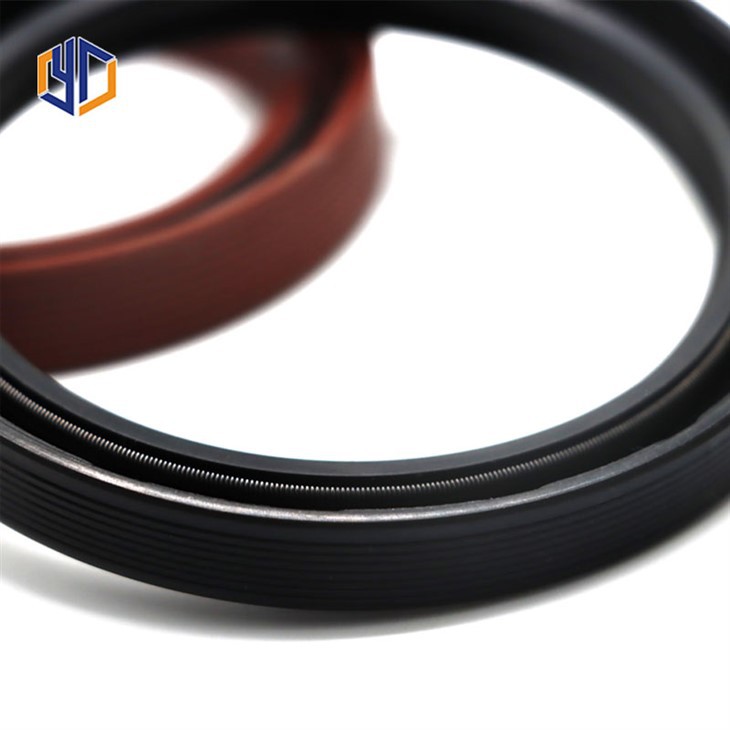

Our TC NBR Oil Seal is made from Nitrile Butadiene Rubber (NBR), which is known for its good compatibility with a wide range of lubricants. The lubricant helps to reduce the friction between the seal and the shaft, which in turn extends the lifespan of the seal. At the same time, the TC seal has to prevent the lubricant from leaking out. It's a delicate balance, but our seals are designed to achieve it.
Impact of Material Compatibility
Material compatibility is a big deal when it comes to how TC interacts with other components. The materials used in the TC seal need to be able to withstand the chemical and physical properties of the other components.
For example, if the shaft is made of a certain type of metal, the TC seal material has to be resistant to corrosion caused by that metal. Similarly, the housing material can also affect the performance of the TC seal. Our R&D team spends a lot of time testing different material combinations to ensure that our TC seals work well in various automotive applications.
Temperature and Pressure Considerations
Automotive systems operate under a wide range of temperatures and pressures. The TC seal has to be able to maintain its sealing performance under these varying conditions.
At high temperatures, the materials in the TC seal can expand or become more flexible. Our seals are designed to handle these changes without losing their sealing ability. Similarly, under high pressure, the TC seal has to resist deformation and maintain its contact with the shaft and the housing.
The Role of Design in Interaction
The design of the TC seal also plays a huge role in how it interacts with other components. The shape and dimensions of the seal are carefully engineered to optimize its performance.
The twin - lip design not only provides better sealing but also helps to distribute the pressure evenly across the seal. This reduces the risk of localized wear and tear. Our designers use advanced software and simulation tools to model the interaction between the TC seal and other components. This allows us to make improvements and ensure that our seals meet the highest standards.
Quality Control and Testing
To make sure that our TC seals interact well with other components, we have a strict quality control process. We test our seals under various conditions to simulate real - world automotive applications.
We conduct leak tests, friction tests, and temperature tests. These tests help us to identify any potential issues and make necessary adjustments. Our goal is to provide our customers with TC seals that are reliable and perform well in their automotive systems.
The Importance of Continuous Improvement
The automotive industry is constantly evolving, and so are the requirements for automotive seals. We're always looking for ways to improve our TC seals and their interaction with other components.
We keep an eye on the latest research and development in the field. We also listen to our customers' feedback to understand their needs better. By continuously improving our products, we can stay ahead in the market and provide the best solutions for our customers.
Let's Talk Business
If you're in the market for high - quality TC for Automotive Seals, we'd love to have a chat. Whether you're looking for Spot TC Oil Seal, Standard Size TC Oil Seal, or TC NBR Oil Seal, we've got you covered. Contact us to start a discussion about your specific requirements and let's work together to find the best solutions for your automotive applications.
References
- Smith, J. (2020). Automotive Sealing Technology. Automotive Press.
- Brown, A. (2019). Materials for Automotive Seals. Material Science Journal.