

Hey there, fellow automotive enthusiasts! I'm a supplier of TC for Automotive Seals, and today I'm super stoked to chat with you about how TC in automotive seals performs in different road conditions.

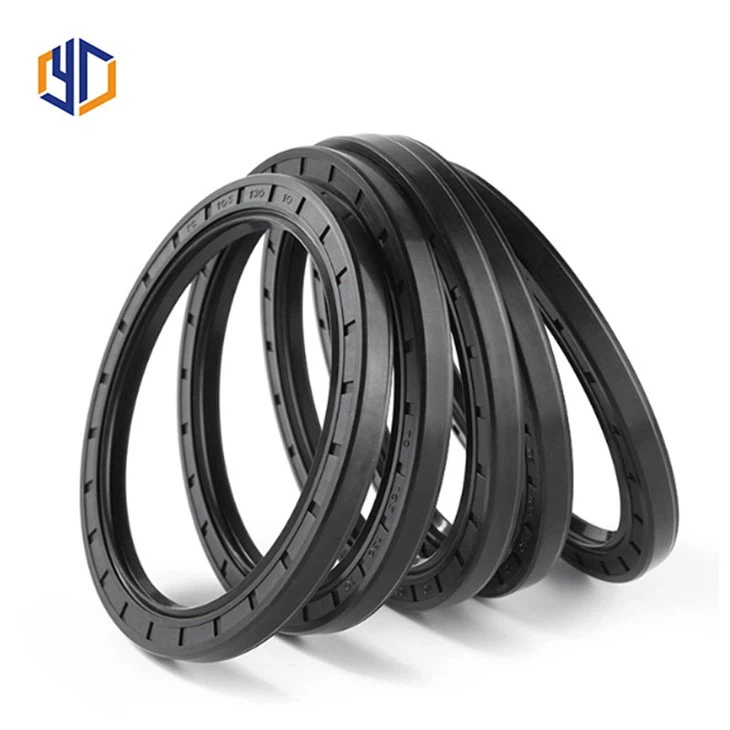
First off, let's quickly understand what TC in automotive seals is. TC stands for "Torque Control" in a broad sense when it comes to these seals. It's a crucial component that helps maintain the integrity of various automotive systems by preventing leaks, keeping contaminants out, and ensuring smooth operation.
City Streets
City driving is a whole different ballgame. You've got a lot of stop - and - go traffic, short trips, and a bunch of potholes and speed bumps. In these conditions, TC in automotive seals has to work hard.
The constant starting and stopping means that the seals are subjected to a lot of pressure changes. The engine and other mechanical parts are constantly accelerating and decelerating, which can cause vibrations. TC seals are designed to handle these vibrations effectively. They have a certain level of flexibility that allows them to adapt to the changing pressures and movements within the automotive system.
For example, in the engine's oil system, a TC NBR Oil Seal helps keep the oil where it belongs. The rubber material in the NBR (Nitrile Butadiene Rubber) seal is combined with the TC technology to provide a tight seal. This prevents oil from leaking out, which is especially important in city driving where the engine might be idling for long periods at traffic lights.
Another aspect is the presence of potholes and speed bumps. When your car hits a pothole, it creates a sudden jolt. The TC in the seals helps to absorb some of the shock and maintain the seal's integrity. This is crucial for components like the suspension system, where seals prevent dirt and water from entering the shock absorbers. If these seals fail, it can lead to a decrease in the performance of the suspension, making your ride bumpier and potentially causing damage to other parts of the car.
Highway Driving
Highway driving is a bit more relaxed for the car in some ways, but it also presents its own challenges for TC in automotive seals. At high speeds, the air pressure around the car changes significantly. The seals need to be able to withstand these pressure differentials.
When you're cruising on the highway, the engine is running at a relatively constant speed. This is great for the overall performance of the car, but the seals still have to work hard. The Standard Size TC Oil Seal in the transmission system, for instance, has to maintain a proper seal to ensure that the transmission fluid doesn't leak. The high - speed rotation of the gears generates heat, and the TC technology in the seal helps to dissipate this heat while keeping the fluid inside.
Moreover, the wind resistance at high speeds can cause the car to vibrate slightly. The TC in the seals helps to dampen these vibrations and keep the components in place. This is important for the safety and comfort of the passengers. If the seals in the doors or windows fail due to the high - speed vibrations, it can lead to wind noise and even water leakage during rainy conditions.
Off - Road Conditions
Off - road driving is the ultimate test for TC in automotive seals. You're dealing with rough terrains, mud, dust, and extreme temperatures.
In muddy conditions, the seals have to prevent mud and water from entering the car's vital components. The TC technology in the seals creates a strong barrier. For example, the seals in the wheel hubs need to keep the mud out to prevent damage to the bearings. A TC for Automotive Seals with the right design can effectively keep the contaminants at bay.
Dust is another major issue in off - road environments. Fine dust particles can easily find their way into the engine and other systems if the seals are not up to the task. The TC in the seals is designed to have a tight fit and a self - cleaning mechanism in some cases. This helps to prevent dust from settling on the seal and eventually causing it to fail.
Extreme temperatures are also a factor. In hot desert conditions, the seals need to withstand high temperatures without losing their elasticity. In cold mountainous regions, they need to remain flexible. The TC technology takes these temperature variations into account during the manufacturing process, ensuring that the seals perform well in all conditions.
Snowy and Icy Conditions
Snow and ice bring their own set of challenges. The cold temperatures can make the rubber in the seals more brittle. However, the TC in automotive seals is engineered to maintain its flexibility even in freezing conditions.
In snowy conditions, the seals around the doors and windows need to prevent snow and water from entering the car's interior. The TC technology helps to create a tight seal that can withstand the pressure of the snow build - up.
On icy roads, the car's braking system is under a lot of stress. The seals in the brake system need to be in top condition to ensure proper braking performance. The TC in these seals helps to maintain the hydraulic pressure within the brake lines, which is crucial for safe driving in icy conditions.
Why Choose Our TC for Automotive Seals?
As a supplier of TC for Automotive Seals, we've put a lot of effort into research and development. Our seals are designed to meet the highest standards of quality and performance.
We use the latest technology and the best materials to ensure that our seals can handle all types of road conditions. Whether you're a daily city driver, a long - distance highway cruiser, an off - road adventurer, or someone who has to deal with snow and ice, our TC in automotive seals will not let you down.
If you're in the market for high - quality automotive seals, I highly recommend reaching out to us for a chat. We can provide you with detailed information about our products, answer any questions you might have, and even offer customized solutions based on your specific needs. So, don't hesitate to contact us for all your automotive seal requirements.
References
- Automotive Sealing Technology Handbook, Second Edition by John H. Bickel
- Rubber Seals for Automotive Applications: Design, Testing, and Performance by David Crolla