

Dirt and debris are ubiquitous in various industrial and automotive environments. As a supplier of Outer Hub Oil Seals, I've witnessed firsthand how these seemingly insignificant particles can have a profound impact on the performance and lifespan of these crucial components. In this blog, we'll delve into the science behind how dirt and debris affect an Outer Hub Oil Seal, exploring the mechanisms at play and the consequences for your equipment.
Understanding the Role of Outer Hub Oil Seals
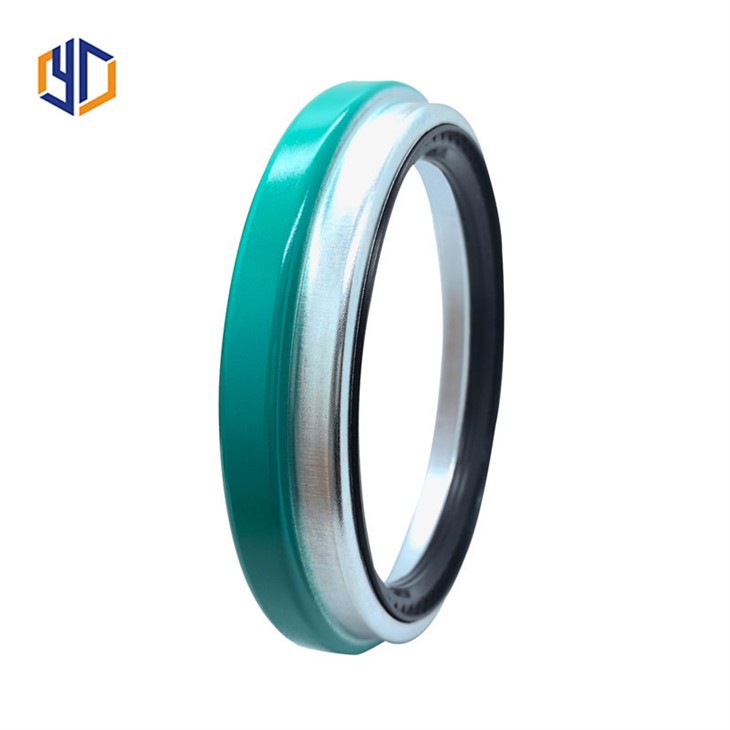
Before we discuss the effects of dirt and debris, it's essential to understand the function of an Outer Hub Oil Seal. These seals are designed to prevent the leakage of lubricants, such as oil or grease, from the wheel hub assembly while keeping contaminants out. They are typically installed on the outer side of the wheel hub, providing a barrier between the internal components and the external environment.
Outer Hub Oil Seals play a critical role in maintaining the integrity of the wheel hub assembly. By preventing lubricant leakage, they ensure that the bearings and other moving parts are properly lubricated, reducing friction and wear. At the same time, they protect these components from dirt, water, and other contaminants that could cause damage or premature failure.
You can learn more about Outer Hub Oil Seals on our website: Outer Hub Oil Seal.
How Dirt and Debris Enter the Seal
Dirt and debris can enter the Outer Hub Oil Seal through various pathways. In automotive applications, for example, the seal is exposed to road dust, mud, water, and other contaminants. These particles can be carried by the airflow around the vehicle or splashed onto the seal during wet conditions. In industrial settings, the seal may be exposed to dust, metal shavings, and other debris generated by manufacturing processes or equipment operation.
One of the primary ways dirt and debris enter the seal is through the dynamic interface between the seal lip and the rotating shaft. As the shaft rotates, it creates a small gap between the seal lip and the shaft surface. This gap, although designed to be minimal, can allow small particles to enter the seal. Additionally, vibrations and misalignments can cause the seal lip to lift slightly, creating a larger opening for contaminants to enter.
Another way dirt and debris can enter the seal is through the static interface between the seal and the housing. If the seal is not properly installed or if the housing is damaged or worn, contaminants can seep into the seal through the gaps or cracks.
Effects of Dirt and Debris on the Seal
Once dirt and debris enter the Outer Hub Oil Seal, they can have several detrimental effects on its performance and lifespan.
Abrasion
One of the most significant effects of dirt and debris on the seal is abrasion. The hard particles can act like sandpaper, wearing away the seal lip and the shaft surface. Over time, this abrasion can cause the seal lip to lose its shape and flexibility, reducing its ability to maintain a proper seal. As a result, lubricant leakage may occur, leading to increased friction and wear on the bearings and other moving parts.
Corrosion
Dirt and debris can also contain corrosive substances, such as salts and acids. When these substances come into contact with the seal material, they can cause corrosion and degradation. Corrosion can weaken the seal structure, making it more susceptible to damage and failure. In addition, corrosion can also affect the performance of the seal by reducing its ability to resist pressure and temperature changes.
Seal Lip Damage
The presence of dirt and debris can cause physical damage to the seal lip. Sharp particles can cut or tear the seal lip, creating leaks and reducing the seal's effectiveness. Even small particles can cause micro-damage to the seal lip, which can accumulate over time and lead to premature failure.
Contamination of Lubricant
Dirt and debris that enter the seal can contaminate the lubricant inside the wheel hub assembly. Contaminated lubricant can lose its lubricating properties, increasing friction and wear on the bearings and other moving parts. In addition, the contaminants can cause chemical reactions with the lubricant, leading to the formation of sludge and deposits. These deposits can clog the lubrication passages and reduce the flow of lubricant, further increasing the risk of damage and failure.
Consequences for Equipment
The effects of dirt and debris on the Outer Hub Oil Seal can have serious consequences for the equipment.

Reduced Performance
As the seal begins to fail due to the presence of dirt and debris, the performance of the equipment can be significantly reduced. Lubricant leakage can cause increased friction and heat, which can lead to reduced efficiency and power output. In addition, the contamination of the lubricant can cause the bearings and other moving parts to wear out faster, further reducing the performance of the equipment.
Increased Maintenance Costs
The failure of the Outer Hub Oil Seal can lead to increased maintenance costs. When the seal fails, it needs to be replaced, which can be a time-consuming and expensive process. In addition, the damage caused by the dirt and debris to the bearings and other moving parts may also require repairs or replacements, further increasing the maintenance costs.
Equipment Downtime
In some cases, the failure of the Outer Hub Oil Seal can cause the equipment to break down completely, resulting in downtime. Equipment downtime can be costly for businesses, as it can lead to lost production, missed deadlines, and increased operating costs.
Preventing the Effects of Dirt and Debris
To prevent the effects of dirt and debris on the Outer Hub Oil Seal, it's important to take proactive measures.
Proper Installation
Proper installation of the Outer Hub Oil Seal is crucial to its performance and lifespan. Make sure to follow the manufacturer's instructions carefully and use the correct tools and techniques. Ensure that the seal is installed in the correct position and that it is properly seated in the housing.
Regular Inspection
Regular inspection of the Outer Hub Oil Seal is essential to detect any signs of damage or wear early. Check the seal for any signs of leakage, abrasion, or damage to the seal lip. If you notice any problems, replace the seal immediately.
Use of Protective Shields
In some applications, it may be beneficial to use protective shields to prevent dirt and debris from reaching the Outer Hub Oil Seal. These shields can be made of metal, plastic, or rubber and can be installed around the seal to provide an additional layer of protection.
High-Quality Seals
Using high-quality Outer Hub Oil Seals can also help to prevent the effects of dirt and debris. Look for seals that are made from high-quality materials and that are designed to withstand the specific operating conditions of your equipment.
You can find a wide range of high-quality Outer Hub Oil Seals on our website, including Truck Wheel Hub Repair Seals and Wheel Hub Oil Seal.
Conclusion
Dirt and debris can have a significant impact on the performance and lifespan of an Outer Hub Oil Seal. By understanding the mechanisms by which dirt and debris enter the seal and the effects they can have, you can take proactive measures to prevent these problems. Proper installation, regular inspection, use of protective shields, and the use of high-quality seals are all important steps in ensuring the long-term performance and reliability of your equipment.
If you're in the market for high-quality Outer Hub Oil Seals or have any questions about how to protect your seals from dirt and debris, please don't hesitate to contact us. We're here to help you find the right solutions for your needs.
References
- "Sealing Technology Handbook" by John H. Bickford
- "Automotive Sealing Systems" by Klaus K. Bauer
- "Industrial Sealing Technology" by Peter J. Martini