

Do car door panel fasteners require lubrication? This is a question that many car enthusiasts, mechanics, and even vehicle owners often ponder. As a supplier of car door panel fasteners, I've had the opportunity to delve deep into this topic and gather insights from various perspectives. In this blog post, I'll share my knowledge and experiences to help you understand whether lubrication is necessary for these crucial components.
Understanding Car Door Panel Fasteners
Car door panel fasteners come in a wide variety of types, each designed to serve a specific purpose. From Car Interior Nylon Clip that hold the interior trim in place to Christmas Tree Nylon Clip used for securing various parts of the door panel, and Guard Plate Clips Full Size for Car Door that protect the door from scratches and damage, these fasteners play a vital role in the overall functionality and aesthetics of the car door.

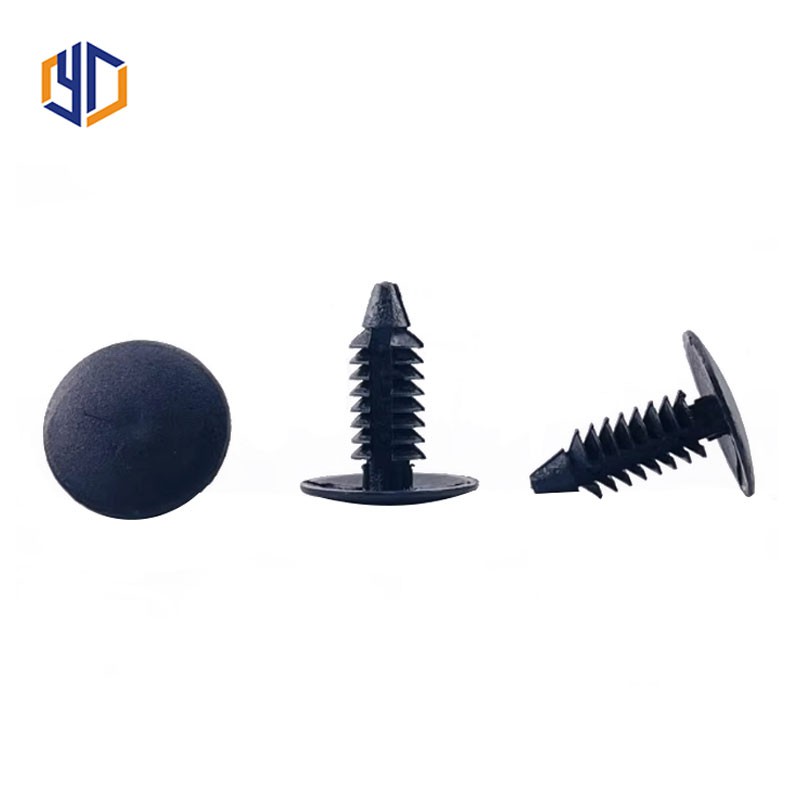
These fasteners are typically made from materials such as nylon, plastic, or metal, chosen for their durability, strength, and resistance to corrosion. They are engineered to provide a secure and tight fit, ensuring that the door panel remains firmly attached to the car body. However, over time, factors such as temperature changes, vibrations, and repeated use can cause wear and tear on these fasteners, potentially leading to loosening or even failure.
The Case for Lubrication
One of the primary arguments in favor of lubricating car door panel fasteners is to reduce friction. When a fastener is inserted or removed, friction can cause damage to the threads or the surface of the fastener and the mating part. This can lead to premature wear, stripping of the threads, or difficulty in installation and removal. By applying a lubricant, the friction between the fastener and the mating surface is reduced, making it easier to install and remove the fastener without causing damage.
Lubrication can also help to prevent corrosion. Many car door panel fasteners are exposed to moisture, salt, and other corrosive elements, especially in areas with harsh weather conditions. Corrosion can weaken the fastener, leading to failure and potentially compromising the safety and integrity of the door panel. A good lubricant can act as a protective barrier, preventing moisture and other corrosive substances from coming into contact with the fastener and extending its lifespan.
In addition, lubrication can improve the overall performance of the fastener. A well-lubricated fastener is less likely to loosen due to vibrations, ensuring a more secure and stable connection. This can help to reduce noise and rattling from the door panel, enhancing the comfort and driving experience.
The Case Against Lubrication
While there are valid reasons to lubricate car door panel fasteners, there are also some potential drawbacks to consider. One of the main concerns is that lubrication can attract dirt, dust, and debris. Over time, these particles can accumulate on the lubricated surface, forming a gritty mixture that can actually increase friction and wear on the fastener. This can negate the benefits of lubrication and potentially cause more problems than it solves.
Another issue is that some lubricants may not be compatible with the materials used in car door panel fasteners. For example, certain types of lubricants can cause plastic or nylon fasteners to swell, crack, or become brittle, reducing their strength and durability. It's important to choose a lubricant that is specifically formulated for use with the materials of the fastener to avoid any adverse effects.
Choosing the Right Lubricant
If you decide to lubricate your car door panel fasteners, it's crucial to choose the right lubricant. There are several types of lubricants available, each with its own characteristics and applications.
- Silicone-based lubricants: These lubricants are known for their excellent water resistance, high temperature stability, and low friction. They are suitable for use with a wide range of materials, including plastic and nylon, making them a popular choice for car door panel fasteners. Silicone-based lubricants also tend to be non-staining and do not attract dirt and dust as easily as some other types of lubricants.
- Graphite lubricants: Graphite is a dry lubricant that is often used in applications where a clean and non-greasy lubricant is required. It is effective at reducing friction and is resistant to high temperatures and corrosion. Graphite lubricants are particularly suitable for metal fasteners and can be applied in powder or spray form.
- Teflon-based lubricants: Teflon, also known as polytetrafluoroethylene (PTFE), is a synthetic material known for its low friction and high chemical resistance. Teflon-based lubricants can provide long-lasting lubrication and protection, making them a good choice for car door panel fasteners. However, they can be more expensive than other types of lubricants.
Best Practices for Lubrication
If you decide to lubricate your car door panel fasteners, here are some best practices to follow:
- Clean the fasteners: Before applying lubricant, make sure the fasteners and the mating surfaces are clean and free of dirt, dust, and debris. Use a clean cloth or a brush to remove any loose particles.
- Choose the right lubricant: Select a lubricant that is compatible with the materials of the fastener. Read the product label carefully to ensure that it is suitable for use on car door panel fasteners.
- Apply the lubricant sparingly: Too much lubricant can attract dirt and debris, so apply only a small amount to the threads or the surface of the fastener. Use a small brush or a cotton swab to apply the lubricant evenly.
- Re-lubricate periodically: Over time, the lubricant may wear off or become contaminated. It's a good idea to re-lubricate the fasteners periodically, especially if the car is exposed to harsh conditions or if the fasteners are frequently used.
Conclusion
So, do car door panel fasteners require lubrication? The answer is not a simple yes or no. While lubrication can offer several benefits, such as reducing friction, preventing corrosion, and improving performance, it also has some potential drawbacks. Ultimately, the decision to lubricate your car door panel fasteners depends on several factors, including the type of fastener, the materials used, the environmental conditions, and your personal preferences.
If you're unsure whether lubrication is right for your car door panel fasteners, it's always a good idea to consult with a professional mechanic or a car parts expert. They can provide you with personalized advice based on your specific situation.
As a supplier of high-quality car door panel fasteners, we are committed to providing our customers with the best products and services. If you have any questions or need assistance with choosing the right fasteners for your car, or if you're interested in purchasing our products, please feel free to contact us. We look forward to working with you and helping you keep your car in top condition.
References
- Automotive Fasteners Handbook, various authors
- Journal of Automotive Engineering, multiple issues related to fastener technology
- Manufacturer's guides for car door panel fasteners