

In the world of trailer maintenance and operation, trailer hub oil seals play a crucial role. They are designed to prevent oil leakage from the wheel hub, keep contaminants out, and ensure the smooth and efficient operation of the trailer's wheels. However, as technology advances and the demands of the industry change, many are starting to wonder: Are there any alternatives to traditional trailer hub oil seals? As a supplier of Trailer Hub Oil Seals, I'd like to explore this question in detail.
The Function and Importance of Traditional Trailer Hub Oil Seals
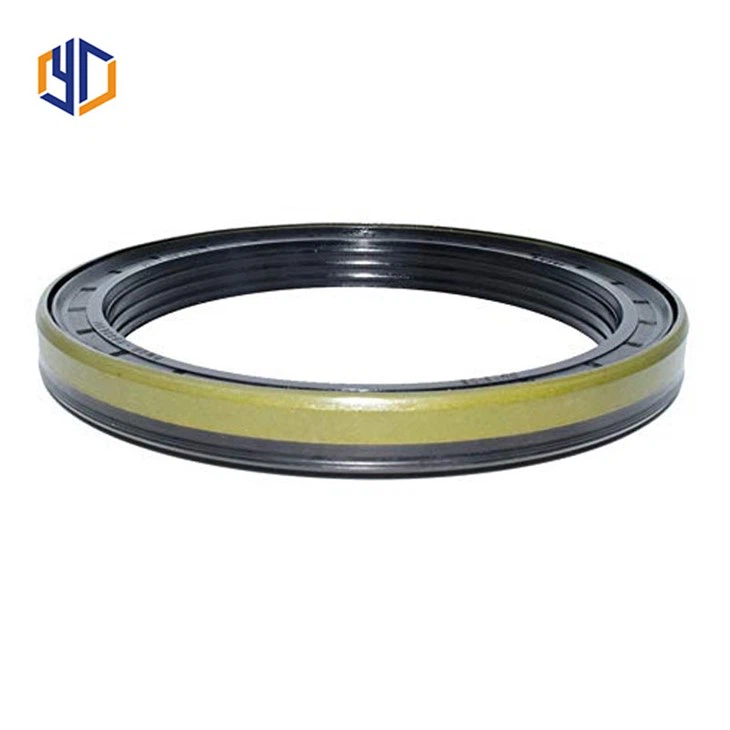
Traditional trailer hub oil seals are typically made of rubber or a combination of rubber and metal. They are installed between the wheel hub and the axle, creating a barrier that keeps the lubricating oil inside the hub and prevents dirt, water, and other contaminants from entering. This is essential for the longevity and performance of the wheel bearings, as any leakage or contamination can lead to premature wear and failure.
The design of these seals has evolved over the years to meet the increasing demands of the trailer industry. Modern seals are more durable, resistant to high temperatures and pressures, and can withstand harsh environmental conditions. They are also designed to be easy to install and replace, reducing downtime and maintenance costs.
Limitations of Traditional Trailer Hub Oil Seals
Despite their many advantages, traditional trailer hub oil seals do have some limitations. One of the main issues is their susceptibility to wear and tear. Over time, the rubber components of the seal can degrade due to exposure to heat, chemicals, and mechanical stress. This can lead to leaks, which not only waste oil but also increase the risk of bearing damage.
Another limitation is their performance in extreme conditions. For example, in very cold or hot environments, the rubber can become brittle or soft, respectively, reducing its sealing effectiveness. Additionally, traditional seals may not be suitable for high-speed applications, as the centrifugal forces can cause the oil to leak past the seal.
Alternatives to Traditional Trailer Hub Oil Seals
1. Lip Seals with Advanced Materials
One alternative to traditional trailer hub oil seals is the use of lip seals made from advanced materials. These materials, such as fluoroelastomers or silicone, offer better resistance to heat, chemicals, and wear compared to traditional rubber. They can also maintain their flexibility over a wider temperature range, making them suitable for use in extreme environments.
For example, fluoroelastomer lip seals are known for their excellent chemical resistance, making them ideal for use in trailers that are exposed to harsh chemicals or solvents. Silicone lip seals, on the other hand, offer good flexibility and low friction, which can help reduce energy consumption and improve the overall efficiency of the trailer. You can find high-quality Wheel Hub Oil Seal with advanced materials on our website.
2. Labyrinth Seals
Labyrinth seals are another alternative to traditional trailer hub oil seals. These seals work by creating a series of曲折 passages that prevent the oil from leaking out and contaminants from entering. Unlike traditional seals, labyrinth seals do not rely on a physical contact between the seal and the shaft, which reduces wear and tear and extends the lifespan of the seal.
Labyrinth seals are particularly suitable for high-speed applications, as they can effectively prevent oil leakage even under high centrifugal forces. They are also less affected by temperature and pressure changes, making them a reliable choice for trailers that operate in extreme conditions. Check out our Truck Wheel Hub Repair Seals section for more information on labyrinth seals.
3. Magnetic Seals
Magnetic seals are a relatively new technology in the field of trailer hub oil seals. These seals use a magnetic field to create a barrier that prevents oil leakage and keeps contaminants out. They are highly effective in preventing leaks, even in high-speed and high-pressure applications.
One of the main advantages of magnetic seals is their long lifespan. Since they do not rely on physical contact between the seal and the shaft, there is no wear and tear, which means they can last much longer than traditional seals. They are also easy to install and maintain, making them a popular choice for many trailer operators. You can explore our Trailer Hub Oil Seal products to find magnetic seals that meet your needs.
Considerations When Choosing an Alternative
When considering alternatives to traditional trailer hub oil seals, there are several factors to keep in mind. First, you need to consider the specific requirements of your trailer, such as the operating conditions, speed, and load. Different alternatives may be more suitable for different applications, so it's important to choose the one that best meets your needs.
Second, you need to consider the cost. While some alternatives may offer better performance and longer lifespan, they may also be more expensive. You need to weigh the benefits against the cost to determine if the investment is worth it.
Finally, you need to consider the availability and compatibility of the alternative seal. Make sure that the seal is readily available and can be easily installed in your trailer's hub. You may also need to consult with a professional to ensure that the seal is compatible with your trailer's existing components.
Conclusion
In conclusion, while traditional trailer hub oil seals have served the industry well for many years, there are several alternatives available that offer improved performance and durability. Whether you choose lip seals with advanced materials, labyrinth seals, or magnetic seals, it's important to carefully consider your specific requirements and choose the option that best meets your needs.

As a supplier of Trailer Hub Oil Seals, we are committed to providing our customers with the highest quality products and the latest technologies. If you are interested in learning more about our products or exploring alternative solutions for your trailer, please feel free to contact us. We look forward to discussing your needs and helping you find the best sealing solution for your trailer.
References
- Automotive Seal Handbook. Society of Automotive Engineers (SAE).
- Sealing Technology for Rotating Equipment. John Wiley & Sons.
- Handbook of Seal Technology. Elsevier.