

Are the installation methods the same for car and truck wheel hub oil seals? This is a question that often comes up among automotive enthusiasts, mechanics, and fleet managers. As a wheel hub oil seal supplier, I've had the opportunity to delve deep into this topic, and in this blog post, I'll share my insights.
Understanding Wheel Hub Oil Seals
Before we compare the installation methods, let's briefly understand what wheel hub oil seals are. Wheel hub oil seals are crucial components in both cars and trucks. Their primary function is to prevent lubricants, such as grease or oil, from leaking out of the wheel hub assembly. At the same time, they keep dirt, water, and other contaminants from entering the assembly, which could cause premature wear and damage to the bearings.

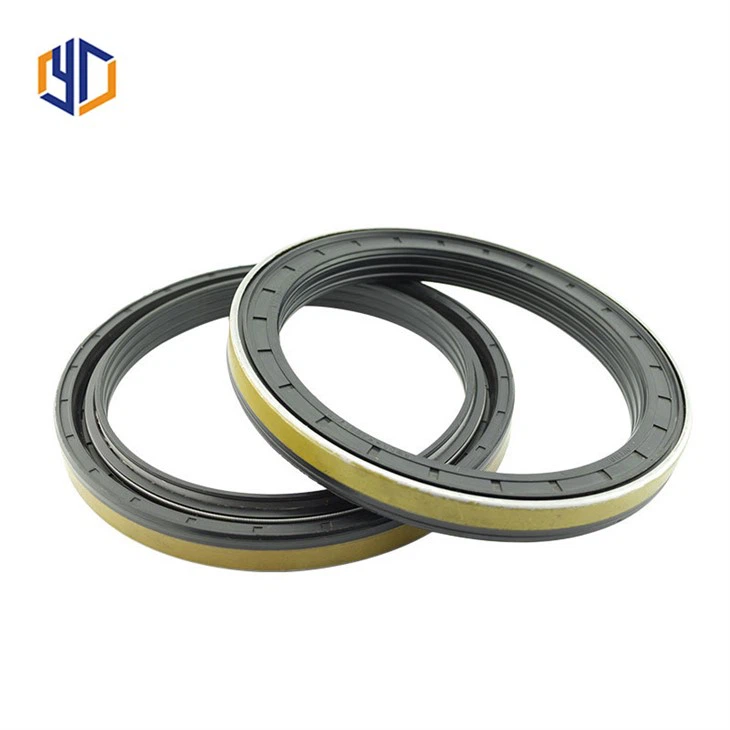
We offer a wide range of wheel hub oil seals, including the Outer Hub Oil Seal and Hub Seals for Toyota Vehicles. Our Wheel Hub Oil Seal is designed to meet the highest industry standards, ensuring optimal performance and durability.
Similarities in Installation
There are several similarities in the installation methods for car and truck wheel hub oil seals.
Preparation
In both cases, proper preparation is essential. This includes ensuring that the work area is clean and well - lit. The wheel, tire, and brake components need to be removed carefully. The wheel hub area should be thoroughly cleaned to remove any dirt, debris, or old seal material. It's also important to inspect the hub bore and the shaft for any signs of damage, such as scratches or grooves, as these can affect the seal's performance.
Seal Lubrication
Lubrication is a common step in both car and truck seal installation. Applying a thin layer of the appropriate lubricant, usually the same type of grease used in the wheel hub, to the sealing lip of the new oil seal helps to prevent damage during installation and ensures a smooth start - up. The lubricant also aids in creating a proper seal and reduces friction between the seal and the shaft.
Alignment
Correct alignment of the oil seal is crucial for both cars and trucks. The seal must be centered properly in the hub bore and aligned with the shaft. This can be achieved using a seal installer tool, which helps to ensure that the seal is installed straight and evenly. Misalignment can lead to premature seal failure, leakage, and increased wear on the seal and other components.
Differences in Installation
Despite the similarities, there are also significant differences in the installation methods for car and truck wheel hub oil seals.
Size and Dimensions
Trucks generally have larger wheel hubs and axles compared to cars. As a result, the wheel hub oil seals for trucks are larger in size and have different dimensions. This means that different tools may be required for installation. For example, a larger seal installer tool may be needed for truck seals, and the force required to press the seal into place is often greater due to the larger size and the more robust construction of truck components.
Load and Stress
Trucks are designed to carry heavy loads, which means that the wheel hub components, including the oil seals, are subjected to much higher levels of stress compared to cars. When installing truck wheel hub oil seals, it's important to ensure that the seal is installed tightly enough to withstand these high loads. In some cases, additional steps may be required, such as using a more durable type of seal or applying a special coating to the seal to enhance its performance under heavy - load conditions.
Complexity of the Assembly
Truck wheel hub assemblies are often more complex than those of cars. They may have additional components, such as multiple bearings, spacers, and locking mechanisms. This complexity can make the installation process more challenging. For example, when installing a truck wheel hub oil seal, it may be necessary to disassemble and reassemble some of these additional components carefully, following the manufacturer's specific instructions.
Best Practices for Installation
Whether you're installing a car or truck wheel hub oil seal, there are some best practices to follow.
Use Quality Seals
Investing in high - quality wheel hub oil seals is essential. As a supplier, we ensure that our seals are made from the best materials and are manufactured to strict quality control standards. Using a low - quality seal may save you money initially, but it can lead to frequent replacements and costly repairs in the long run.
Follow Manufacturer's Instructions
Always follow the manufacturer's installation instructions. These instructions are based on extensive testing and engineering, and they provide the best guidance for proper installation. Ignoring these instructions can result in improper installation, seal failure, and potential safety hazards.
Inspect Regularly
After installation, it's important to inspect the wheel hub oil seals regularly. Look for any signs of leakage, such as oil or grease on the wheel or brake components. Also, check for any abnormal noise or vibration, which could indicate a problem with the seal or other wheel hub components.
Conclusion
In conclusion, while there are some similarities in the installation methods for car and truck wheel hub oil seals, there are also significant differences due to the size, load, and complexity of the components. As a wheel hub oil seal supplier, we understand the unique requirements of both cars and trucks and offer a wide range of seals to meet these needs.
If you're in the market for high - quality wheel hub oil seals or need more information about installation, don't hesitate to contact us for procurement and further discussions. Our team of experts is always ready to assist you in finding the right seal for your vehicle and providing guidance on proper installation.
References
- Automotive Lubrication Handbook, various editions
- Manufacturer's manuals for car and truck wheel hub components