

Hey there! As a supplier of Spot TC Oil Seals, I often get asked whether these seals are easy to replace. Well, let's dive right into it and break down the whole process to find out.
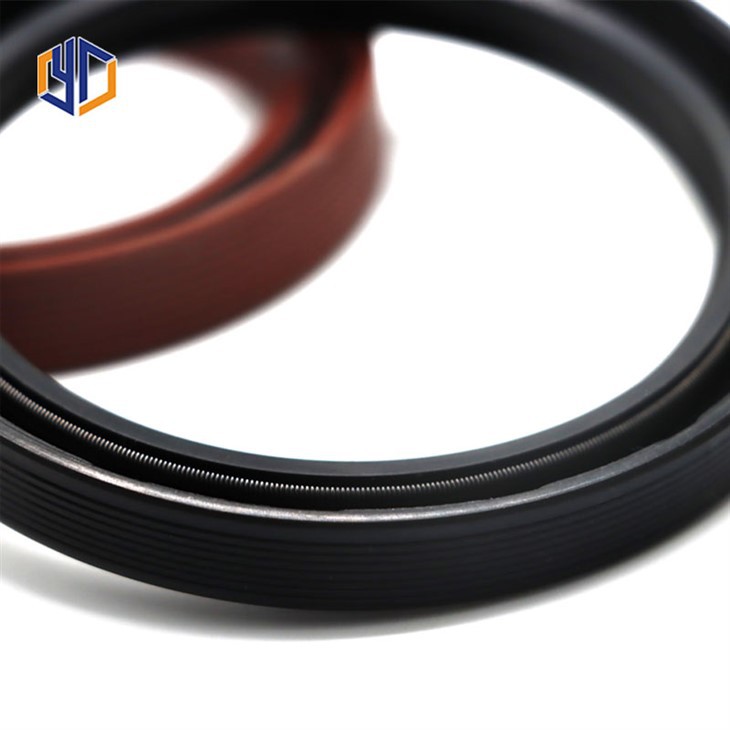
First off, what are Spot TC Oil Seals? They're a type of oil seal that uses a unique design to provide excellent sealing performance. The "TC" stands for "rubber covered outside diameter and spring-loaded lip," which is a fancy way of saying they're built to keep oil in and contaminants out. You can check out more about them on our Spot TC Oil Seal page.
Now, let's talk about the replacement process. One of the great things about Spot TC Oil Seals is that they're designed with replaceability in mind. Unlike some other types of seals that might require specialized tools or a high level of expertise, Spot TC Oil Seals can often be replaced with basic hand tools.
The first step in replacing a Spot TC Oil Seal is to identify the seal that needs to be replaced. This might sound obvious, but in some complex machinery, it can be a bit tricky to find the right seal. Once you've located the seal, you'll need to drain any oil or fluid from the area to prevent spills.
Next, you'll use a seal puller or a flat - head screwdriver to carefully remove the old seal. Be gentle here, as you don't want to damage the surrounding components. If the seal is stuck, you can use a little bit of penetrating oil to loosen it up.
After removing the old seal, it's important to clean the seal housing thoroughly. Any dirt, debris, or old seal material left in the housing can prevent the new seal from seating properly. You can use a clean rag and some solvent to get the housing nice and clean.
Now, it's time to install the new Spot TC Oil Seal. Make sure you have the right size and type of seal for your application. You can refer to our TC NBR Oil Seal page to find the perfect match. Before inserting the new seal, apply a thin layer of oil or grease to the sealing lip. This will help the seal slide into place easily and also provide some initial lubrication.
Using a seal installer or a block of wood, gently tap the new seal into the housing until it's fully seated. Make sure the seal is installed straight and not tilted, as this can cause leaks. Once the seal is in place, you can refill the area with oil or fluid and start up the machinery to check for any leaks.
In most cases, if you follow these steps, replacing a Spot TC Oil Seal is a relatively straightforward process. However, there are a few factors that can make the replacement a bit more challenging.
One factor is the location of the seal. If the seal is in a hard - to - reach area, it can be difficult to get the tools in there and perform the replacement. For example, in some automotive engines, the seals can be tucked away deep inside the engine block, making access a real pain. But don't worry, with a little patience and the right tools, it's still doable. You can learn more about TC seals in automotive applications on our TC for Automotive Seals page.
Another factor is the condition of the surrounding components. If the seal housing is damaged or worn, it can affect the performance of the new seal. In some cases, you might need to repair or replace the housing before installing the new seal. This can add some extra time and cost to the replacement process.
The type of machinery also plays a role. Some industrial equipment might have very specific requirements for seal replacement. For example, in high - pressure hydraulic systems, the seals need to be installed with extreme precision to prevent leaks and ensure proper operation.
Overall, while Spot TC Oil Seals are generally easy to replace, there are some variables that can make the process more difficult. But with the right knowledge, tools, and a bit of elbow grease, you can successfully replace these seals on your own.
If you're in the market for Spot TC Oil Seals or have any questions about the replacement process, I'd love to hear from you. Whether you're a DIY enthusiast looking to replace a seal in your own equipment or a professional in the industry, we're here to help. Just reach out to us, and we can discuss your specific needs and find the best solution for you.

References:
- General knowledge of oil seal technology and replacement processes.
- In - house product information on Spot TC Oil Seals.