

Hey there! As a supplier of NBR O Ring Kits, I often get asked about the flame-retardant performance of these products. In this blog, I'll break down everything you need to know about the flame-retardant capabilities of NBR O Ring Kits, so you can make an informed decision when it comes to your sealing needs.
First off, let's talk about what NBR is. NBR stands for Nitrile Butadiene Rubber, which is a synthetic rubber copolymer made from acrylonitrile (ACN) and butadiene. It's known for its excellent resistance to oil, fuel, and other chemicals, making it a popular choice for a wide range of applications, including automotive, industrial, and marine.
Now, onto the main question: what's the flame-retardant performance of NBR O Ring Kits? Well, the short answer is that standard NBR isn't inherently flame-retardant. But don't worry, there are ways to enhance its flame-retardant properties.
Understanding Flame Retardancy
Flame retardancy refers to a material's ability to resist catching fire and slow down the spread of flames. In many industries, especially those where there's a risk of fire, such as the automotive and aerospace sectors, flame-retardant materials are crucial for safety.
When it comes to NBR O Ring Kits, the flame-retardant performance depends on several factors, including the formulation of the rubber, the additives used, and the manufacturing process.
Flame-Retardant Additives for NBR
To make NBR more flame-resistant, manufacturers often add flame-retardant additives during the compounding process. These additives work in different ways to prevent or slow down the combustion of the rubber.
One common type of flame-retardant additive is halogenated compounds, such as bromine or chlorine. These compounds release halogen radicals when exposed to heat, which react with the free radicals produced during combustion and interrupt the combustion chain reaction. However, halogenated flame retardants have some environmental and health concerns, so there's a growing trend towards using halogen-free alternatives.
Halogen-free flame retardants, such as metal hydroxides (e.g., aluminum hydroxide and magnesium hydroxide), phosphorus compounds, and nitrogen-based compounds, are becoming more popular. These additives work by releasing water vapor or other non-combustible gases when heated, which dilutes the flammable gases and cools the material, thus preventing or slowing down the spread of flames.
Testing the Flame-Retardant Performance
To determine the flame-retardant performance of NBR O Ring Kits, several standard tests are used. One of the most common tests is the UL 94 test, which is a standardized test method for measuring the flammability of plastic materials. The UL 94 test classifies materials into different ratings, such as V-0, V-1, and V-2, based on their ability to self-extinguish after being ignited.
Another test is the ASTM D635 test, which measures the rate of burning and the extent of burning of a material. This test is often used for flexible plastics and rubber materials.
When choosing an NBR O Ring Kit, it's important to look for products that have been tested and certified to meet the relevant flame-retardant standards for your application.
Applications of Flame-Retardant NBR O Ring Kits
Flame-retardant NBR O Ring Kits are used in a variety of applications where fire safety is a concern. Here are some examples:
- Automotive Industry: In vehicles, flame-retardant O rings are used in engine compartments, fuel systems, and electrical systems to prevent the spread of fire in case of a malfunction. Check out our Automotive O Ring Kit for more options.
- Electrical and Electronics: In electronic devices, such as computers, servers, and appliances, flame-retardant O rings are used to seal enclosures and prevent the entry of flammable gases or liquids.
- Aerospace and Aviation: In the aerospace industry, where safety is of utmost importance, flame-retardant O rings are used in aircraft engines, hydraulic systems, and other critical components.
- Industrial Equipment: In industrial settings, such as factories and power plants, flame-retardant O rings are used in pumps, valves, and other equipment to prevent the spread of fire in case of a leak or malfunction.
Customizing NBR O Ring Kits for Flame Retardancy
If you have specific flame-retardant requirements for your application, we offer Custom O Ring Kit services. Our team of experts can work with you to develop a custom formulation of NBR that meets your exact flame-retardant specifications.
We use state-of-the-art manufacturing equipment and processes to ensure that our custom O ring kits are of the highest quality and performance. Whether you need a small batch for a prototype or a large production run, we can accommodate your needs.
Conclusion
In conclusion, while standard NBR isn't inherently flame-retardant, it can be made more flame-resistant through the use of flame-retardant additives. The flame-retardant performance of NBR O Ring Kits depends on the formulation, additives, and manufacturing process, and can be tested using standard methods.
Flame-retardant NBR O Ring Kits are used in a wide range of applications where fire safety is a concern, and we offer custom services to meet your specific requirements.
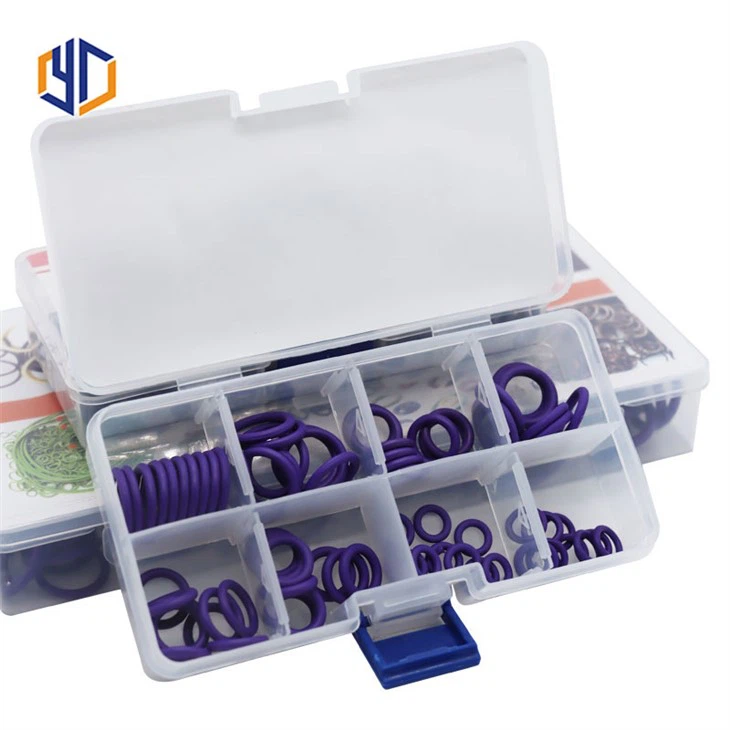
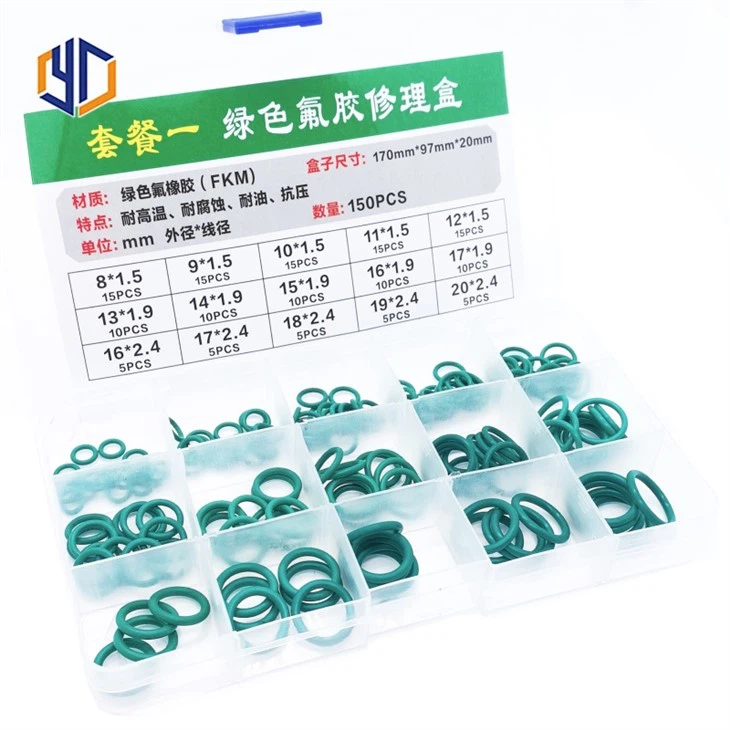
If you're interested in learning more about our NBR O Ring Kit or have any questions about flame retardancy, feel free to reach out to us. We're here to help you find the right sealing solution for your needs.
References
- "Rubber Technology: Compounding, Testing, and Applications" by Michel Noordermeer
- "Handbook of Elastomers" edited by Brian M. Walker and Charles P. Rader