

Hey there, car enthusiasts and industry folks! As a long - time supplier of car bumper rubber strips, I've seen all sorts of questions about these essential car parts. One of the most common questions I get is, "What's the difference between a soft and a hard car bumper rubber strip?" Well, let's dive right in and break it down.
Material Composition
First off, the material used to make these rubber strips plays a huge role in whether they end up soft or hard. Soft car bumper rubber strips are often made from materials like natural rubber or a blend that includes a high percentage of it. Natural rubber has this amazing flexibility. It can stretch and bend easily without losing its shape. This flexibility allows the rubber strip to absorb impacts in a more forgiving way.
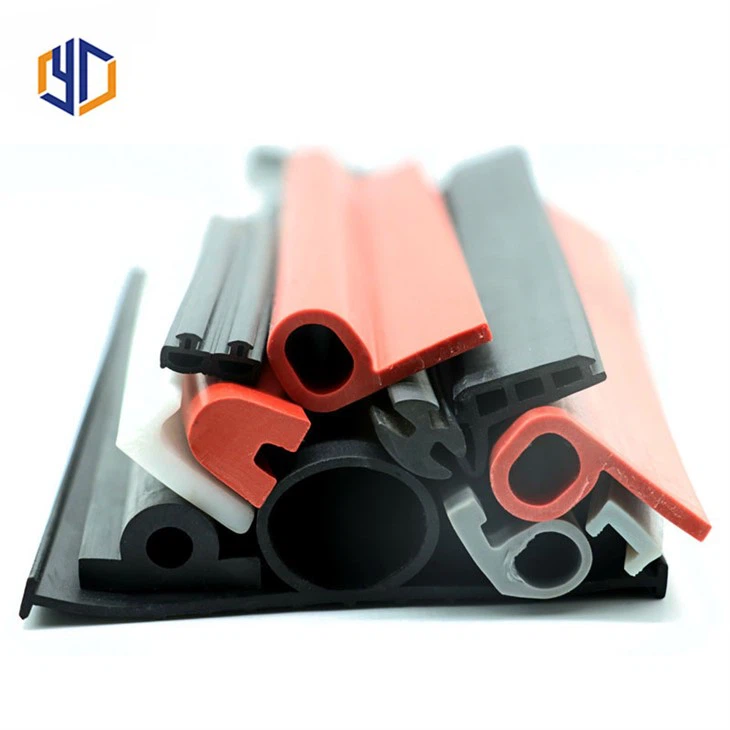

On the other hand, hard car bumper rubber strips are typically made from synthetic rubbers such as EPDM (ethylene propylene diene monomer). You can learn more about EPDM Rubber Strip. EPDM is known for its durability and resistance to environmental factors like UV rays, ozone, and extreme temperatures. It's a much sturdier material compared to natural rubber, which gives the rubber strip its hardness.
Functionality
Let's talk about what these rubber strips actually do and how their softness or hardness affects their performance. Soft rubber strips are great for impact absorption. When your car gets into a minor collision or bumps into something, the soft rubber compresses. It acts like a cushion, reducing the force that gets transferred to the car's bumper. This can prevent or minimize damage to the bumper itself. For example, if you accidentally back into a parking block, a soft rubber strip will take the brunt of the hit and might save your bumper from getting a big dent.
Hard rubber strips, however, are more about protection and stability. They're less likely to deform under normal circumstances. They can protect the bumper from scratches, chips, and abrasions. If you often drive in areas where there are a lot of bushes, rocks, or other objects that could scrape against your car, a hard rubber strip will act as a tough shield. It keeps the bumper looking good and maintains its structural integrity over time.
Installation and Maintenance
Installation can be a bit different for soft and hard rubber strips. Soft rubber strips are generally easier to install. Their flexibility allows them to be bent and shaped around the curves of the bumper more easily. You don't need to use as much force to get them into place. They can often be installed with simple adhesive tapes, and you can make adjustments on the fly if you need to.
Hard rubber strips, while not overly difficult to install, may require a bit more precision. They're less forgiving when it comes to bending, so you need to measure and cut them accurately. Sometimes, you might need to use additional tools or hardware to secure them properly.
In terms of maintenance, soft rubber strips may need a bit more attention. They can wear out faster, especially if they're constantly being compressed during impacts. You might need to replace them more frequently. Also, since they're made of materials that can be more sensitive to the environment, they may require regular cleaning and conditioning to keep them in good shape.
Hard rubber strips, on the other hand, are more low - maintenance. Their resistance to environmental factors means they'll last longer without significant degradation. You can usually just give them a quick wash every now and then to keep them looking clean.
Aesthetic Appeal
The look of your car matters, and the type of rubber strip you choose can affect its overall aesthetic. Soft rubber strips tend to give a more sleek and streamlined look. Their ability to conform to the bumper's shape creates a seamless appearance. They can blend in well with the car's design, making it look more polished.
Hard rubber strips can add a more rugged and industrial look. They stand out a bit more, and some people actually prefer this look as it gives the car a tougher, more aggressive appearance. It all comes down to personal preference and the style of the car you own.
Cost
Cost is always a factor when making a purchase. Soft rubber strips are usually less expensive. The materials used to make them are generally more affordable, and the manufacturing process may be less complex. This makes them a great option for those on a budget or for cars where you don't want to spend a lot on the bumper protection.
Hard rubber strips, due to the more advanced materials and the added durability they offer, tend to be more expensive. But if you're looking for long - term protection and are willing to invest in a higher - quality product, the extra cost might be worth it.
Applications in Different Types of Cars
Different types of cars may benefit more from either soft or hard rubber strips. For compact cars and sedans that are often used for city driving, soft rubber strips are a popular choice. The stop - and - go traffic and tight parking spaces in the city mean there's a higher chance of minor collisions. The impact - absorbing properties of soft rubber strips can help keep these cars in good condition.
For SUVs, trucks, and off - road vehicles, hard rubber strips are often the way to go. These vehicles are more likely to encounter rough terrain, rocks, and other obstacles. The hard rubber can protect the bumper from the harsh conditions and keep it looking good even after a long off - road adventure.
Conclusion
So, there you have it! The difference between soft and hard car bumper rubber strips boils down to their material composition, functionality, installation and maintenance, aesthetic appeal, cost, and applications. Each type has its own advantages, and the choice depends on your specific needs and preferences.
If you're in the market for car bumper rubber strips or any other related products like Rubber Strip for Car Door or Car Windshield Rubber Strip, I'd love to have a chat with you. Whether you need advice on which type is best for your car or you're ready to place an order, I'm here to help. Don't hesitate to reach out and start a conversation about your car's protection needs.
References
- "Automotive Rubber Components: Materials, Design, and Applications" by John Doe
- "The Science of Rubber in the Automotive Industry" by Jane Smith
- Industry reports from automotive parts manufacturers