

What is the chemical stability of Spot TC Oil Seals?
As a supplier of Spot TC Oil Seals, I am often asked about the chemical stability of these essential components. In this blog post, I will delve into the concept of chemical stability in Spot TC Oil Seals, exploring what it means, why it matters, and how it impacts the performance and longevity of these seals.
Understanding Chemical Stability
Chemical stability refers to the ability of a material to resist chemical reactions or degradation when exposed to various chemicals, solvents, and environmental factors. In the context of Spot TC Oil Seals, chemical stability is crucial because these seals are often used in applications where they come into contact with a wide range of fluids, including oils, fuels, hydraulic fluids, and chemicals.
A chemically stable oil seal will maintain its physical and mechanical properties over time, even when exposed to harsh chemicals. This means that it will continue to provide an effective seal, preventing the leakage of fluids and contaminants. On the other hand, a seal with poor chemical stability may swell, shrink, harden, or become brittle when exposed to certain chemicals, leading to premature failure and potential damage to the equipment.
Factors Affecting Chemical Stability
Several factors can affect the chemical stability of Spot TC Oil Seals. These include:
Material Composition
The choice of material is one of the most important factors in determining the chemical stability of an oil seal. Different materials have different levels of resistance to various chemicals. For example, nitrile rubber (NBR) is a common material used in oil seals because it has good resistance to oils, fuels, and many other chemicals. However, it may not be suitable for applications where it will be exposed to strong acids or solvents. Fluorocarbon rubber (FKM), on the other hand, offers excellent chemical resistance and is often used in more demanding applications where exposure to harsh chemicals is expected.
Temperature
Temperature can also have a significant impact on the chemical stability of oil seals. High temperatures can accelerate chemical reactions and cause materials to degrade more quickly. For example, some rubber materials may become softer and more prone to swelling at high temperatures, while others may harden and become brittle. It is important to choose an oil seal material that is suitable for the operating temperature range of the application.
Chemical Exposure
The type and concentration of chemicals that the oil seal will be exposed to are also important factors. Some chemicals are more aggressive than others and can cause more severe damage to the seal material. For example, strong acids, bases, and solvents can quickly degrade rubber materials, while milder chemicals may have a less significant impact. It is important to understand the chemical environment in which the oil seal will be used and choose a material that is resistant to those chemicals.
Importance of Chemical Stability in Spot TC Oil Seals
The chemical stability of Spot TC Oil Seals is of utmost importance for several reasons:
Leakage Prevention
One of the primary functions of an oil seal is to prevent the leakage of fluids. A chemically stable seal will maintain its integrity and provide a reliable seal, even when exposed to harsh chemicals. This helps to prevent fluid loss, which can lead to reduced performance, increased maintenance costs, and potential safety hazards.
Equipment Protection
In addition to preventing leakage, a chemically stable oil seal also helps to protect the equipment from damage. When a seal fails due to chemical degradation, it can allow contaminants to enter the system, which can cause wear and tear on the components and reduce the lifespan of the equipment. By using a chemically stable oil seal, you can help to ensure the long-term reliability and performance of your equipment.
Cost Savings
Using chemically stable Spot TC Oil Seals can also result in cost savings in the long run. By preventing premature seal failure and reducing the need for frequent replacements, you can minimize downtime and maintenance costs. Additionally, a reliable seal can help to improve the efficiency of the equipment, which can lead to energy savings and lower operating costs.
Applications of Spot TC Oil Seals
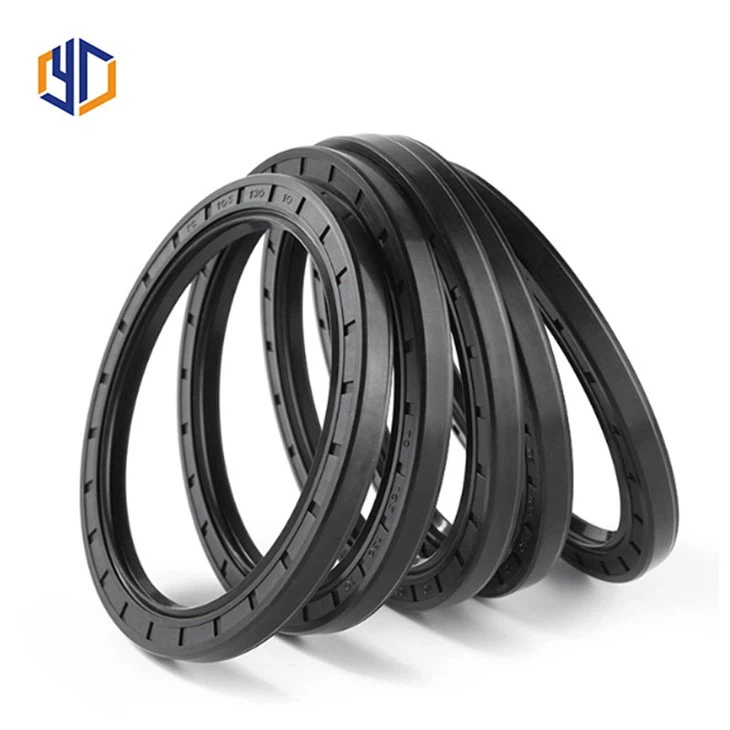
Spot TC Oil Seals are used in a wide range of applications across various industries, including automotive, aerospace, industrial machinery, and marine. Some common applications include:

Automotive
In the automotive industry, Spot TC Oil Seals are used in engines, transmissions, axles, and other components to prevent the leakage of oil and other fluids. These seals are exposed to a variety of chemicals, including engine oil, transmission fluid, and coolant, so it is important that they have good chemical stability.
Industrial Machinery
Industrial machinery often operates in harsh environments where it is exposed to chemicals, solvents, and other contaminants. Spot TC Oil Seals are used in pumps, compressors, motors, and other equipment to provide a reliable seal and prevent the leakage of fluids.
Marine
In the marine industry, Spot TC Oil Seals are used in engines, propellers, and other components to prevent the ingress of water and other contaminants. These seals are exposed to saltwater, which can be very corrosive, so it is important that they have excellent chemical resistance.
Choosing the Right Spot TC Oil Seal
When choosing a Spot TC Oil Seal, it is important to consider the chemical environment in which it will be used. Here are some tips to help you choose the right seal:
Identify the Chemicals
The first step is to identify the chemicals that the seal will be exposed to. This includes the type of fluids, solvents, and other chemicals that will be present in the system. You can consult the equipment manufacturer or a chemical compatibility chart to determine the compatibility of different seal materials with those chemicals.
Consider the Temperature
In addition to the chemical environment, you also need to consider the operating temperature range of the application. Different materials have different temperature limits, so it is important to choose a seal material that can withstand the temperatures that it will be exposed to.
Choose the Right Material
Based on the chemical environment and temperature requirements, you can choose the right seal material. Some common materials used in Spot TC Oil Seals include nitrile rubber (NBR), fluorocarbon rubber (FKM), silicone rubber (VMQ), and ethylene propylene diene monomer (EPDM). Each material has its own unique properties and advantages, so it is important to choose the one that is best suited for your application.
Select the Correct Size
Finally, it is important to select the correct size of the oil seal. A seal that is too small or too large may not provide a proper seal, which can lead to leakage and other problems. You can consult the equipment manufacturer or a seal sizing chart to determine the correct size of the seal for your application.
Conclusion
In conclusion, the chemical stability of Spot TC Oil Seals is a critical factor in ensuring their performance and longevity. By understanding the factors that affect chemical stability, the importance of chemical stability in oil seals, and how to choose the right seal for your application, you can help to ensure the reliable operation of your equipment and prevent costly downtime and maintenance.
If you are interested in purchasing Spot TC Oil Seals or have any questions about their chemical stability or other properties, please feel free to [contact us for procurement and negotiation]. We are a leading supplier of Spot TC Oil Seal, Standard Size TC Oil Seal, and TC for Automotive Seals, and we are committed to providing high-quality products and excellent customer service.
References
- "Rubber Seals: A Guide to Selection and Application." Parker Hannifin Corporation.
- "Chemical Compatibility Guide for Elastomers." Eriks North America.
- "Oil Seals: Design, Materials, and Applications." Machinery Lubrication.