

Hey there! As a supplier of rubber strips, I often get asked about the chemical stability of these nifty little products. So, let's dive right in and break it down.
First off, what exactly do we mean by chemical stability? Well, in simple terms, it's how well a rubber strip can hold up when it comes into contact with different chemicals. You see, rubber strips are used in all sorts of environments, and they're bound to encounter various substances. We need them to stay in good shape and keep doing their job, no matter what they're up against.
There are a bunch of factors that can affect the chemical stability of a rubber strip. One of the biggies is the type of rubber it's made from. There are different kinds out there, like natural rubber, synthetic rubber, and specialty rubbers. Each has its own unique properties and level of resistance to chemicals.
For instance, natural rubber is pretty flexible and has good elasticity. But when it comes to chemical stability, it's not the best. It can be easily attacked by things like oils, solvents, and ozone. On the other hand, synthetic rubbers like EPDM (Ethylene Propylene Diene Monomer) are known for their excellent chemical resistance.
EPDM Rubber Strip is a real star in this department. It can stand up to a wide range of chemicals, including acids, alkalis, and even some solvents. This makes it a top choice for applications where the rubber strip will be exposed to harsh chemicals. For example, in industrial settings where there might be chemical spills or fumes, EPDM rubber strips can keep their integrity and continue to provide a reliable seal.
Another factor that affects chemical stability is the additives used in the rubber. Manufacturers often add things like antioxidants, antiozonants, and plasticizers to improve the performance of the rubber. These additives can help protect the rubber from chemical degradation and extend its lifespan.
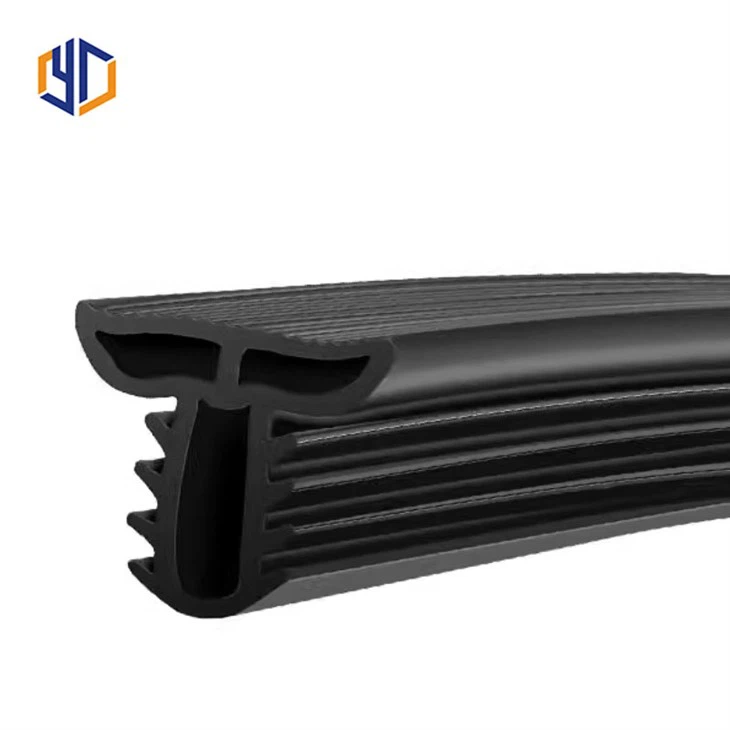

But it's not just about the rubber itself. The environment where the rubber strip is used also plays a huge role. Temperature, humidity, and exposure to sunlight can all have an impact on its chemical stability. High temperatures can speed up chemical reactions, causing the rubber to break down more quickly. And if the rubber is constantly exposed to sunlight, the UV rays can damage its molecular structure.
Let's take a look at some common applications of rubber strips and how chemical stability comes into play. One of the most popular uses is in the automotive industry.
Car Bumper Rubber Strip and Rubber Strip for Car Door are essential for keeping the car's interior protected from the elements. They need to be able to withstand exposure to things like road salts, gasoline, and car wash chemicals. If the rubber strip isn't chemically stable, it can start to crack, shrink, or lose its sealing ability over time. This can lead to water leaks, drafts, and even damage to the car's interior.
In the construction industry, rubber strips are used for sealing windows and doors. They need to be resistant to weathering, including rain, snow, and UV rays. Chemical stability is crucial here because the rubber strip will be exposed to a variety of environmental chemicals, such as pollutants in the air and cleaning agents used on the building.
So, how can you tell if a rubber strip has good chemical stability? Well, one way is to look at the manufacturer's specifications. Reputable suppliers will provide information about the chemical resistance of their products. You can also do some tests yourself. For example, you can expose a small sample of the rubber strip to different chemicals and see how it reacts. If it shows signs of swelling, discoloration, or loss of flexibility, then it might not be very chemically stable.
As a rubber strip supplier, I understand the importance of chemical stability. That's why we offer a wide range of rubber strips made from high-quality materials with excellent chemical resistance. Whether you need a rubber strip for your car, your home, or your industrial equipment, we've got you covered.
If you're in the market for rubber strips and want to learn more about their chemical stability or any other aspect of our products, don't hesitate to reach out. We're here to help you find the right solution for your needs. Just drop us a line, and we'll be happy to have a chat and discuss your requirements.
In conclusion, chemical stability is a key factor to consider when choosing a rubber strip. It can determine how well the rubber strip will perform in different environments and how long it will last. By understanding the factors that affect chemical stability and choosing the right type of rubber strip, you can ensure that your application will be protected and function properly for years to come.
References
- "Rubber Technology: Compounding, Testing, and Applications" by Maurice Morton
- "Handbook of Elastomers" edited by Ian Franta