

Hey there, fellow vehicle enthusiasts! As a hub seal supplier, I've seen my fair share of questions about when the best time to replace a hub seal during vehicle maintenance is. So, I thought I'd share some insights based on my experience in the industry.
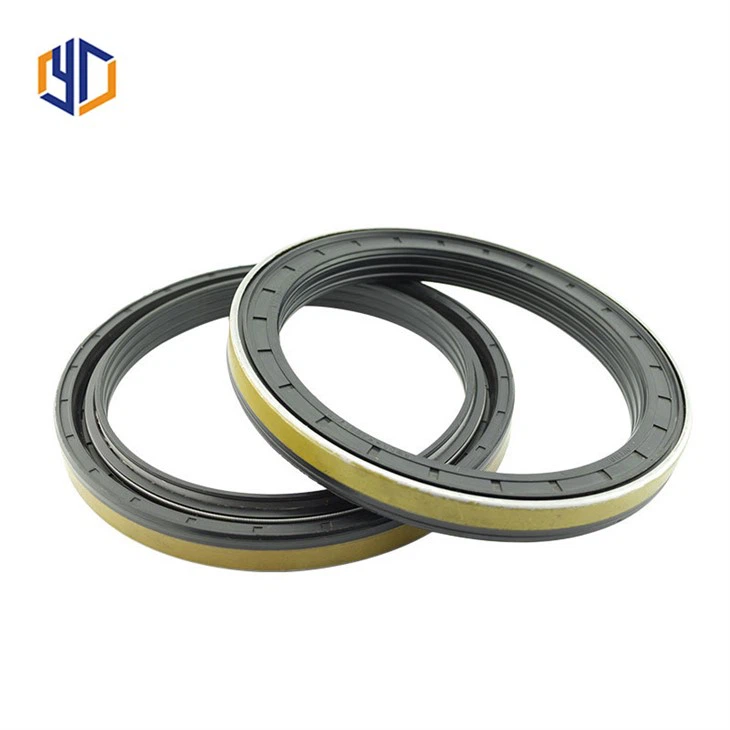
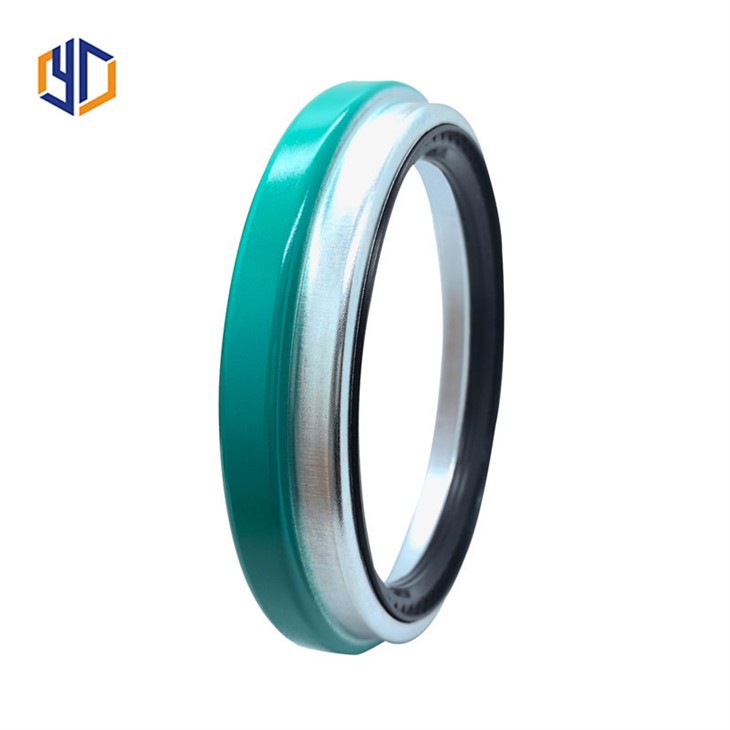
First off, let's talk about what a hub seal actually does. A hub seal is a crucial component in your vehicle's wheel hub assembly. Its main job is to keep lubricant inside the hub and prevent dirt, water, and other contaminants from getting in. This helps to ensure smooth operation of the wheel bearings and extends their lifespan.
Now, when it comes to replacing a hub seal, there's no one - size - fits - all answer. It depends on a few different factors.
1. Mileage and Age
One of the most common indicators is the mileage on your vehicle. As a general rule of thumb, many mechanics recommend checking your hub seals every 50,000 to 70,000 miles. Over time, the rubber in the seal can start to break down due to heat, friction, and normal wear and tear. If you've got an older vehicle, say one that's more than 10 years old, it's a good idea to be extra vigilant. Even if the mileage isn't extremely high, the age of the seal can cause it to lose its effectiveness.
For example, if you've got a daily driver that you use to commute long distances, the hub seals are going to be under more stress compared to a weekend - only vehicle. In this case, you might want to consider replacing the seals a bit earlier, maybe around 40,000 to 50,000 miles.
2. Visual Inspection
Regular visual inspections are super important. You don't need to be a professional mechanic to do this. Just take a look at the area around the wheel hub. If you notice any signs of oil leakage, that's a clear red flag. Oil leaking from the hub indicates that the seal is no longer doing its job properly. You might see oil spots on the inside of the wheel or on the ground where you park your vehicle.
Another thing to look out for is dirt and debris buildup around the hub. If the seal is damaged, it won't be able to keep contaminants out, and you'll start to see a lot of gunk in the area. If the seal looks cracked, torn, or has a distorted shape, it's definitely time for a replacement.
3. Strange Noises
Unusual noises coming from the wheels can also be a sign of a faulty hub seal. If you hear a grinding or humming sound while driving, it could be due to the wheel bearings being damaged. And a bad hub seal can lead to this kind of damage because it allows dirt and moisture to get into the bearings. If you start to notice these noises, don't ignore them. It's best to get the hub seals checked out right away.
4. After a Wheel Bearing Replacement
If you've recently had your wheel bearings replaced, it's a smart move to replace the hub seals at the same time. The process of removing and installing new bearings can put stress on the seals, and there's a risk that they might get damaged. Plus, since you're already in there working on the hub, it makes sense to swap out the seals to ensure everything is in top - notch condition.
Types of Hub Seals
There are different types of hub seals available in the market. For those of you who are looking for high - quality options, check out Wheel Hub Oil Seal. These seals are designed to provide excellent protection for your wheel hubs. If you've got a truck, Truck Wheel Hub Repair Seals are specifically tailored to handle the heavier loads and more demanding conditions that trucks face. And if you own a Toyota vehicle, Hub Seals for Toyota Vehicles are made to fit perfectly and ensure optimal performance.
DIY or Professional Replacement?
Now, some of you might be thinking about replacing the hub seals yourself. It's definitely doable if you've got some basic mechanical skills and the right tools. There are plenty of online tutorials that can guide you through the process. However, if you're not confident in your abilities, it's best to take your vehicle to a professional mechanic. They've got the experience and the proper equipment to do the job right.
Cost - Benefit Analysis
Replacing hub seals is relatively inexpensive compared to the cost of repairing or replacing damaged wheel bearings. A new hub seal typically costs anywhere from $20 to $50 per seal, depending on the make and model of your vehicle. On the other hand, if you let a bad hub seal go unchecked and it leads to bearing damage, you could be looking at a bill of several hundred dollars or more. So, it's definitely worth investing in timely hub seal replacement.
Seasonal Considerations
Believe it or not, the season can also play a role in when you should replace your hub seals. If you live in an area with harsh winters, the cold temperatures can cause the rubber in the seals to become more brittle. This makes them more prone to cracking. So, if you're approaching winter and you've got a vehicle that's due for a seal check, it's a good idea to get it done before the cold weather sets in.
Conversely, in the summer, the high temperatures can cause the oil in the hub to expand, putting more pressure on the seals. If you've been doing a lot of long - distance driving in the heat, it might be a good time to inspect the seals.
Conclusion
So, to sum it all up, the best time to replace a hub seal depends on a combination of factors including mileage, age, visual inspection, and any signs of trouble like oil leakage or strange noises. Regular maintenance and inspections are key to catching potential problems early.
If you're in the market for high - quality hub seals, we've got you covered. Whether you need Wheel Hub Oil Seal, Truck Wheel Hub Repair Seals, or Hub Seals for Toyota Vehicles, we can provide you with the right products for your vehicle.
If you're interested in learning more or want to discuss your specific needs, don't hesitate to reach out. We're here to help you keep your vehicle running smoothly.
References
- Chilton's Auto Repair Manuals
- Haynes Automotive Manuals
- Popular Mechanics Magazine articles on vehicle maintenance