

Hey there, fellow car enthusiasts and automotive professionals! As a supplier of automotive plastic clips, I often get asked a pretty interesting question: "How can you prevent automotive plastic clips from rusting, even though they're plastic?" It might sound a bit odd at first, but there's more to it than meets the eye. In this blog post, I'm going to break down the reasons behind potential issues that might seem like rust on plastic clips and share some practical tips on how to keep them in top-notch condition.
First off, let's clear up a common misconception. Plastic, by its very nature, doesn't rust. Rust is a chemical process that occurs when iron or steel reacts with oxygen and water, forming iron oxide. Since plastic doesn't contain iron, it can't rust. However, there are several factors that can make plastic clips look like they're rusting or cause them to deteriorate over time.
One of the main culprits is environmental exposure. Plastic clips are often exposed to harsh conditions, such as extreme temperatures, UV rays, and moisture. Over time, these elements can cause the plastic to break down, become brittle, and change color. For example, prolonged exposure to sunlight can cause the plastic to fade or develop a yellowish tint, which might be mistaken for rust. Similarly, constant exposure to moisture can lead to the growth of mold or mildew on the surface of the clips, giving them a dirty, discolored appearance.
Another factor that can affect the lifespan of plastic clips is chemical exposure. Automotive fluids, such as oil, gasoline, and coolant, can be corrosive to plastic. If these fluids come into contact with the clips, they can cause the plastic to swell, crack, or dissolve. Additionally, cleaning products that contain harsh chemicals can also damage the plastic. It's important to use only mild, plastic-safe cleaners when cleaning your car's interior and exterior.
So, how can you prevent these issues and keep your automotive plastic clips looking and functioning like new? Here are some tips:
1. Choose High-Quality Clips
The first step in preventing problems with your plastic clips is to choose high-quality products. As a supplier, I know that not all plastic clips are created equal. Cheaper, low-quality clips are more likely to break down and deteriorate over time. Look for clips that are made from high-grade plastic materials, such as nylon or polypropylene, which are known for their durability and resistance to environmental factors.
2. Protect the Clips from the Elements
One of the best ways to prevent damage to your plastic clips is to protect them from the elements. If possible, park your car in a garage or covered area to shield it from direct sunlight, rain, and snow. If you don't have access to a garage, consider using a car cover to protect your vehicle. Additionally, you can apply a UV protectant spray to the clips to help prevent them from fading or becoming brittle due to sun exposure.
3. Avoid Chemical Exposure
As mentioned earlier, chemical exposure can be a major cause of damage to plastic clips. To avoid this, be careful when handling automotive fluids and cleaning products. Make sure to wear gloves and protective eyewear when working with these substances, and avoid getting them on the clips. If you do accidentally spill a fluid on a clip, clean it off immediately with a mild, plastic-safe cleaner.
4. Clean the Clips Regularly
Regular cleaning is essential for maintaining the appearance and functionality of your plastic clips. Use a soft, damp cloth and a mild, plastic-safe cleaner to wipe down the clips. Avoid using abrasive sponges or brushes, as these can scratch the surface of the plastic. You can also use a toothbrush to clean hard-to-reach areas. After cleaning, dry the clips thoroughly to prevent the growth of mold or mildew.
5. Inspect the Clips Regularly
Finally, it's important to inspect your plastic clips regularly for signs of damage or wear. Look for cracks, breaks, or discoloration, and replace any clips that are damaged or worn out. By catching problems early, you can prevent further damage and ensure that your car's interior and exterior components stay securely in place.
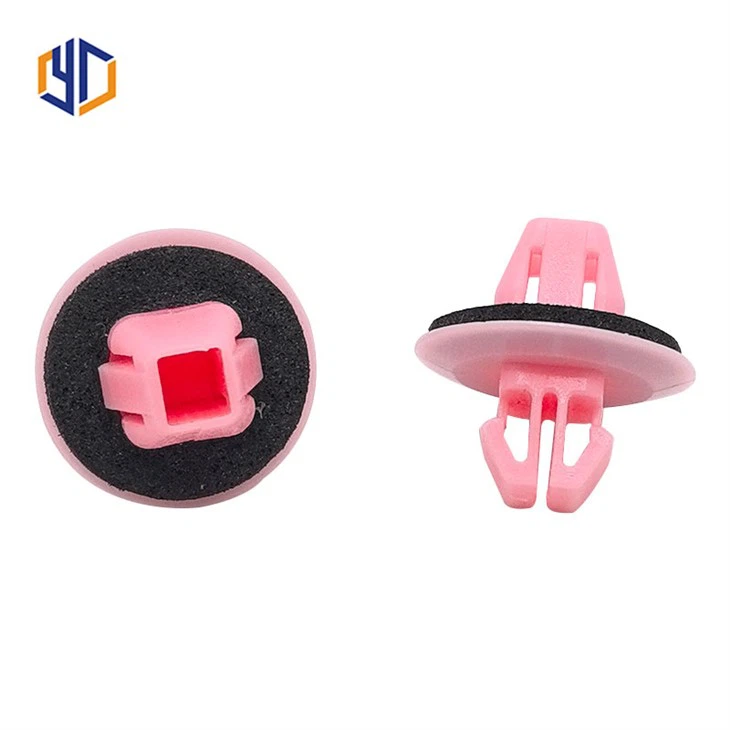

Now, let's take a look at some specific types of automotive plastic clips and how to care for them:
Bumper Door Trim Panel Fastener Clip
The Bumper Door Trim Panel Fastener Clip is used to secure the bumper and door trim panels in place. These clips are often exposed to the elements, so it's important to protect them from moisture and UV rays. Make sure to clean them regularly and inspect them for signs of damage. If a clip is loose or broken, replace it immediately to prevent the trim panel from coming loose.
Engine Cover Clip
The Engine Cover Clip is used to hold the engine cover in place. These clips are exposed to high temperatures and engine fluids, so they need to be made from heat-resistant and chemical-resistant plastic. When cleaning the engine compartment, be careful not to get any fluids on the clips. If a clip is damaged or worn out, replace it to ensure that the engine cover stays securely in place.
Plastic Rivets Fastener Clips
Plastic Rivets Fastener Clips are commonly used to secure various components in the car, such as interior panels, carpets, and wiring harnesses. These clips are relatively small and can be easily overlooked, but they play an important role in keeping your car's interior components in place. Make sure to inspect them regularly for signs of damage or wear, and replace any clips that are loose or broken.
In conclusion, while plastic clips don't rust, they can still be affected by environmental factors, chemical exposure, and wear and tear. By following the tips outlined in this blog post, you can prevent damage to your automotive plastic clips and keep them looking and functioning like new. As a supplier of high-quality automotive plastic clips, I'm here to help you find the right products for your needs. If you're interested in purchasing automotive plastic clips or have any questions, please don't hesitate to contact me for a quote or to discuss your requirements.
References
- "Automotive Plastics: Properties, Processing, and Applications" by John Murphy
- "Plastic Materials and Their Properties" by David A. Bassett
- "Handbook of Plastics, Elastomers, and Composites" by Charles A. Harper