

As a supplier of Car Bumper Rubber Strips, I've encountered numerous customers facing the common issue of rubber strips coming off car bumpers. This problem not only affects the aesthetic appeal of the vehicle but also compromises the protective function of the rubber strip. In this blog, I'll share some effective methods to secure a car bumper rubber strip that keeps coming off.
Understanding the Reasons
Before we delve into the solutions, it's crucial to understand why the rubber strip might be coming off. There are several possible factors:
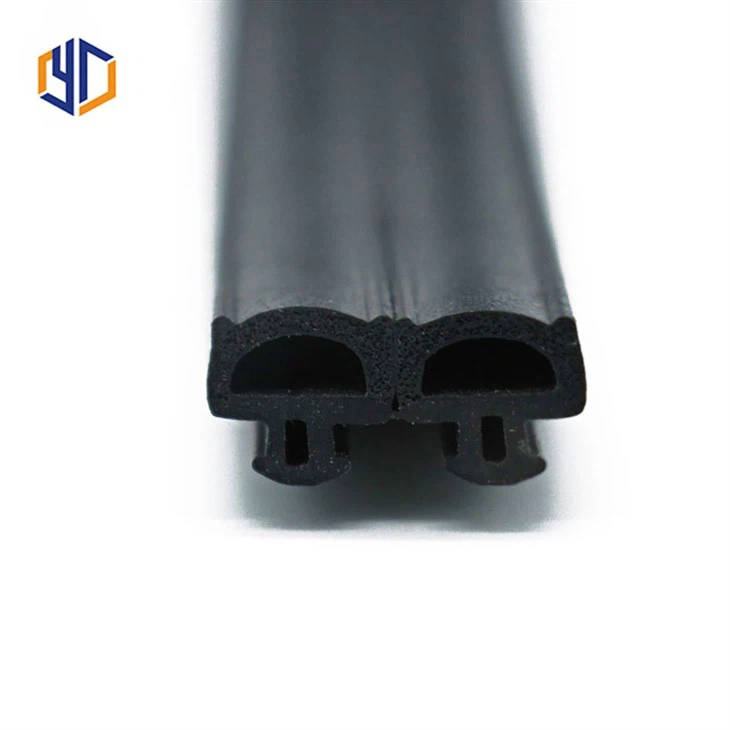

- Poor Adhesion: During the initial installation, if the surface of the bumper was not properly cleaned or the adhesive used was of low quality, the rubber strip may not bond securely.
- Environmental Factors: Extreme temperatures, UV exposure, and moisture can cause the adhesive to degrade over time, leading to the rubber strip detaching.
- Physical Damage: Regular impacts from minor collisions, road debris, or even improper car washing can loosen the rubber strip.
Pre - Installation Preparation
To ensure a long - lasting bond, proper preparation is essential.
- Clean the Bumper Surface: Use a high - quality automotive cleaner to remove dirt, grease, wax, and any other contaminants from the area where the rubber strip will be installed. A clean surface is crucial for the adhesive to work effectively. After cleaning, dry the area thoroughly with a clean microfiber cloth.
- Choose the Right Adhesive: Select an adhesive that is specifically designed for automotive applications and can withstand the environmental conditions your vehicle is likely to encounter. Make sure it has good temperature resistance and strong bonding properties.
Installation Methods
Using Adhesive
- Apply the Adhesive: If the rubber strip comes with a pre - applied adhesive backing, carefully remove the protective film. If not, apply a thin, even layer of adhesive to both the back of the rubber strip and the bumper surface. Follow the manufacturer's instructions regarding the application method and drying time.
- Position the Rubber Strip: Align the rubber strip precisely with the desired position on the bumper. Start from one end and gradually press the strip onto the bumper, ensuring that there are no air bubbles trapped underneath. Use a roller or a squeegee to apply even pressure along the length of the strip, helping to create a strong bond.
- Let it Cure: Allow the adhesive to fully cure according to the manufacturer's recommended time. During this period, avoid driving the vehicle or exposing the bumper to extreme conditions.
Using Clips or Fasteners
- Select Suitable Clips or Fasteners: Depending on the design of your rubber strip and bumper, choose clips or fasteners that are compatible. Some rubber strips come with pre - drilled holes for easy installation of clips.
- Install the Clips or Fasteners: Attach the clips or fasteners to the rubber strip first, and then position the strip on the bumper. Secure the clips or fasteners to the bumper using the appropriate tools, such as a screwdriver or a rivet gun. Make sure they are tightened properly to prevent the strip from coming loose.
Maintenance Tips
Once the rubber strip is securely installed, proper maintenance can help prolong its lifespan and prevent it from coming off again.
- Regular Cleaning: Clean the rubber strip and the bumper regularly using a mild automotive cleaner. Avoid using harsh chemicals or abrasive materials that could damage the rubber or the adhesive.
- Protect from UV Exposure: When possible, park your vehicle in a shaded area or use a car cover to protect the rubber strip from prolonged UV exposure. UV rays can cause the rubber to deteriorate and the adhesive to weaken over time.
- Inspect for Damage: Periodically inspect the rubber strip for any signs of damage, such as cracks, tears, or loose sections. If you notice any issues, address them promptly to prevent further problems.
Our Product Offerings
As a Car Bumper Rubber Strip supplier, we offer a wide range of high - quality rubber strips that are designed to meet the diverse needs of our customers. Our EPDM Rubber Strip is made from ethylene propylene diene monomer (EPDM), a synthetic rubber known for its excellent weather resistance, durability, and flexibility. It can withstand extreme temperatures, UV radiation, and moisture, making it an ideal choice for car bumper applications.
In addition, we also provide rubber strip for door gap and Rubber Strip On Top Of Car. These products are carefully engineered to provide a perfect fit and reliable performance, ensuring the protection and aesthetics of your vehicle.
Conclusion
Securing a car bumper rubber strip that keeps coming off requires proper installation, high - quality materials, and regular maintenance. By following the methods and tips outlined in this blog, you can ensure that your rubber strip stays in place and continues to provide the protection and aesthetic appeal your vehicle deserves.
If you are interested in our Car Bumper Rubber Strips or other rubber strip products, please feel free to contact us for more information and to discuss your specific requirements. We are committed to providing you with the best solutions and excellent customer service.
References
- Automotive Adhesive Manufacturer's Guides
- Rubber Material Properties and Applications Literature