

As a supplier of Spot TC Oil Seals, I often encounter questions from customers regarding the maintenance requirements of these seals. In this blog post, I'll delve into the topic to provide a comprehensive understanding of whether Spot TC Oil Seals need maintenance and how to ensure their optimal performance.
Understanding Spot TC Oil Seals
Before discussing maintenance, it's essential to understand what Spot TC Oil Seals are. Spot TC Oil Seals are a type of mechanical seal designed to prevent the leakage of fluids, typically oil, in various industrial and automotive applications. They are characterized by their unique design, which includes a metal case, a rubber sealing lip, and a garter spring that provides the necessary radial force for sealing.
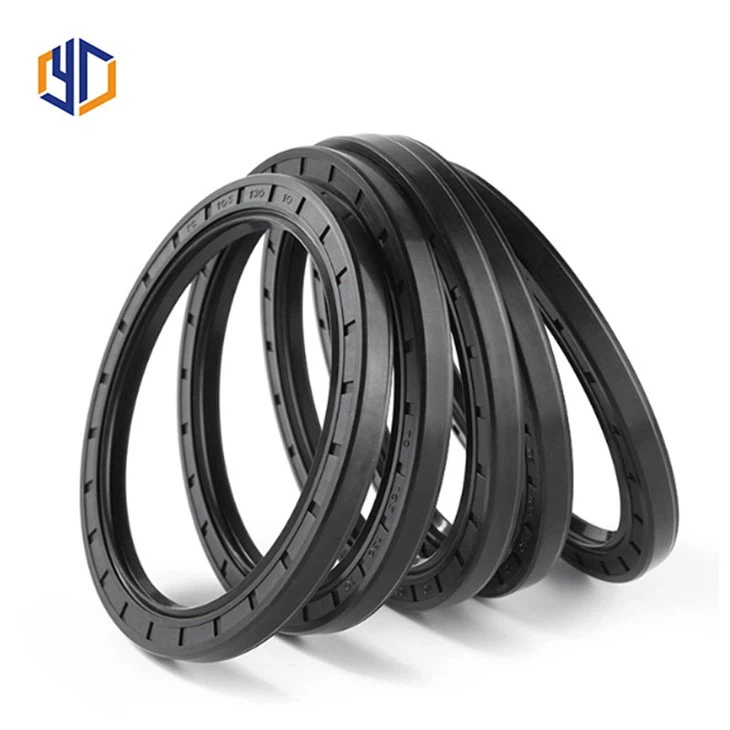

These seals are used in a wide range of equipment, such as engines, gearboxes, pumps, and hydraulic systems. Their ability to maintain a tight seal under different operating conditions makes them a popular choice for many industries. For more information about Spot TC Oil Seals, you can visit Spot TC Oil Seal.
Do Spot TC Oil Seals Require Maintenance?
The short answer is that Spot TC Oil Seals are designed to be low - maintenance components. They are engineered to provide long - term sealing performance with minimal intervention. However, this doesn't mean that they are completely maintenance - free.
Factors Affecting Maintenance Requirements
-
Operating Conditions
- Temperature: Extreme temperatures can have a significant impact on the performance of Spot TC Oil Seals. High temperatures can cause the rubber sealing lip to harden and lose its elasticity, while low temperatures can make it brittle. In applications where the temperature fluctuates widely, more frequent inspections may be required.
- Pressure: Excessive pressure can cause the seal to deform or fail. If the system operates at high pressures, it's important to ensure that the seal is rated for the specific pressure conditions. Regular checks for signs of pressure - related damage, such as seal extrusion, are advisable.
- Contamination: The presence of dirt, dust, and other contaminants in the operating environment can accelerate the wear of the seal. In dirty or dusty conditions, the seal may need to be inspected more often to prevent premature failure.
-
Application Type
- Automotive Applications: In automotive engines and transmissions, Spot TC Oil Seals are exposed to a variety of fluids, including engine oil, transmission fluid, and coolant. The constant movement and vibration in automotive applications can also put additional stress on the seals. As a result, periodic inspections during routine vehicle maintenance are recommended. For more details on TC for automotive seals, you can refer to TC for Automotive Seals.
- Industrial Applications: Industrial equipment, such as pumps and compressors, may operate continuously for long periods. The high - speed rotation and heavy loads in these applications can cause wear on the seals. Regular monitoring of the equipment's performance and visual inspections of the seals can help detect any potential issues early.
Maintenance Practices for Spot TC Oil Seals
Although Spot TC Oil Seals are low - maintenance, following some basic maintenance practices can extend their service life and ensure reliable performance.
Visual Inspections
Regular visual inspections are the simplest and most effective way to monitor the condition of Spot TC Oil Seals. Look for signs of wear, such as cracks, cuts, or abrasions on the rubber sealing lip. Check for any signs of oil leakage around the seal. If you notice any of these issues, it may be time to replace the seal.
Cleaning
In dirty or contaminated environments, cleaning the seals periodically can help remove any debris that may be causing wear. Use a mild, non - abrasive cleaner and a soft cloth to gently clean the seal. Avoid using harsh chemicals or solvents, as they can damage the rubber material.
Lubrication
Proper lubrication is essential for the smooth operation of Spot TC Oil Seals. The lubricant not only reduces friction between the seal and the shaft but also helps to prevent the seal from drying out. Make sure to use the appropriate lubricant recommended by the seal manufacturer.
Replacement
Even with proper maintenance, Spot TC Oil Seals will eventually wear out. It's important to have a replacement schedule based on the manufacturer's recommendations and the actual operating conditions. When replacing the seal, ensure that the new seal is the correct size and type for the application. You can find a wide range of standard - sized TC oil seals at Standard Size TC Oil Seal.
Benefits of Proper Maintenance
- Extended Service Life: By following the recommended maintenance practices, you can significantly extend the service life of Spot TC Oil Seals. This reduces the frequency of seal replacements, which in turn lowers the overall maintenance costs.
- Improved Performance: Well - maintained seals provide better sealing performance, which helps to prevent fluid leakage and maintain the efficiency of the equipment. This can lead to improved productivity and reduced downtime.
- Cost Savings: Preventing premature seal failure through proper maintenance can save you money in the long run. The cost of replacing a failed seal is often much higher than the cost of regular maintenance.
Conclusion
In conclusion, while Spot TC Oil Seals are designed to be low - maintenance, they do require some level of attention to ensure optimal performance. By understanding the factors that affect their maintenance requirements and following the recommended maintenance practices, you can extend their service life and avoid costly breakdowns.
If you're in the market for high - quality Spot TC Oil Seals or have any questions about their maintenance, feel free to reach out. We're here to help you find the right sealing solutions for your specific applications. Contact us today to start a procurement discussion and get the best value for your investment.
References
- Manufacturer's documentation for Spot TC Oil Seals
- Industry standards and guidelines for mechanical seals
- Technical literature on seal materials and applications