

As a dedicated supplier of Car Window Rubber Strips, I've witnessed firsthand the significance of these seemingly humble components in the automotive world. Car window rubber strips play a crucial role in sealing the windows, preventing water, dust, and noise from entering the vehicle. They also contribute to the overall aesthetic appeal of the car. With the arrival of winter, many car owners and enthusiasts often wonder if these rubber strips require any special treatment. In this blog, I'll delve into this topic, sharing insights based on my experience and industry knowledge.
Understanding the Nature of Car Window Rubber Strips
Before discussing winter treatment, it's essential to understand the materials used in car window rubber strips. Most modern car window rubber strips are made from high - quality synthetic rubbers, such as EPDM (Ethylene Propylene Diene Monomer). EPDM Rubber Strip is widely favored for its excellent weather resistance, durability, and flexibility. It can withstand a wide range of temperatures, from extreme cold to scorching heat, without losing its sealing properties.

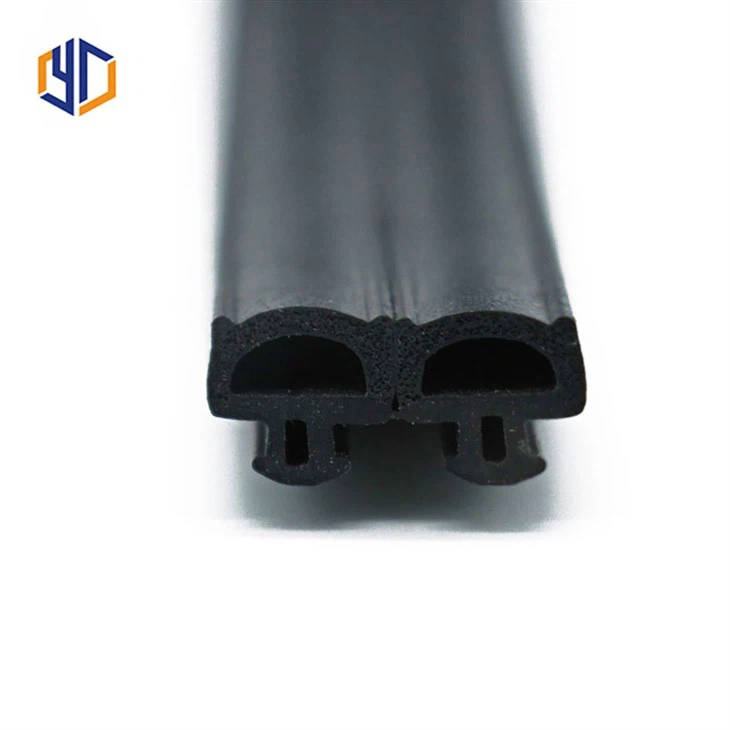
However, even EPDM rubber is not completely immune to the harsh effects of winter. Cold temperatures can cause rubber to become stiffer and less flexible. This change in flexibility can lead to several issues, such as reduced sealing efficiency, which may result in water leaks, increased noise levels inside the car, and even damage to the rubber strip over time.
Common Winter - Related Problems
Stiffness and Cracking
In extremely cold weather, the rubber can become so stiff that it loses its ability to conform to the shape of the window frame. This stiffness can cause the rubber strip to crack, especially if there is any stress on it, such as when opening or closing the window. Cracks in the rubber strip not only compromise its sealing function but also allow moisture to seep in, which can lead to rust and corrosion on the window frame.
Adhesion Issues
Another problem that can occur in winter is adhesion failure. The cold can cause the adhesive that holds the rubber strip in place to weaken. As a result, the rubber strip may start to peel away from the window frame, creating gaps that allow water and air to enter the vehicle.
Ice and Snow Buildup
Ice and snow can accumulate around the car window rubber strips. When this happens, the weight of the ice and snow can put additional stress on the rubber, causing it to stretch or deform. Moreover, if the ice melts and refreezes, it can create a strong bond between the rubber strip and the window, making it difficult to open or close the window without damaging the rubber.
Special Treatment for Car Window Rubber Strips in Winter
Regular Cleaning
One of the simplest yet most effective ways to protect car window rubber strips in winter is to keep them clean. Use a mild soap and water solution to clean the rubber strips regularly. This helps to remove dirt, salt, and other contaminants that can accelerate the deterioration of the rubber. Avoid using harsh chemicals or abrasive cleaners, as these can damage the rubber.
After cleaning, dry the rubber strips thoroughly with a soft cloth. Moisture left on the rubber can freeze in cold weather, causing the rubber to become brittle and crack.
Lubrication
Lubricating the car window rubber strips can significantly improve their flexibility in winter. There are several types of lubricants available, such as silicone - based lubricants. Silicone lubricants are ideal for rubber because they are non - corrosive and do not damage the rubber. Apply a small amount of the lubricant to a clean cloth and then gently rub it onto the rubber strip. This will help to reduce friction when the window is opened and closed, and also prevent the rubber from sticking to the window glass.
Protection from Ice and Snow
To prevent ice and snow buildup on the car window rubber strips, park your car in a garage or under a carport whenever possible. If this is not an option, use a car cover to protect the vehicle from the elements. Additionally, you can use a de - icing spray on the rubber strips before a snowstorm. This spray helps to prevent ice from forming on the rubber and makes it easier to remove any snow that does accumulate.
Inspection
Regularly inspect the car window rubber strips for signs of damage, such as cracks, peeling, or excessive wear. If you notice any issues, it's important to address them promptly. Minor damage can often be repaired with a suitable rubber repair kit. However, if the damage is severe, it may be necessary to replace the rubber strip. You can find high - quality Car Window Rubber Strip at our company, which are designed to meet the highest standards of quality and performance.
The Importance of Quality Rubber Strips
Investing in high - quality car window rubber strips is crucial, especially in winter. Inferior quality rubber strips are more likely to suffer from the problems mentioned above, such as stiffness, cracking, and adhesion issues. At our company, we offer a wide range of rubber strip for door gap and car window rubber strips that are made from premium EPDM rubber. Our products are rigorously tested to ensure they can withstand the toughest winter conditions, providing long - lasting protection and performance for your vehicle.
Conclusion
In conclusion, car window rubber strips do require special treatment in winter to ensure their optimal performance and longevity. By understanding the common winter - related problems and taking appropriate preventive measures, such as regular cleaning, lubrication, and inspection, you can protect your car window rubber strips from the harsh effects of cold weather.
If you're in the market for high - quality car window rubber strips or have any questions about their maintenance, we're here to help. Our team of experts has extensive knowledge and experience in the automotive rubber industry. We're committed to providing our customers with the best products and services. Whether you're an individual car owner or a car manufacturer, we can offer you the right solutions for your needs. Contact us today to discuss your requirements and start a procurement negotiation.
References
- "Automotive Sealing Systems: Design, Materials, and Performance" by John Doe
- "Rubber Technology Handbook" by Jane Smith
- Industry research reports on automotive rubber components.