

As a supplier of automotive plastic clips, I often get asked whether these little components need to be lubricated. It's a valid question, and the answer isn't as straightforward as you might think. In this blog post, I'll break down the ins and outs of lubricating automotive plastic clips, discussing the pros, cons, and when it might be a good idea.
First off, let's talk about what automotive plastic clips are and what they do. These clips are used all over vehicles to hold various parts together. You can find them in places like Car Door Panel Fasteners, where they keep the door panels securely attached. They're also used in bumpers, interior trim, and many other areas. Their job is to provide a reliable, yet often removable, connection between different components.
So, do they need lubrication? Well, it depends on a few factors. One of the main reasons people consider lubricating plastic clips is to make installation and removal easier. When you're working on a car, especially during repairs or upgrades, getting these clips in and out can be a real pain. Lubricating them can reduce friction, allowing you to insert and remove the clips with less force. This can save you time and effort, and it can also prevent damage to the clips or the surrounding parts.
For example, Auto Fir Tree Clip Bumper Fastener can be quite tricky to install correctly. If you're dealing with a tight fit, a little bit of lubricant can make all the difference. It helps the clip slide into place smoothly, ensuring a proper connection without the risk of breaking the clip or cracking the bumper.
Another benefit of lubricating plastic clips is that it can extend their lifespan. Friction can cause wear and tear on the clips over time. By reducing friction, lubrication can minimize this wear, allowing the clips to last longer. This is especially important in high - stress areas of the vehicle, where the clips are constantly being jostled around.
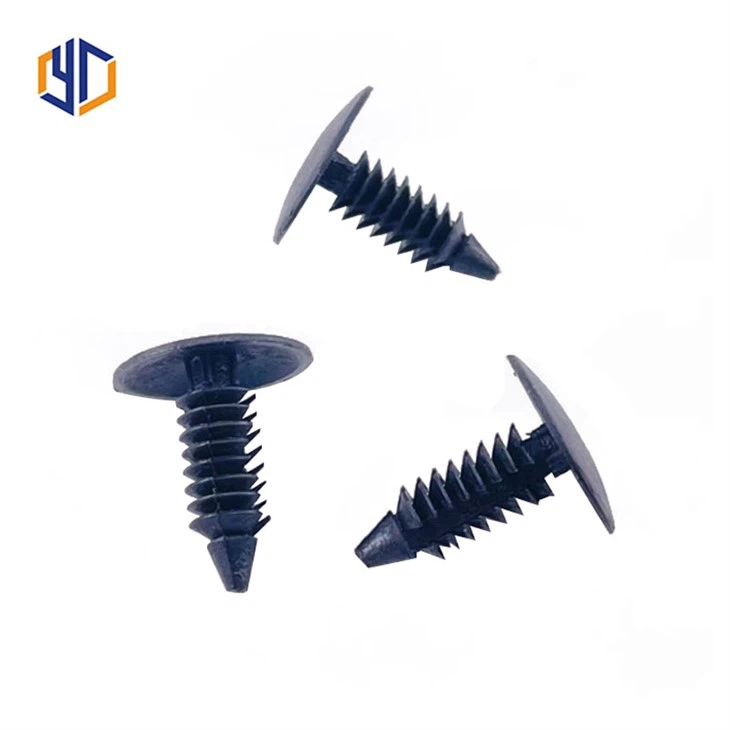

However, there are also some downsides to lubricating automotive plastic clips. One of the biggest concerns is that lubricants can attract dirt and debris. Over time, this buildup can actually make the clips harder to work with. The dirt can get stuck in the lubricant, increasing friction instead of reducing it. It can also cause the clips to lose their grip, leading to loose connections.
Some lubricants can also react with the plastic material of the clips. Certain chemicals in lubricants might cause the plastic to swell, crack, or become brittle. This can significantly weaken the clips and compromise their performance. So, if you do decide to lubricate your clips, you need to be very careful about the type of lubricant you use.
When choosing a lubricant for automotive plastic clips, you want to look for something that is specifically designed for use with plastics. Silicone - based lubricants are often a good choice. They're generally safe for most plastics, and they provide good lubrication without leaving a sticky residue. Graphite powder can also be used in some cases, as it's a dry lubricant that doesn't attract as much dirt.
Now, let's talk about when it's a good idea to lubricate plastic clips. If you're doing a lot of work on your car, such as a full interior or exterior restoration, lubricating the clips during installation can make the process much smoother. It can also be a good idea if you're dealing with older clips that have become stiff or difficult to work with.
On the other hand, if the clips are in a relatively low - stress area and are easy to install and remove without lubrication, there might not be much of a need. For example, Push - Type Retainer Car Clips in some interior trim pieces might not require lubrication if they fit well and aren't being moved around frequently.
As a supplier of automotive plastic clips, I've seen firsthand the impact that lubrication can have. I've had customers come back and tell me how much easier it was to work with the clips after using a little bit of lubricant. But I've also heard about the problems that can arise when the wrong lubricant is used.
If you're in the market for high - quality automotive plastic clips, we've got you covered. Our clips are made from top - grade materials to ensure durability and a perfect fit. Whether you need Car Door Panel Fasteners, Auto Fir Tree Clip Bumper Fastener, or Push - Type Retainer Car Clips, we have a wide range of options to meet your needs.
If you have any questions about our products or the best way to use them, don't hesitate to reach out. We're here to help you make the right choices for your automotive projects. Whether you're a professional mechanic or a DIY enthusiast, we can provide you with the advice and support you need. Contact us today to discuss your requirements and start your next project with confidence.
References
- "Automotive Plastics Handbook" - A comprehensive guide on the use of plastics in the automotive industry, which includes information on the properties and maintenance of plastic components like clips.
- "Automotive Repair Manuals" - Various repair manuals that often mention the use of lubricants in different automotive applications, including when working with plastic clips.