

Can a rubber strip be used outdoors? That's a question I get asked a lot as a rubber strip supplier. And the answer is a resounding yes! But, like with anything, there are some things you need to consider before using a rubber strip outdoors.
First off, let's talk about what makes a rubber strip suitable for outdoor use. The key factor here is the type of rubber. Not all rubbers are created equal, and some are better suited to the harsh conditions of the great outdoors than others.

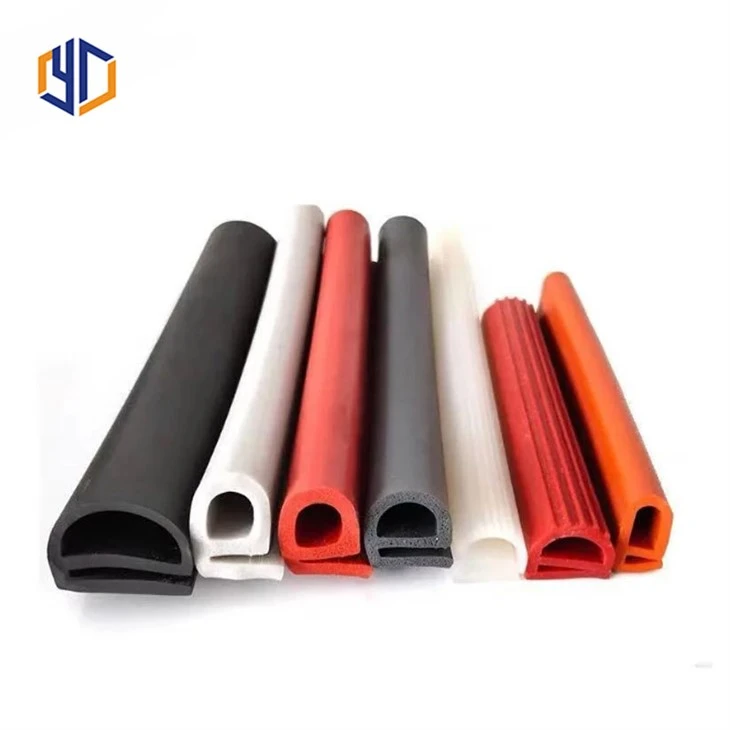
One of the best types of rubber for outdoor applications is EPDM. EPDM stands for Ethylene Propylene Diene Monomer, which is a mouthful, but it basically means that this rubber is super durable and resistant to a whole bunch of things that can damage other types of rubber. EPDM Rubber Strip is resistant to UV rays, ozone, and extreme temperatures. This means that it won't crack, fade, or break down easily when exposed to the sun, rain, or cold.
I've seen EPDM rubber strips used in all sorts of outdoor settings. For example, they're great for sealing gaps around windows and doors in buildings. They can keep out drafts, water, and pests, which can save you a lot of money on energy bills and prevent damage to your property. EPDM rubber strips are also commonly used in outdoor furniture, like patio chairs and tables. They can provide a cushioning effect and protect the furniture from scratches and wear.
Another popular outdoor use for rubber strips is in the automotive industry. Car Windshield Rubber Strip and Rubber Strip for Car Door are essential for keeping the interior of your car dry and quiet. These rubber strips are designed to withstand the constant exposure to the elements, such as rain, snow, and sunlight. They also need to be flexible enough to seal the gaps between the windshield or door and the car body, even when the car is moving.
But it's not just about the type of rubber. The quality of the rubber strip also matters. A high - quality rubber strip will have better resistance to wear and tear, and it will last longer. When you're looking for a rubber strip for outdoor use, make sure to choose one from a reputable supplier. Look for a strip that has a smooth surface, no visible defects, and a consistent thickness.
Installation is another important aspect. If a rubber strip isn't installed correctly, it won't perform as well, even if it's made of the best rubber. You need to make sure that the surface where you're installing the rubber strip is clean, dry, and free of any debris. Some rubber strips come with an adhesive backing, which makes installation a lot easier. But if you're using a strip without adhesive, you may need to use a suitable adhesive or fasteners to secure it in place.
Now, let's talk about some of the challenges you might face when using a rubber strip outdoors. One of the main challenges is the growth of mold and mildew. Rubber can provide a suitable environment for mold and mildew to grow, especially in damp and humid conditions. To prevent this, you can choose a rubber strip that has been treated with an anti - microbial agent. You can also clean the rubber strip regularly with a mild detergent and water to keep it free of dirt and moisture.
Another challenge is the impact of chemicals. Outdoor rubber strips may be exposed to chemicals like fertilizers, pesticides, and cleaning agents. Some of these chemicals can damage the rubber, causing it to become brittle or lose its elasticity. If you know that your rubber strip will be exposed to chemicals, make sure to choose a rubber that is resistant to them.
In conclusion, rubber strips can definitely be used outdoors, and they offer a lot of benefits. Whether you're looking to seal a window, protect your car, or add some cushioning to your outdoor furniture, there's a rubber strip out there that can do the job. As a rubber strip supplier, I've seen firsthand how these versatile products can enhance the functionality and durability of outdoor structures and equipment.
If you're interested in purchasing rubber strips for your outdoor projects, I'd love to have a chat with you. We can discuss your specific needs, the best type of rubber for your application, and the installation process. Don't hesitate to reach out and start the conversation. I'm here to help you find the perfect rubber strip solution for your outdoor needs.
References
- Various industry reports on rubber materials and their outdoor applications
- Case studies on the use of EPDM rubber in outdoor settings
- Manufacturer's specifications for different types of rubber strips