

Can a rubber strip be used in railway applications? Well, that's a question I've been asked quite a bit lately, especially since I'm a supplier of all sorts of rubber strips. Let me break it down for you.
First off, what are rubber strips anyway? They're basically long, thin pieces of rubber that come in various shapes, sizes, and materials. You've got your EPDM Rubber Strip, which is made from ethylene propylene diene monomer rubber. This type is known for its excellent weather resistance, ozone resistance, and heat stability. Then there are other types like silicone rubber strips, neoprene rubber strips, and more.
Now, let's talk about railway applications. Railways are a complex system that requires a whole bunch of different components to work together smoothly. From the tracks themselves to the trains that run on them, every part plays a crucial role. So, where could a rubber strip fit in?
One of the main areas where rubber strips can be used in railways is for sealing. Trains need to be well - sealed to keep out things like dust, water, and noise. For example, around the doors and windows of passenger carriages, rubber strips can act as a barrier. A rubber strip for door gap can be adjusted in a similar way to railway carriage doors. It can prevent drafts from coming in, which not only makes the journey more comfortable for passengers but also helps with energy efficiency. If the train is better sealed, the heating and cooling systems don't have to work as hard.
Another important application is vibration and noise reduction. Trains generate a lot of vibrations and noise as they move along the tracks. Rubber strips can be used as shock absorbers. They can be placed between different parts of the train, like the wheels and the axles or between the carriages. By absorbing some of the vibrations, rubber strips can reduce the wear and tear on the train's components. This means less maintenance and longer - lasting parts. And of course, a quieter ride is always a plus for passengers.
In terms of the tracks, rubber strips can also play a role. They can be used to seal the joints between the track sections. This helps to prevent water from seeping in and causing corrosion. Corrosion can weaken the tracks over time, which is a serious safety hazard. By using rubber strips to seal the joints, we can extend the lifespan of the tracks and ensure a safer railway system.
Now, let's address some of the concerns people might have about using rubber strips in railway applications. One of the biggest concerns is durability. Railways are a tough environment. The rubber strips will be exposed to extreme temperatures, UV rays, and mechanical stress. But here's the thing - with the right type of rubber, durability isn't a huge issue. For example, EPDM rubber strips are designed to withstand harsh conditions. They can resist cracking and degradation over time, even when exposed to the elements.
Cost is another factor. Some people might think that using rubber strips in railways could be expensive. But when you consider the long - term benefits, like reduced maintenance costs and extended lifespan of components, it actually makes a lot of sense. In the grand scheme of things, the initial investment in high - quality rubber strips can save a lot of money in the long run.
Another aspect we need to consider is fire safety. Railways have strict fire safety regulations. Rubber strips need to be made from materials that are fire - resistant. Many modern rubber compounds can be formulated to meet these requirements. So, as long as we choose the right rubber and follow the proper manufacturing processes, fire safety shouldn't be a problem.

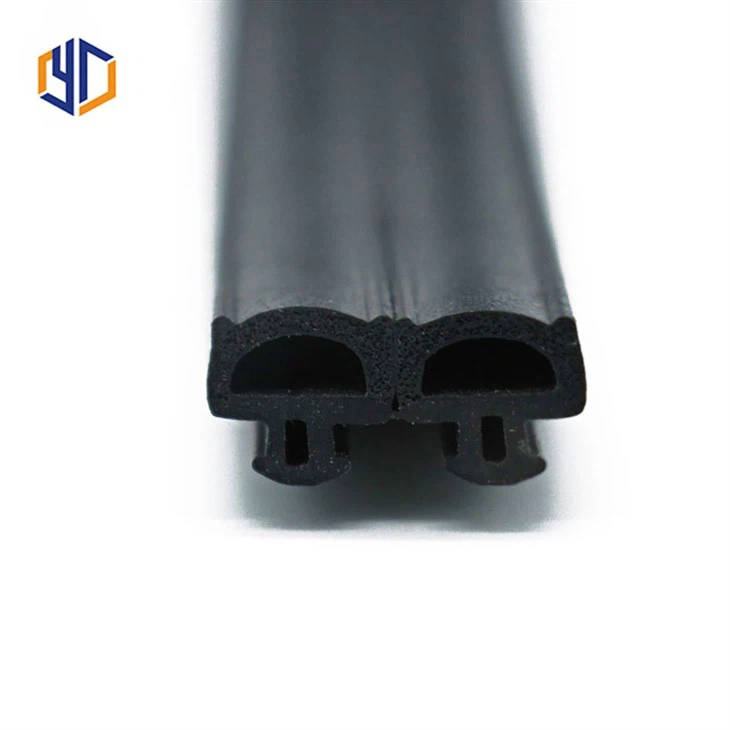
I've also been asked about the Car Window Rubber Strip and how it relates to railway applications. While car window rubber strips are designed for cars, the principle of sealing and providing a barrier is similar. The technology and materials used in car window rubber strips can sometimes be adapted for railway applications. For example, the way they are designed to fit snugly and provide a good seal can be applied to railway carriage windows as well.
In the railway industry, innovation is key. As we look for new ways to make trains more efficient, comfortable, and safe, rubber strips are definitely a part of the solution. And as a rubber strip supplier, I'm always on the lookout for new applications and ways to improve the products we offer.
If you're in the railway business and are interested in using rubber strips for your applications, I'd love to have a chat with you. Whether you need rubber strips for sealing, vibration reduction, or any other purpose, we've got a wide range of products to choose from. We can work together to find the right type of rubber strip that meets your specific requirements. So, don't hesitate to reach out and start a conversation about how we can make your railway operations even better.
In conclusion, rubber strips can definitely be used in railway applications. They offer a range of benefits from sealing and vibration reduction to extending the lifespan of components. With the right type of rubber and proper design, they can meet the strict requirements of the railway industry. So, if you're involved in railways, it's definitely worth considering rubber strips as part of your solution.
References
- Railway Engineering Handbook, various editions
- Rubber Technology and Applications, industry - specific publications
- Fire Safety Standards in the Railway Industry, official regulatory documents