

Are Spot TC Oil Seals Environmentally Friendly?
As a supplier of Spot TC Oil Seals, I've often been asked about the environmental friendliness of our products. In an era where environmental concerns are at the forefront of many industries, it's crucial to understand how our offerings fit into the broader context of sustainability. This blog post aims to delve into the environmental aspects of Spot TC Oil Seals, exploring their manufacturing processes, materials, and overall impact on the environment.
Manufacturing Processes
The manufacturing of Spot TC Oil Seals involves several steps, each with its own environmental implications. One of the primary concerns in any manufacturing process is energy consumption. Our production facilities are equipped with state - of - the - art machinery that has been designed to optimize energy use. We have implemented energy management systems that monitor and control energy consumption during different stages of production. For example, the vulcanization process, which is a critical step in seal production, uses advanced heating systems that are highly efficient, reducing the overall energy footprint.
Another aspect of the manufacturing process is waste generation. We have a comprehensive waste management program in place. During the production of Spot TC Oil Seals, there is some waste material generated, such as excess rubber and scrap metal. However, we have established recycling initiatives to ensure that a significant portion of this waste is reused. The rubber waste can be recycled and used in the production of other rubber products, while the scrap metal can be sent to recycling facilities to be melted down and reused in the manufacturing of new components.
Materials Used
The materials used in Spot TC Oil Seals play a vital role in determining their environmental friendliness. The main material for the sealing lip is usually rubber, which can have different environmental impacts depending on its type. We primarily use synthetic rubbers in our Spot TC Oil Seals, such as nitrile rubber (NBR) and fluorocarbon rubber (FKM).
Nitrile rubber is known for its excellent oil resistance and durability. It is a widely used material in the sealing industry. From an environmental perspective, NBR is relatively stable and has a long service life. This means that the seals made from NBR do not need to be replaced frequently, reducing the overall consumption of materials. Additionally, NBR can be recycled to some extent, which further enhances its environmental credentials.
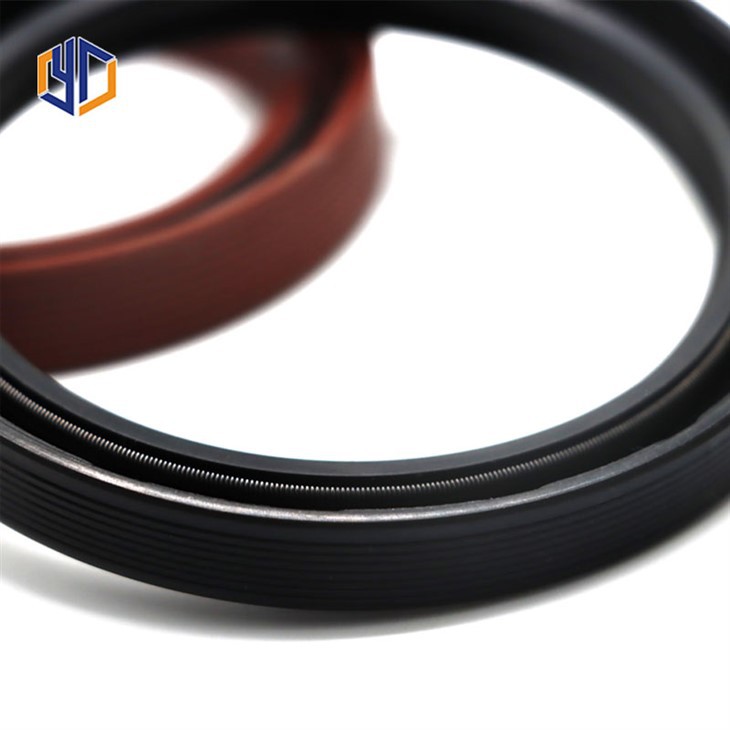

Fluorocarbon rubber, on the other hand, offers superior chemical resistance and high - temperature performance. While FKM is more expensive than NBR, it also has a longer lifespan in harsh operating conditions. This extended service life reduces the need for frequent replacements, which in turn reduces waste generation. However, the production of FKM does require more energy and resources compared to NBR. To mitigate this, we are constantly researching and exploring more sustainable ways to produce FKM, such as using alternative raw materials and more energy - efficient manufacturing processes.
In addition to the rubber, Spot TC Oil Seals also have a metal casing. We source our metal materials from suppliers who adhere to strict environmental standards. The metals used are often steel or stainless steel, which are highly recyclable. By using recyclable metals, we ensure that at the end of the seal's life cycle, the metal components can be easily recycled and reused.
Environmental Impact during Use
One of the key environmental benefits of Spot TC Oil Seals is their ability to prevent leakage. In automotive and industrial applications, oil leakage can have a significant environmental impact. Leaked oil can contaminate soil and water sources, harming the ecosystem. Spot TC Oil Seals are designed with precision to provide a tight seal, minimizing the risk of oil leakage.
For example, in automotive engines, a well - functioning Spot TC Oil Seal ensures that the engine oil remains within the system, reducing the chances of oil spills on the road. This not only helps to protect the environment but also improves the overall efficiency of the engine. In industrial machinery, preventing oil leakage means that the machinery can operate more smoothly, reducing the need for frequent maintenance and replacement of components, which in turn reduces waste generation.
Comparing with Other Sealing Solutions
When compared to other types of oil seals, Spot TC Oil Seals have several environmental advantages. For instance, some traditional oil seals may have a shorter service life, which means they need to be replaced more frequently. This leads to increased waste generation and higher consumption of materials. In contrast, Spot TC Oil Seals are designed for long - term use, reducing the overall environmental impact associated with frequent replacements.
Another advantage is the precision engineering of Spot TC Oil Seals. Their design allows for a better seal, which reduces the amount of oil that needs to be used in the system. This not only saves resources but also reduces the risk of oil leakage. Some other sealing solutions may not be as effective in preventing leakage, leading to more oil being used and potentially leaked into the environment.
Our Commitment to Sustainability
As a supplier of Spot TC Oil Seals, we are committed to continuous improvement in terms of environmental sustainability. We invest in research and development to find more sustainable materials and manufacturing processes. We also work closely with our suppliers to ensure that they meet our environmental standards.
We are also actively involved in environmental initiatives and certifications. We are in the process of obtaining relevant environmental certifications, such as ISO 14001, which is an international standard for environmental management systems. This certification will demonstrate our commitment to minimizing our environmental impact and operating in an environmentally responsible manner.
Conclusion
In conclusion, Spot TC Oil Seals can be considered environmentally friendly. Their manufacturing processes are designed to minimize energy consumption and waste generation, and the materials used are either recyclable or have a long service life. During use, they prevent oil leakage, which has a positive impact on the environment. Compared to other sealing solutions, Spot TC Oil Seals offer better performance and lower environmental impact.
If you are interested in learning more about our Spot TC Oil Seal products, or if you are looking for an environmentally friendly sealing solution for your automotive or industrial applications, we encourage you to reach out to us. We also offer TC for Automotive Seals and Standard Size TC Oil Seal options to meet your specific needs. Contact us today to start a discussion about your sealing requirements and how our products can contribute to a more sustainable future.
References
- ISO 14001:2015 Environmental management systems - Requirements with guidance for use.
- Rubber Manufacturers Association (RMA) reports on rubber recycling and sustainability.
- Industry research on the environmental impact of oil leakage in automotive and industrial applications.