

Hey there! I'm a supplier of Car Interior Nylon Clip. One question that often pops up from my customers is, "Are car interior nylon clips resistant to mold?" Well, let's dig into this topic and find out.
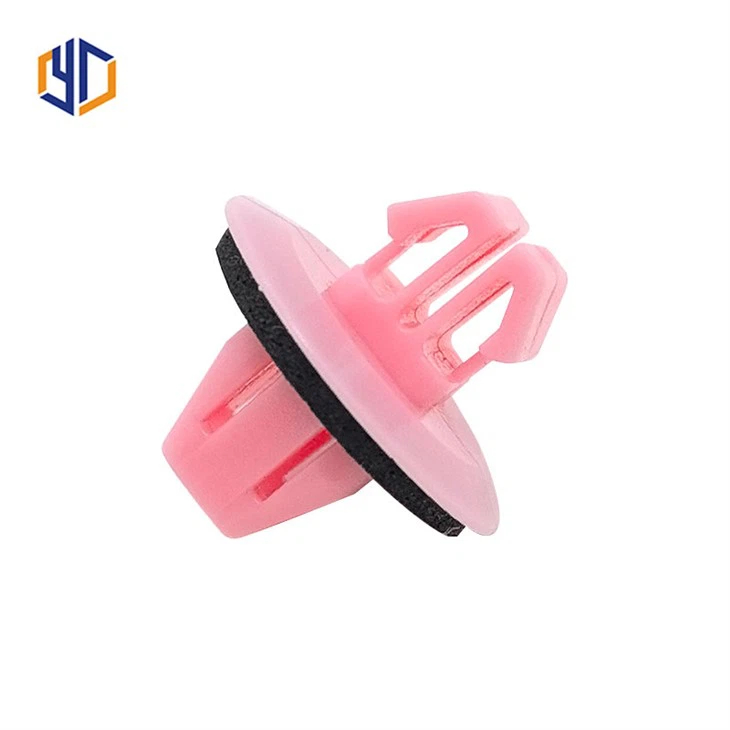
First off, let's talk a bit about these Car Interior Nylon Clip. They're super handy little things used all over the inside of cars. You'll find them in dashboards, door panels, and pretty much anywhere you need to fasten parts together. They're made from nylon, which is a type of plastic known for its strength and flexibility.
Now, when it comes to mold, it's a real pain in the neck. Mold loves damp, dark places, and it can grow on all sorts of materials. So, can it grow on our car interior nylon clips?
Understanding Mold Growth
Mold is a type of fungus. It spreads through tiny spores that float around in the air. When these spores land on a surface that has the right conditions - like moisture, warmth, and a food source - they start to grow. For most materials, the food source can be organic matter like dirt, dust, or even small bits of fabric.
In a car interior, there are plenty of places where moisture can build up. Maybe you left your window cracked during a rainstorm, or you spilled a drink and didn't clean it up properly. All that moisture can create a perfect environment for mold to grow.
The Properties of Nylon
Nylon is a synthetic material. It's made through a chemical process and doesn't have the same organic components as natural materials like wood or cotton. This means that, on its own, nylon doesn't provide a food source for mold.
However, just because nylon doesn't have the food source doesn't mean it's completely immune to mold. If there's a lot of dirt, dust, or other organic matter on the surface of the nylon clip, mold can use that as a food source and start to grow around the clip.
Factors Affecting Mold Resistance
- Cleanliness: As I mentioned, if the clips are dirty, mold has a better chance of growing. Regular cleaning of your car interior can go a long way in preventing mold growth. Use a mild cleaner and a soft cloth to wipe down the clips and remove any dirt or dust.
- Moisture: Keeping the car interior dry is crucial. If there's a leak in your car, get it fixed as soon as possible. You can also use a dehumidifier in your car, especially if you live in a humid climate.
- Ventilation: Good ventilation helps to reduce moisture in the car. Open your windows regularly to let fresh air in and allow any dampness to escape.
Testing the Mold Resistance of Nylon Clips
At our company, we've done some tests to see how well our Car Interior Nylon Clip resist mold. We exposed the clips to a high - humidity environment for several weeks, along with some other common car interior materials.
What we found was that the nylon clips held up pretty well. There was very little mold growth on the clips themselves, especially compared to materials like fabric or foam. However, when there was a lot of dirt on the clips, we did notice some mold starting to grow around the edges.
Comparing with Other Fasteners
Let's compare nylon clips with some other types of fasteners used in car interiors, like Car Door Panel Fasteners and Plastic Rivets Fastener Clips.
- Metal Fasteners: Metal fasteners can rust when exposed to moisture. Rust can create a rough surface where dirt and moisture can collect, providing a breeding ground for mold. In contrast, nylon clips don't rust and are generally more resistant to the effects of moisture.
- Plastic Rivets: Just like nylon clips, plastic rivets are made from synthetic materials. However, the type of plastic used in rivets can vary. Some plastics may be more porous than nylon, which means they can absorb more moisture and are potentially more prone to mold growth.
Tips for Maintaining Nylon Clips
- Regular Inspection: Check your car interior regularly for any signs of moisture or mold. Look closely at the nylon clips and make sure they're clean.
- Proper Installation: Make sure the clips are installed correctly. A loose clip can trap moisture and dirt, increasing the risk of mold growth.
- Use of Protective Coatings: There are some protective coatings available that can be applied to nylon clips. These coatings can help to repel moisture and make the clips even more resistant to mold.
Real - World Experiences
I've talked to a lot of our customers over the years, and many of them have had positive experiences with our nylon clips. One customer told me that he lives in a very humid area and has had his car for several years. He said that he's never had any mold problems with the nylon clips in his car, even though he's had some issues with mold growing on other parts of the interior.
Another customer mentioned that she spilled a coffee on her car seat, and the area around the nylon clips got wet. She quickly cleaned it up, and there was no sign of mold growth on the clips.
Conclusion
So, are car interior nylon clips resistant to mold? The answer is yes, to a large extent. Nylon, on its own, doesn't provide a food source for mold, and with proper care and maintenance, the risk of mold growth on the clips is very low.
However, it's important to remember that no material is completely immune to mold. Regular cleaning, keeping the car interior dry, and proper ventilation are all key factors in preventing mold growth.
If you're in the market for high - quality, mold - resistant Car Interior Nylon Clip, we're here to help. Whether you're a car manufacturer, a mechanic, or just someone looking to replace some clips in your own car, we've got a wide range of products to meet your needs. Contact us to start a procurement discussion and find the perfect clips for your project.

References
- ASTM International. "Standard Test Methods for Determining the Resistance of Synthetic Polymeric Materials to Fungi."
- Journal of Applied Polymer Science. "Mold Growth on Synthetic Materials: A Review."